



Michigan cannabis industry: Copper mine secrets revealed
The Michigan cannabis industry is buzzing with fresh energy as old copper mines get a modern overhaul for cultivation. As regulations evolve and new players enter the scene, major developments like this reshape how people see cannabis in Michigan. Historic sites are being transformed into thriving grow operations, mixing past and present. In this piece, we dig into how mines-turned-grow-farms impact legal frameworks, industry trends, and the future of Michigan’s cannabis market.
The Regulatory and Social Landscape of the Michigan Cannabis Industry
The Michigan cannabis industry has surged since recreational legalization in 2018, quickly becoming one of the nation’s fastest-growing weed markets. According to the Michigan Cannabis Regulatory Agency (CRA), the state has seen over $3 billion in legal sales in the last year alone. Regulation here is about compliance, licensing, security, safety, environmental standards, and keeping operators within legal boundaries. However, more than the rules, it’s the social shift that’s powered the boom: public support for cannabis in Michigan has grown, with recent polling by Pew Research showing over 60% of Michiganders support full legalization. Yet, legacy stigma lingers, zoning conflicts remain common, and the transition from underground to aboveboard market is still ongoing. As legal cannabis operators continue to navigate shifting policies, evolving federal and state-level cannabis laws are crucial influences in this landscape, which you can see echoed in analyses like recent changes to federal medical cannabis policy. As cultivators look for innovative, compliant production, unique solutions like repurposing copper mines have emerged, reflecting Michigan’s commitment to fusing legacy, sustainability, and green economics in this developing cannabis sector.
Transforming Copper Mines: Key Developments & Industry Headlines
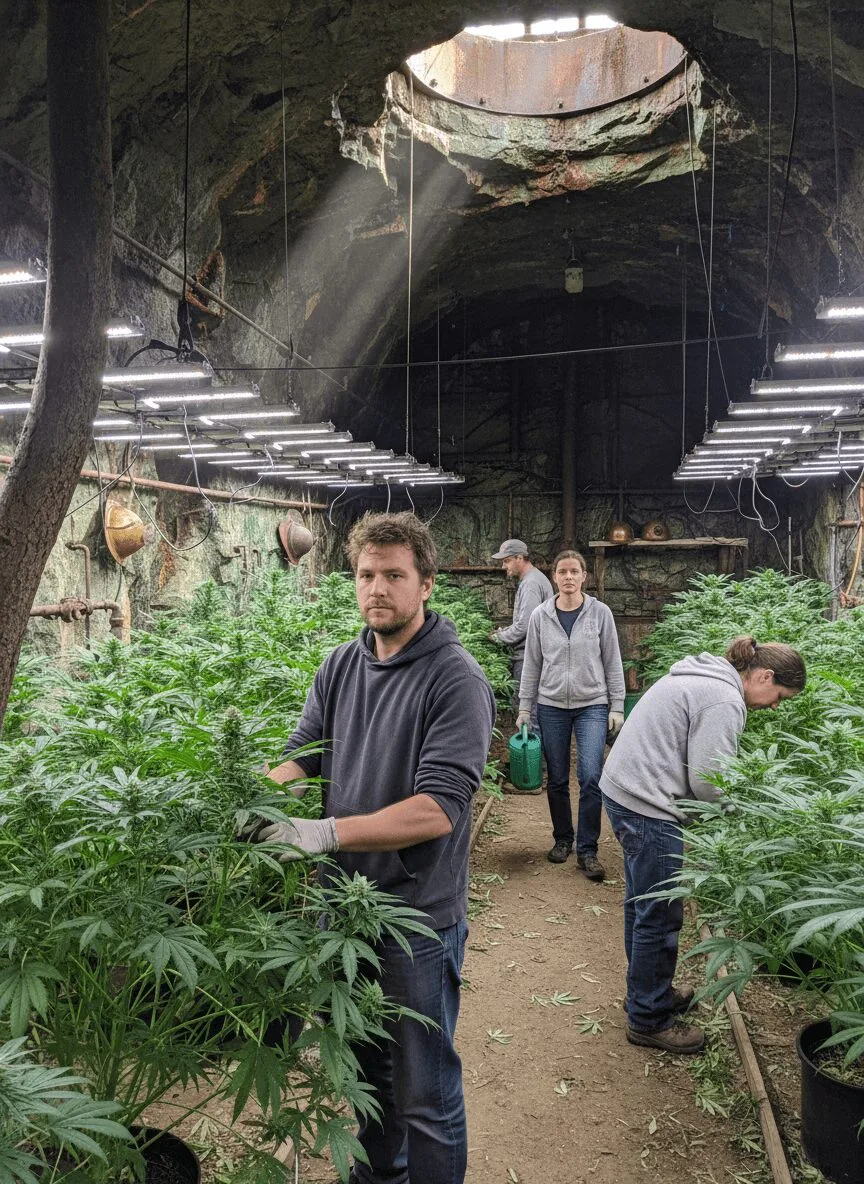
This is where things get interesting: Northern Michigan’s dormant copper mines have become the stage for some of the state’s boldest cannabis startups—especially CDB Mine, highlighted in a recent Crain’s Detroit Business expose. CDB Mine converted abandoned mining tunnels near Houghton into a highly controlled, climate-stable cannabis cultivation facility. News outlets report that production began ramping up in early 2024, raising questions about whether these underground operations comply with Michigan’s air quality and lighting mandates or if new statutes are required.
Legal documents from May 2024 demonstrate CDB Mine, under CEO Nick Forston, is actively working with both state and local regulators to check all the compliance boxes, from environmental footprints of reconfigured mines to secure transport and health protocols. Industry analysts note that the hybrid model—melding pharmaceutical-grade cannabis laboratories and agricultural grow space—could set key precedents for the Michigan cannabis industry. Significantly, the project has inspired imitators, with at least two companies investigating mine-to-cultivation conversions in the Upper Peninsula, as detailed in MJBizDaily. These developments mirror broader legal battles and regional policy debates, similar to those described in a recent lawsuit that sparked industry debate in McHenry County.
Expert Insights: What Mine Grows Mean for the Michigan Cannabis Industry
Cannabis visionaries have long discussed maximizing Michigan’s fractured landscape and rugged, historic sites. Leading legalization advocate and Michigan cannabis industry consultant Amy Carter shared with Leafly, “Repurposing these copper mines isn’t just a cool branding story, it’s about sustainability, stable temperatures, water conservation, and security you just can’t replicate in standard greenhouses.”
Industry insiders are optimistic; leveraging mine infrastructure cuts climate-control and pest-management costs, enhancing margins in a competitive market. But union representatives and safety advocates have raised real concerns about worker safety and meeting stringent air-quality standards, as highlighted by Detroit News. Still, this approach is regarded as a win for adaptive reuse and sustainable craft cannabis cultivation. As one grower says, “It’s vertical integration—literally and figuratively.” The innovative mine projects could soon define the Michigan cannabis industry’s identity, attracting investment and shaping national conversations about cannabis production. This trend also ties into broader scientific examinations of cannabis impacts, such as those found in science-based reviews of cannabis psychiatric risks, which help frame ongoing public and policy discussions.
Looking Ahead: Innovation, Growth, and the Next Chapter for the Michigan Cannabis Industry
With historic spaces like copper mines now growing grade-A cannabis, the Michigan cannabis industry is set to keep rewriting the playbook. Innovation here doesn’t dismiss regulation—it aims to elevate it. Recent moves, according to NORML, could even shape the national conversation on sustainability and adaptive reuse. As the state works through regulatory growing pains, expect more unique facilities, bolder product lines, and even more robust consumer support. The bottom line? Michigan’s weed economy is thriving and only getting more imaginative.
Originally reported by: crainsdetroit.com