




Medical Marijuana Insurance Coverage: What You Need to Know
Medical marijuana insurance coverage has become one of the most talked-about issues in healthcare and cannabis advocacy alike. As more patients turn to cannabis for serious medical needs, questions swirl about whether their treatments are financially supported. With record numbers of people accessing medical marijuana programs and insurers facing mounting pressure to adapt, the conversation feels especially urgent. This piece breaks down why insurance coverage is so patchy, tracks recent legal and regulatory headlines, and unpacks what it all means for patients right now.
The Legal and Regulatory Maze Behind Medical Marijuana Insurance Coverage
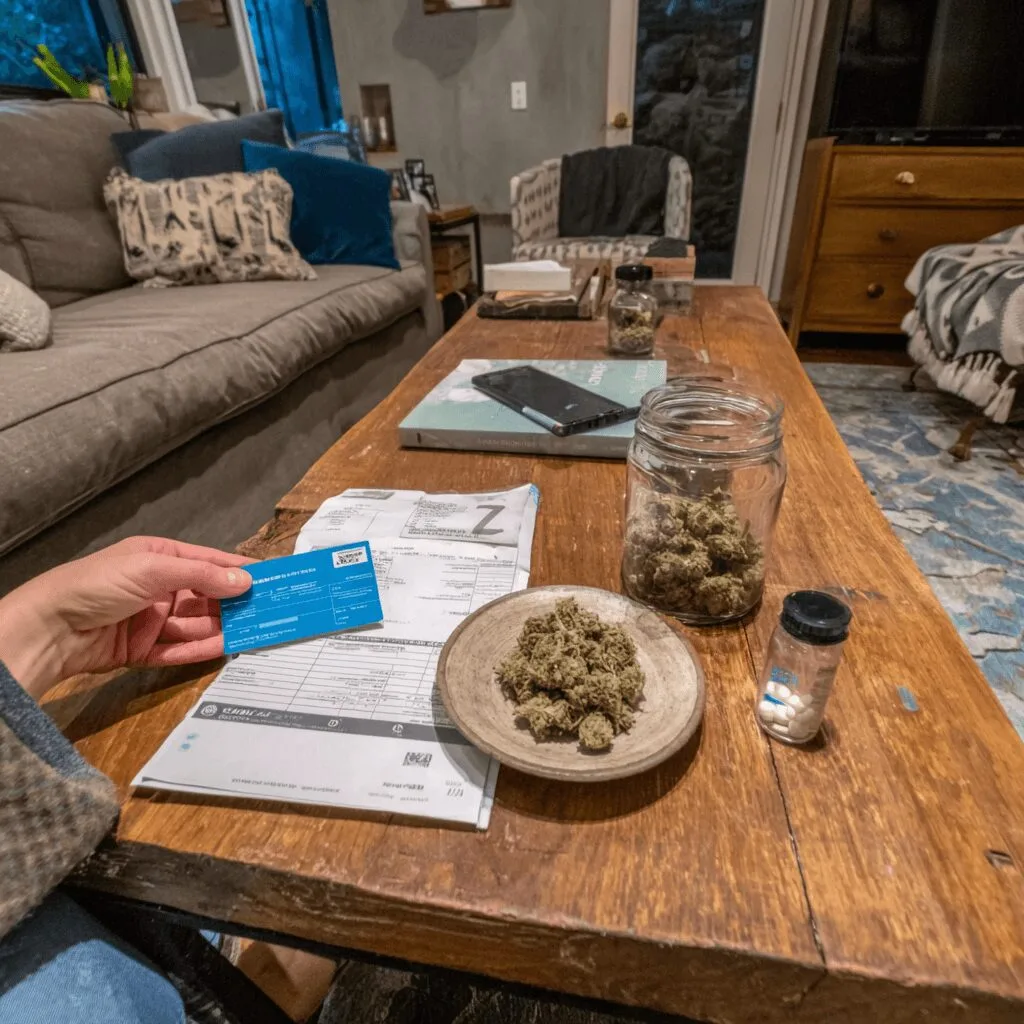
If medical marijuana insurance coverage seems like a wild goose chase, that’s mostly because it is, at least for now. Even as over 40 U.S. states now allow legal medical cannabis access (NCSL), federal law hasn’t budged. Marijuana remains a Schedule I substance under the Controlled Substances Act (DEA), stacked next to heroin and LSD. This legal mismatch keeps major health insurers, particularly those governed by federal law (think Medicare, Medicaid), from covering cannabis products, no matter how legit the prescription looks. Social stigma also lingers, influencing both insurers’ reluctance and state governments’ cautious approaches. Still, the momentum’s picking up. Recent years have seen pushes for reform from advocacy groups, medical authorities, and even state insurance regulators. They’re calling out insurance companies for leaving patients with steep out-of-pocket costs, despite mounting clinical evidence of medical marijuana’s efficacy (NIH) for conditions like chronic pain, PTSD, and multiple sclerosis. These insurance barriers can be especially tough for those already struggling with cannabis-related issues in daily life, echoing the challenges described in living with marijuana dependence and cannabis use disorder.
Key Developments & Issues in the Fight for Coverage
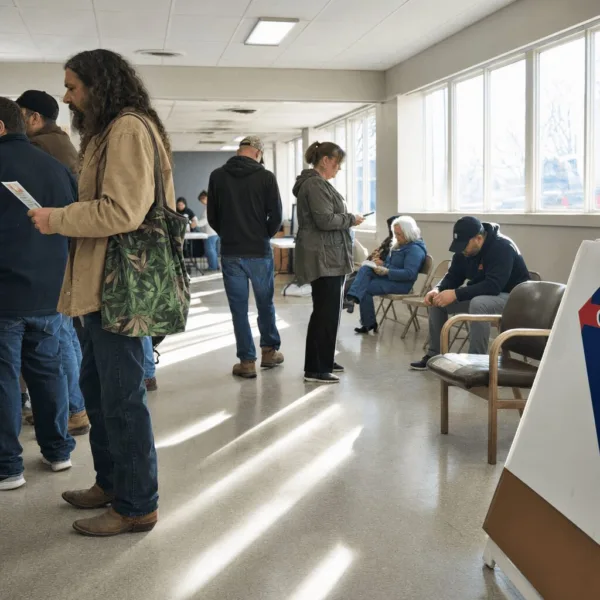
The November 2025 op-ed in the Pittsburgh Post-Gazette ignited intense debate about medical marijuana insurance coverage in Pennsylvania. The article highlighted how, yet again, lawmakers shot down proposals that would have forced insurers to pay for state-authorized medical cannabis. According to the Post-Gazette, patient advocates had lobbied hard for a bill that would have made Pennsylvania the first state to require major health insurance plans to include cannabis. The insurance industry’s opposition cited federal illegality and risk concerns, calling the proposals “premature.” Despite powerful testimony from patients (some noting devastating costs reaching hundreds per month), legislators sided with insurer lobbyists. Notably, the issue isn’t isolated—similar bills failed in New York and California this year. On the bright side, state-level attempts to shift the playing field show the issue is no longer underground, it’s at the legislative forefront, with bipartisan (if messy) debate. As new regulations emerge, some states are facing uncertainty about the future of cannabis farmers, which is discussed further in this piece on hemp regulation uncertainty and its federal impact. Some insurers now offer limited coverage for synthetic THC medicines (like dronabinol), but most patients needing plant-based products still pay out-of-pocket.
Expert Analysis, Insights & The Pro-Cannabis Perspective
Let’s be blunt, medical marijuana insurance coverage is still trapped in a paradox: wildly popular with patients and backed by increasing science, but still written off by policymakers and corporations. As Marijuana Moment reports, ongoing legal reform is slow, but “the sheer number of patients and physicians now clamoring for coverage means this question isn’t going away.” According to Dr. Amanda Reiman, a cannabis policy scientist, “Denying medical marijuana coverage forces patients to choose between rent and relief. It’s an equity failure.” Clinical research continues to grow, with JAMA publishing promising evidence about cannabis reducing opioid use for pain, potentially saving the healthcare system millions if properly integrated. Social acceptance has exploded; a 2023 Gallup poll showed over 75% of Americans now support medical cannabis, with many arguing insurance exclusion is unjust, especially for veterans or low-income patients. The ongoing debate also highlights how addiction trends, particularly shifting attitudes toward marijuana and recovery, influence both insurance policies and public sentiment, similar to the analysis found in recent shifts and recovery trends for marijuana addiction. Industry experts predict insurers will reposition as soon as federal law shifts, or risk being left behind in a multibillion-dollar wellness market. For now, patient coalitions and legal advocates continue to fight for reforms at both state and federal levels, armed with data and growing public demand.
Future Outlook and Hope for Patients
Skeptics might say the odds are stacked, but change is already underway for medical marijuana insurance coverage. State lawmakers keep introducing new bills; regulators and advocacy groups are increasingly vocal about fair healthcare access. The National Organization for the Reform of Marijuana Laws (NORML) expects federal scheduling changes within the next legislative cycle, which would immediately unlock broader insurance coverage possibilities. Meanwhile, insurers may soon revisit their policies as more clinical trials validate cannabis’ medical value and patients refuse to settle for less. Bottom line? We’re inching closer to a world where nobody risks financial ruin for filling a medical marijuana prescription. As public support and science keep growing, the future for patients just might get a lot greener—inside the medicine cabinet and the insurance policy binder.
Originally reported by: post-gazette.com



1 Comment
Pingback: Saugerties illegal cannabis store crackdowns: What you need to know