

Medical Cannabis Public Support Hits Record High, Survey Finds
Right now, medical cannabis public support is lighting up headlines and sparking policy changes everywhere. The newest survey results reveal a serious shift in how mainstream communities view legal access to medical cannabis, especially in local decision-making. Why does this matter? Because what happens at street level shapes national momentum, opening doors for advocacy, reform, and—let’s be honest—better policy. Keep reading as we break down the factors behind the rising public support for medical cannabis, the story behind the numbers, and what it means for the industry as stigma continues to go up in smoke.
Social & Regulatory Shifts: The Larger Landscape of Medical Cannabis Public Support
It’s no secret that medical cannabis public support has been climbing fast in the U.S., fueled by an evolving legal climate, public awareness campaigns, and patient advocacy. States are increasingly reassessing outdated drug policies. According to recent data from Pew Research Center, over 88% of Americans support legal cannabis use for either medical or adult recreational purposes, with medical use leading the charge. Experts attribute these trends to real-world results. Patients report improved quality of life and pain management, while tax revenues from regulated sales are funding local initiatives (NORML). Social attitudes have mellowed, with cautious support evolving into strong, open advocacy in many regions. For cities evaluating dispensary sites, like those recently spotlighted in marijuana-related airport incidents spotlighting shifting public and regulatory priorities, the shift is a reflection of how discussions have become more mainstream. While federal law remains stuck in the past, momentum at state and municipal levels, especially in places like Mississippi, signals a bigger, greener cultural shift. Public support is a direct response to how cannabis improves lives, budgets, and conversations. Lawmakers are listening, because the people they represent are speaking louder than ever.
Survey Results & Southaven’s Cannabis Moment: Key Facts and Developments
Let’s get specific. In a recent Southaven, Mississippi survey, over 70% of residents voiced support for allowing a medical cannabis dispensary to open in their community. This isn’t just talk, the data comes straight from a new poll featured in the Desoto Times-Tribune (1783107828). The survey reflected a cross-section of Southaven’s adults, with support cutting across age groups, backgrounds, and even political lines.
Southaven’s leaders, responding to clear local demand, are now seriously weighing policy changes and site proposals for dispensaries. Citing state law and recent reforms passed in 2022, the city had previously opted out of medical cannabis retail. But this new wave of medical cannabis public support has reignited the debate in City Hall. According to the article, city officials have acknowledged the need to review zoning and licensing standards to ensure both public safety and patient access. These evolving perspectives in Southaven echo the substantial recent discussions about why the medicinal use of marijuana is changing health and society. Industry experts confirm that Southaven isn’t alone. Similar surges in support and local government reversals have unfolded in dozens of U.S. towns this year (MJBizDaily). This signals that isolated pockets of resistance are steadily dissolving in the face of overwhelming voter sentiment. The survey’s findings serve as a case study for how medical cannabis public support influences municipal action, preparing the ground for responsible, regulated access.
Expert Insights: Why Medical Cannabis Public Support Matters
So why is medical cannabis public support at an all-time high? From my vantage point as a long-time industry advocate, it’s about trust. When community members see friends, neighbors, or relatives benefiting from medical cannabis, whether for chronic pain, PTSD, or epilepsy, the taboo breaks down. Local stories outshine stereotypes. Hospitals, clinics, and pharmacists are more willing to discuss cannabis when science and patient outcomes do the talking. Recent trends in how cannabis impacts mental health, such as those seen in studies exploring legalization’s effects on mental health in specific communities, have added more nuance to the conversation.
Industry leader Betty Aldworth, former director at Students for Sensible Drug Policy, gets straight to the point, “Medical cannabis is no longer a controversial issue in most communities. People recognize its value, and now the law is starting to reflect that reality.” Data from NCSL (National Conference of State Legislatures) confirms that most U.S. states now have medical cannabis programs, and results from Southaven are mirrored in cities nationally.
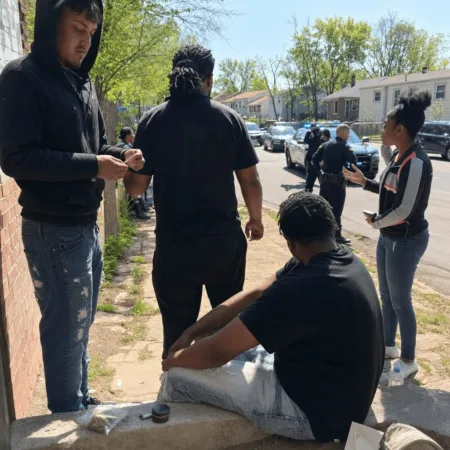
The wave of support also reflects generational change. Younger people, plugged into digital health and social equity issues, are far less likely to buy into outdated scare tactics. Meanwhile, older residents who vote consistently have seen family members benefit first-hand, challenging decades of misinformation. The industry continues to professionalize: product quality, accountability, and labeling standards now rival those in traditional pharmacies, according to ongoing reports by Leafly Industry News. That means hesitant consumers are finally coming off the sidelines, driven by both personal need and credible information. Communities are also affected by evolving cannabis and drug enforcement patterns, as seen in large-scale gun and drug arrest operations that shed light on intersecting priorities. It’s a classic case of cannabis meeting community expectations, not the other way around.
Looking Ahead: The Future of Medical Cannabis Public Support
As we ride this high tide of medical cannabis public support, the future looks bright (and, yes, a little green). The survey in Southaven echoes what’s happening in communities everywhere: people want sensible cannabis policy. States with mature programs are already seeing lower opioid prescriptions and safer consumer choices, as noted by the Journal of the American Medical Association. As regulations evolve, expect even broader access, more robust educational efforts, and collaborative local governance. Social acceptance is skyrocketing. Medical cannabis public support isn’t just another headline. It’s the backbone of an industry that’s only just begun to show its full healing potential. Keep an eye out—if your town isn’t already talking about dispensaries, that conversation is coming soon. With momentum this strong, real change is not just possible, it’s inevitable.
Originally reported by: desototimes.com