





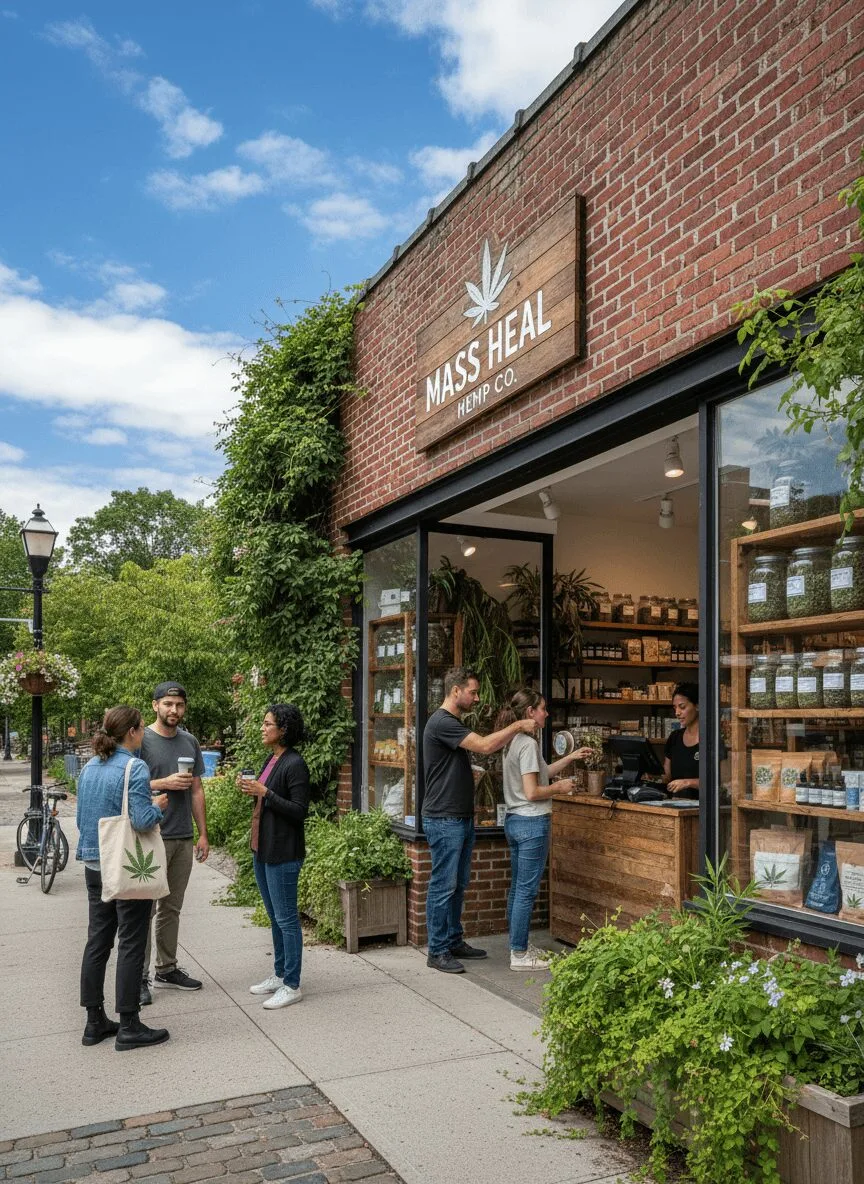
Massachusetts hemp business ban: What’s next for local businesses?
Right now, there’s a massive shakeup rocking the Bay State’s cannabis scene: the Massachusetts hemp business ban just landed. With lawmakers updating regulations and local shops scrambling, it’s a crucial moment for entrepreneurs, consumers, and advocates. Whether you’re watching your favorite CBD shop shutter, or worried about your own hemp hustle, understanding these rule changes isn’t just smart—it’s essential. Let’s break down what’s happening, why it matters, and what it could mean for the future of hemp in Massachusetts.
What’s Driving the Massachusetts Hemp Business Ban?
To get why the Massachusetts hemp business ban is on everyone’s lips, you have to look at the legal landscape. Until recently, the 2018 federal Farm Bill opened the hemp floodgates nationwide, letting states regulate as they liked. Massachusetts jumped in, encouraging hemp growers to meet surging demand for CBD and hemp-derived THC-adjacent products that stay under the 0.3% delta-9 THC threshold. However, the feds started tightening oversight, worried about loopholes letting intoxicating products, such as delta-8 and HHC, end up in unregulated hands or with minors (Industry data from MJBizDaily shows these gray areas exploding in popularity). Local lawmakers have caught on, leading to a heated debate about how to balance economic growth, consumer safety, and cannabis market integrity. This echoes challenges seen in other states where law enforcement actions, such as high-profile major marijuana seizures in Texas, highlight the complexities faced by regulators and business owners alike.
Meanwhile, licensed marijuana businesses have argued that allowing non-regulated hemp shops to sell psychoactive hemp products undermines state-licensed dispensaries. According to Leafly, such tensions are actually happening across the country, but Massachusetts is one of the first states to pull the plug so aggressively.
Key Developments: The Ban, Who’s Affected, and What’s Changing
On April 5, 2026, the Massachusetts Department of Agricultural Resources (MDAR) dropped a new policy: all sales of intoxicating hemp-derived cannabinoids, like delta-8, HHC, and THC-O, are now banned statewide. According to the Boston Globe, dozens of small hemp shops received cease-and-desist letters almost overnight. Entrepreneurs like Green Road Naturals of Worcester and Golden Leaf Wellness in Springfield, both mentioned in recent local coverage, are now left with shelves of illegal stock. This regulatory tightening comes as Massachusetts, similar to other states grappling with evolving cannabis laws, is reviewing retail operations such as changes during holiday shopping periods to ensure compliance.
The law’s teeth come from a recent amendment to the state’s hemp regulations, which the MDAR claims is needed to ‘protect public safety’ and ‘preserve the integrity of the state’s legal adult-use cannabis industry.’ The new rules, mirroring changes pushed in other states, prohibit not only the sale, but also the production and distribution of any hemp product deemed ‘intoxicating.’ Products with CBD remain legal, but anything with mind-altering effects is off the table.
For retailers and distributors, compliance is immediate. According to official MDAR guidance, violators risk hefty fines, loss of licenses, and possible criminal charges. Some companies and advocacy groups have threatened court challenges, but for now, the state stands firm. The Massachusetts hemp business ban isn’t just policy news, it’s an existential threat for many local entrepreneurs.
Industry Analysis: What Does the Massachusetts Hemp Business Ban Mean for Cannabis in Massachusetts?
Let’s get real, the Massachusetts hemp business ban sends shockwaves through every level of the cannabis supply chain. By cutting off the legal gray market for hemp-derived intoxicants, Massachusetts is doubling down on a tightly-regulated, ‘one-market’ approach, one that heavily favors dispensaries over small hemp shops.
Cannabis industry experts at Green Market Report note this is part of a national trend: ‘States are scrambling to develop clear rules as intoxicating hemp products outpace regulators,’ says industry analyst Joe Williams. ‘From CBD stores in Georgia to hemp shops in Massachusetts, we’re seeing a regulatory clampdown, but also a call for a unified, practical approach.’
This crackdown could lead to greater confidence for consumers who want tested, regulated products. At the same time, it stifles innovation and pushes smaller players, often local, family-run businesses, out of a market they helped build. When considering enforcement, it is important to remember that in some regions, arrests for public cannabis offenses, such as a Hartford marijuana arrest involving local consumers, frequently stir debate about the balance between safety and personal freedom.
‘When we kill off small hemp businesses, we lose local jobs, community investment, and affordable access to plant-based wellness,’ says Mary Connors, founder of a Boston CBD collective, quoted in the Hemp Industry Newswire. ‘The solution isn’t banning, it’s leveling the regulatory playing field and ramping up consumer education.’
Future Outlook: Is There Hope After the Massachusetts Hemp Business Ban?
Despite the current grind, there’s real reason for hope. Massachusetts has a history of pushing progressive cannabis laws, from medical to adult use, often bouncing back stronger after tough policy debates. Market observers from Cannabis Business Times believe the industry will adapt, with forward-thinking businesses pivoting to compliant products and customers demanding clearer regulations. Meanwhile, advocates continue to fight for sensible guidelines that allow safe, innovative hemp products while keeping the public secure. The Massachusetts hemp business ban feels like a setback now, but it just might push lawmakers and the industry toward smarter, better-balanced rules.
As stigma falls and policymakers catch up with reality, expect more discussions, more advocacy, and—eventually—a more stable landscape for hemp entrepreneurs. The Bay State’s hemp community has weathered storms before. With grit, collaboration, and a little classic New England stubbornness, there’s every reason to believe creative solutions (and new business models) will appear—making Massachusetts a leader again, not just in cannabis, but in equity and entrepreneurship across the hemp space.
Originally reported by: bostonglobe.com


2 Comments
Pingback: SWLA Arrest Report: Latest Updates You Need to See Now
Pingback: Missouri THC seltzer ban: What happens if it passes?