





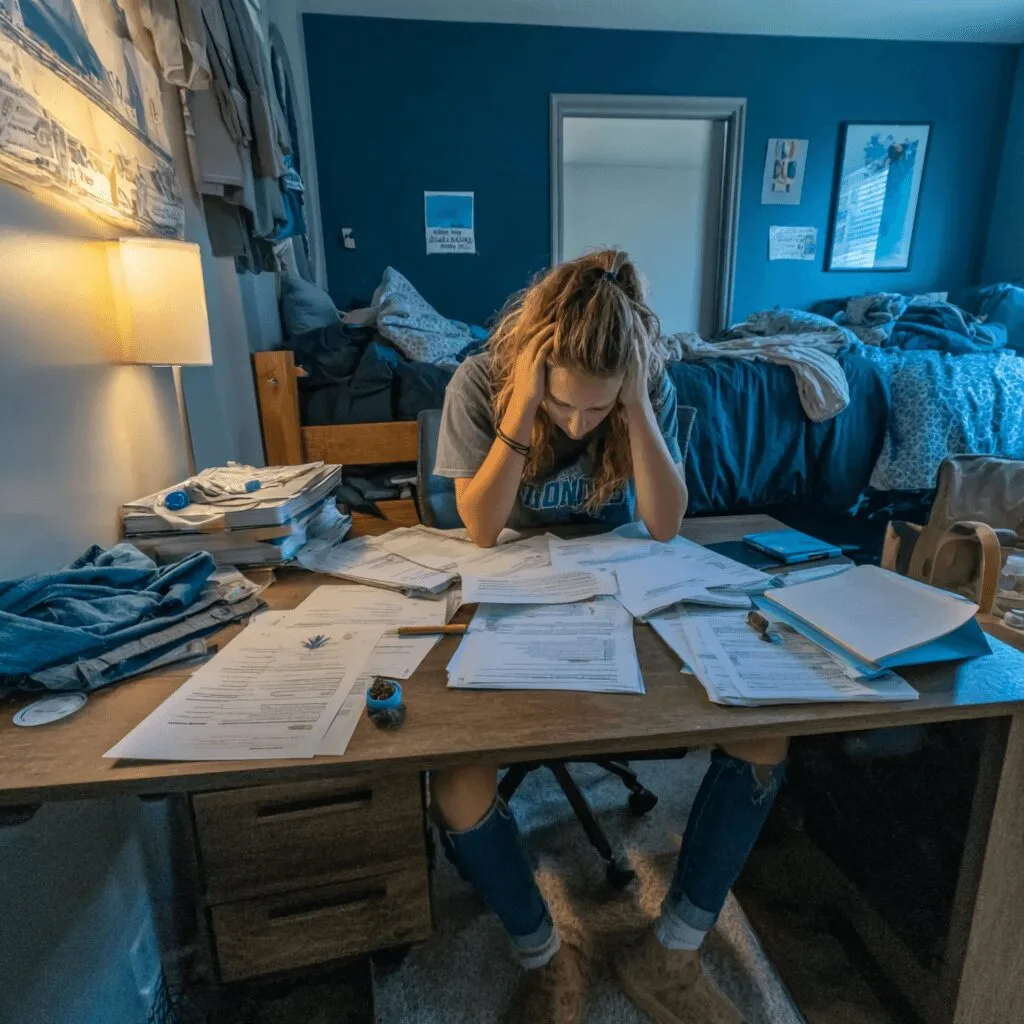
Marijuana teen school performance: What every parent must know
Parents are talking about marijuana teen school performance more than ever. With shifting attitudes toward cannabis and headlines making waves, this topic is front and center. The growing legalization movement is changing how teenagers view weed and how it shows up in classrooms. This matters because new reports link marijuana use to lower grades and more emotional turbulence for teens. If you’re a parent, educator, or just curious about cannabis culture, stick with me. We’ll break down the facts, debunk myths, and put everything into a balanced, real-world perspective.
Changing Laws and Social Shifts: The Landscape Behind Marijuana Teen School Performance
The rapid evolution in cannabis policy across North America underpins today’s conversation. States like Colorado, California, and Illinois have led the charge in recreational cannabis legalization (National Conference of State Legislatures). Their laws are strong on regulating sales and age limits, yet social acceptance has soared. Teens and families feel the ripple effects. National surveys like the CDC’s Youth Risk Behavior Survey show that marijuana remains the most commonly used illicit drug among teens. Some parents worry that easier access and relaxed stigma might tempt students to try cannabis, potentially impacting their academic lives. Meanwhile, schools are scrambling to update drug education and intervention policies to keep up with changing times. In fact, for anyone interested in the detailed risks and impacts marijuana can have on adolescent academic performance, this resource offers research-backed guidance for parents and students. All these factors make the intersection of marijuana teen school performance a hot topic in homes, schools, and policy circles alike.
What’s Actually Happening? Breaking Down the Big Findings on Marijuana Teen School Performance
New research has sparked debate and concern about marijuana teen school performance. A headline-grabbing study reviewed by News Medical (December 2023) found a strong link between cannabis use in teens and declining academic performance. The study involved teens from various schools who self-reported cannabis use, grades, and mental health. Results? Students who used marijuana regularly were more likely to have lower grades and experience emotional distress. The researchers used data from the CDC’s Youth Risk Behavior Surveillance System, strengthening the study’s reliability. This news emerges alongside updates from several state departments of education tightening rules on drug disclosures and support programs for students. These findings are fueling national debates and forcing school districts to revisit their drug education policies. For parents navigating concerns about school outcomes, it’s helpful to see how fears about marijuana on campus play out in shocking real-world incidents—such as when cannabis unexpectedly appears in places like kindergarten classrooms, which highlights the urgency of effective policy, as discussed in this analysis of unexpected school exposures. As always, the specifics matter: most adverse outcomes were tied to habitual, frequent use, not the isolated weekend experiment. Still, the message is clear, school leaders and families can’t ignore the reality of marijuana teen school performance in 2024.
Digging Deeper: Expert Views and Cannabis Community Response on Marijuana Teen School Performance
Let’s pause for some expert perspective. It’s easy to get worried, but context is important. Cannabis affects everyone differently, and its impacts can be influenced by mental health, family environment, and underlying stress. Dr. Yasmin Hurd, a leading neuroscientist at Mount Sinai, told NBC News, “We shouldn’t ignore clear evidence, but understanding why teens turn to cannabis, be it stress, social pressure, or curiosity, is just as crucial as the behavior itself.” Community voices agree: responsible cannabis advocacy means addressing education and mental health hand-in-hand. Publications like Leafly’s health desk echo this sentiment, emphasizing that while the risks are real, nuanced drug education and harm reduction work far better than fear-based lectures. Similarly, reviewing shifts in public concerns about marijuana’s risks, especially in specific regions during the holidays, can provide even more perspective, as shown in recent coverage of how Minnesotans perceive cannabis dangers. At the end of the day, it’s about helping teens build resilience and self-awareness, not just avoiding cannabis. The intersection of marijuana teen school performance is less about demonizing a plant, and more about supporting youth to thrive, whatever choices they face.
Looking Forward: Navigating Marijuana Teen School Performance with Open Eyes and Optimism
Here’s the leaf-shaped silver lining—today’s open conversation around marijuana teen school performance is driving a new, smarter approach to youth health. With legalization’s march continuing, families, schools, and regulators are teaming up—not just to police cannabis, but to empower students. States like Massachusetts Cannabis Control Commission are pioneering education and outreach programs to help teens make informed, healthy decisions. The cannabis industry, meanwhile, is pushing for clearer regulations and funding research to fill in knowledge gaps. Society’s view of cannabis is evolving: from stigma and shadowy warnings to candid talk and balanced support. If we keep centering facts, honesty, and youth wellbeing, everyone wins. The cannabis revolution isn’t just legal—it’s more informed, responsible, and hopeful than ever. Here’s to a future where every conversation about marijuana teen school performance leaves us wiser and more connected.
Originally reported by: news-medical.net


1 Comment
Pingback: adolescent low-frequency cannabis risk: What Every Parent Should Know