


Marijuana Scale Standards: Federal Report Reveals Key Findings
It’s 2024, and as the cannabis market keeps blazing into mainstream acceptance, getting the details right has never been more essential. Accurate marijuana scale standards are now a central conversation for regulators, producers, and dispensaries. Why? Because weighing weed isn’t just a technical matter – it impacts fair sales, consumer trust, and legal compliance. A new federal report is turning heads, highlighting how these standards are evolving and what they mean for state officials and the entire cannabis industry. Let’s unpack the latest developments, see what’s sparking debate, and figure out what it all means for the future of legal pot.
The Regulatory Landscape: Why Marijuana Scale Standards Matter
The cannabis industry’s evolution has called attention to rigorous regulatory frameworks designed to ensure product integrity from seed to sale. Marijuana scale standards are not just about weighing nugs, they’re tied directly to consumer protection, tax accuracy, and legal credibility. State-by-state legalization has spawned a patchwork of rules, making compliance a high-stakes balancing act. According to the National Institute of Standards and Technology (NIST), accurate weighing instruments play a key role in establishing trust between consumers and licensed retailers. Meanwhile, state-level agencies such as Oregon’s OLCC and Illinois Department of Financial and Professional Regulation have crafted their own protocols, revealing the ongoing push and pull between federal guidance and local implementation. Because legalization is spreading to non-traditional regions, some states, including Michigan, have introduced significant case law, such as a recent legal precedent impacting probation rights, that influences how standards and regulations are interpreted. This landscape means marijuana scale standards don’t just ensure fair weed deals, they anchor the industry’s legitimacy in the public and legal eye.
Key Developments: Inside the Federal Report on Marijuana Scale Standards
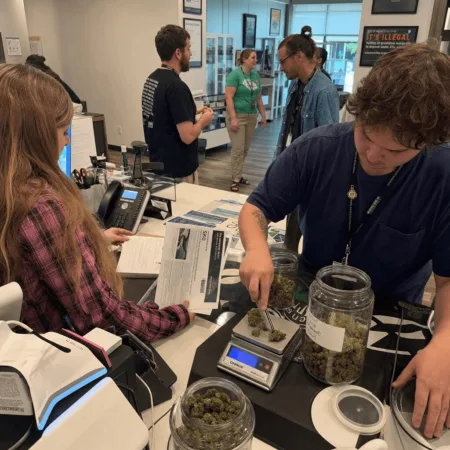
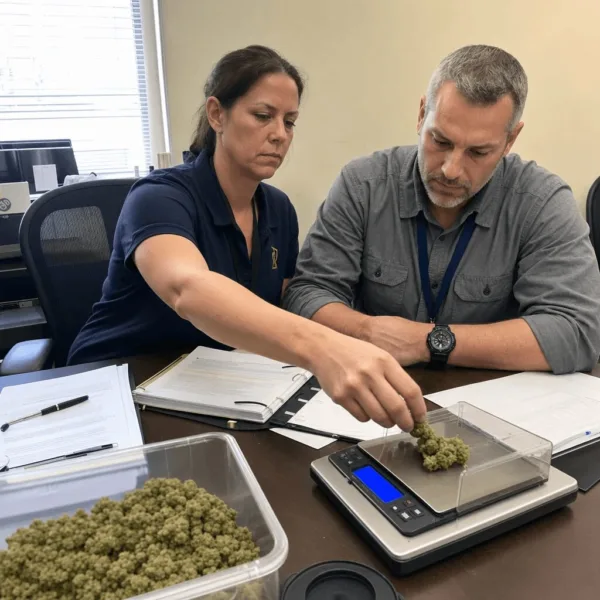
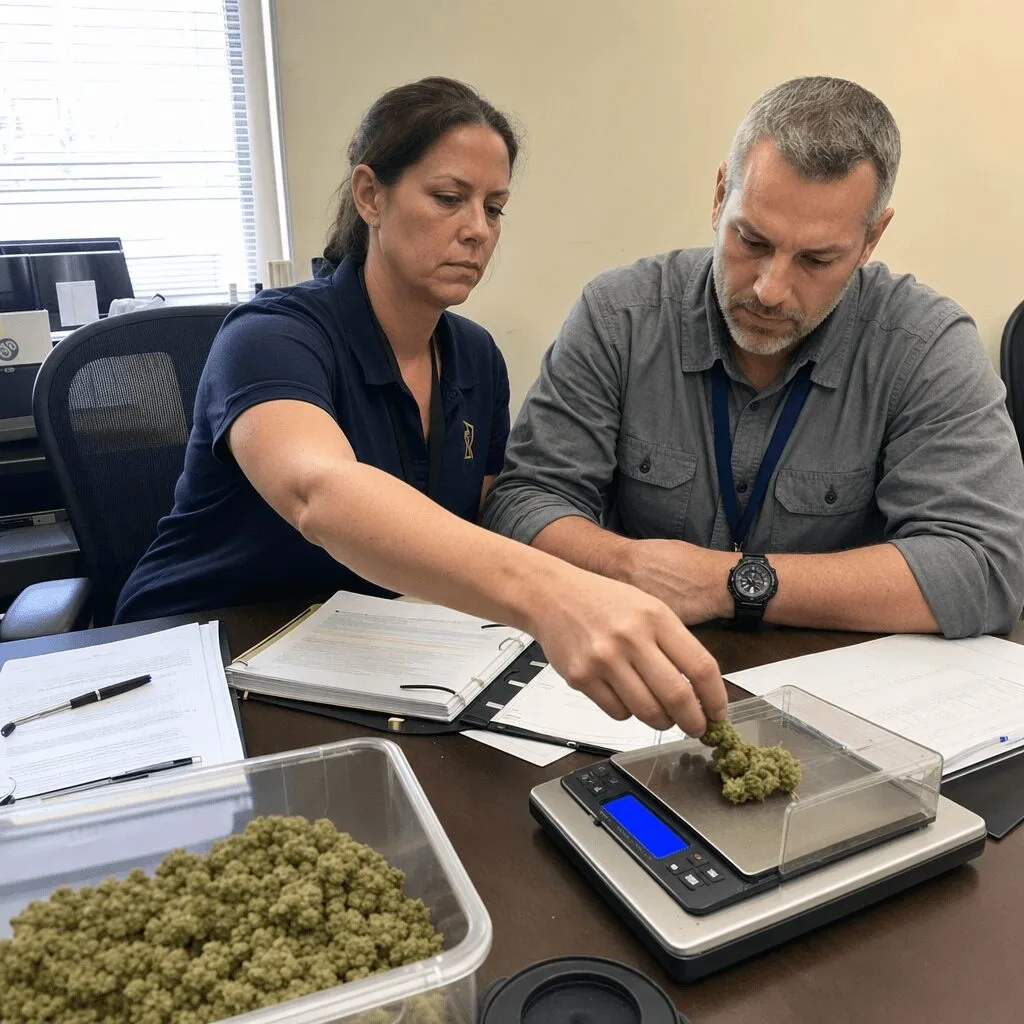
Let’s get granular, a fresh federal report published by the National Institute of Standards and Technology (NIST) dives into how digital and mechanical scales are being used to weigh cannabis in legal markets. This 1783451421 report offers detailed recommendations tailored for state regulators, addressing calibration procedures, operator training, and inspection schedules. Notably, the findings underscore that inconsistent marijuana scale standards across states can lead to disputes over product weight, consumer distrust, and even legal headaches for dispensaries and cultivators. According to the report, several states rely heavily on NIST’s guidance but interpret and enforce those standards differently. For instance, California and Colorado have implemented annual inspection requirements, while emerging markets like New York are still finalizing their protocols. The document also cites challenges faced by regulators in keeping up with rapidly evolving equipment and software. For marijuana businesses navigating new regulations, industry events such as unionization efforts—like those seen in Missouri’s workforce movement—underscore the importance of proper standards for worker and consumer protections. The report calls for better coordination and more accessible education for operators, including new digital tracking tools. All these developments echo recent statements from industry groups, such as the National Organization for the Reform of Marijuana Laws (NORML), pushing for unified, science-based metrics to guide state policy. The federal findings now serve as a blueprint for states hoping to avoid chaos and establish robust marijuana scale standards.
Expert Insights: Why Consistent Marijuana Scale Standards Fuel Industry Growth
Seasoned cannabis professionals have always known, you can’t build industry credibility on shaky measurements. As states scramble to harmonize their marijuana scale standards, a chorus of experts insists that it’s not just about weighing flower—it’s about cementing industry reliability, smooth transactions, and consumer safety. As Aaron Smith, co-founder of the National Cannabis Industry Association, put it, “Uniform scale standards help everyone in the supply chain, from trimmers to budtenders, trust the process. Without them, even the dankest bud can lose its value if customers start doubting how much they’re really getting.” Beyond that, harmonizing marijuana scale standards can also streamline tax collection and reduce state auditing headaches—a win for businesses and regulators. For anyone concerned about current marijuana risks, resources exploring cannabis benefits and risks for different communities, including seniors, highlight how crucial accurate regulation remains. At a time when the sector is eyeing national legalization, getting these technical details right sends a powerful message to both skeptics and supporters that legal cannabis can handle grown-up responsibilities. The industry-wide push for clearer standards mirrors what’s already worked in other regulated markets like alcohol and pharma, emphasizing risk mitigation and operational transparency.
What’s Next: Raising the Bar for Marijuana Scale Standards
The bright side? With this new federal guidance, expect more states to step up their game, improving everything from training protocols to equipment checks. As consumers get savvier, demand for transparency will only grow. Forward-thinking operators, meanwhile, are investing in top-tier scales and traceability tools, confident that standardized marijuana scale standards are good for business and the broader movement. Recent industry outlooks from sources like Marijuana Moment predict that clear measurement rules will smooth out interstate commerce and reinforce legitimacy nationwide. As legal cannabis culture flourishes, standardized weighing practices will help ensure that both the plant—and the people behind it—get the respect and fair shake they deserve. Here’s to seeing the future of marijuana scale standards shine brighter, one precisely weighed gram at a time.
Originally reported by: marijuanamoment.net