


Missouri cannabis unionization: Worker wins and what’s next
Missouri cannabis unionization is gaining serious momentum, and it’s making waves across the state’s booming cannabis industry. With record-setting retail sales and expanding production facilities, dispensary workers and cultivators are now moving to secure better pay, safety protections, and a real voice at work. Recent labor wins mark a turning point for both employees and the entire market. Missouri’s journey toward fair cannabis labor practices is just getting started, and the conversation couldn’t be more timely for workers, business operators, and the broader cannabis community.
Background: Understanding Missouri’s Cannabis Labor Movement
Missouri’s cannabis industry has taken off since the launch of adult-use sales in February 1783435454, with sales topping $1 billion in the first year (source: MJBizDaily). This rapid expansion created thousands of jobs, but also laid bare concerns around wages, safety, and working conditions. As legalization swept the Midwest, advocacy groups and labor unions saw a unique opportunity: organize cannabis workplaces from the start, rather than retroactively, to set a positive precedent.
Discussion of compliance requirements and zoning debates has been common—as recently illustrated by local tensions in the Nebraska cannabis sector over zoning disputes affecting growers.
The current legal structure under Missouri law allows cannabis workers to organize for collective bargaining, but with state-level regulations and federal cannabis prohibition creating a complex environment, labor organizing hasn’t been straightforward. According to NORML, Missouri’s evolving cannabis laws mix progressive opportunity with tough compliance requirements.
Key Developments: Union Victories & Industry Response
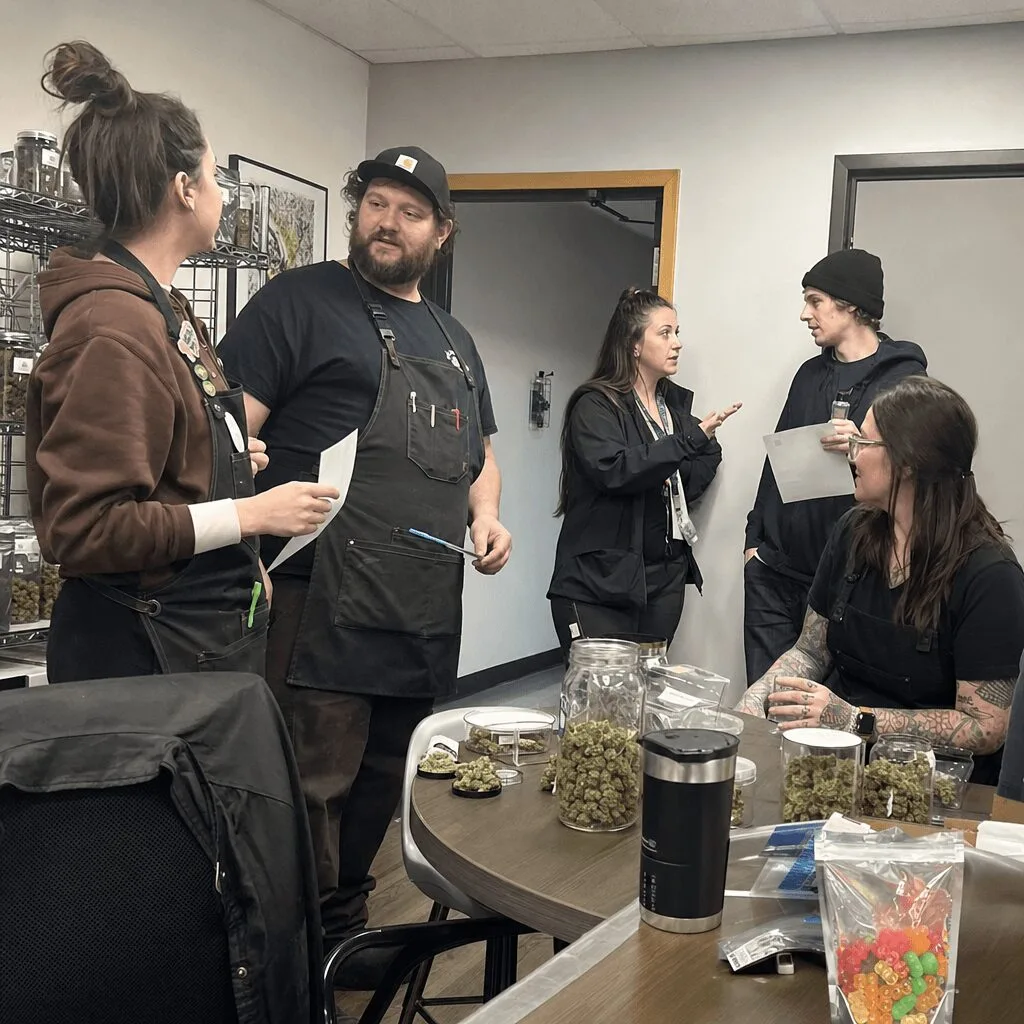
According to MJBizDaily, 1783435454 has seen a surge in Missouri cannabis unionization victories. Workers at BeLeaf Medical dispensaries, one of the state’s most established operators, overwhelmingly voted in favor of union representation with the United Food and Commercial Workers (UFCW) Local 655. This was swiftly followed by organizing drives at Hippos Cannabis and Greenlight, two major retailers.
Insiders highlight tough negotiations over pay, paid time off, and workplace safety measures. Employees have cited high turnover, inconsistent scheduling, and lack of healthcare benefits as core drivers for organizing. On the company side, some operators have publicly declared neutrality while others have pushed back, prompting regulatory scrutiny by Missouri’s Department of Health and Senior Services (DHSS), according to The Kansas City Star.
The complexities of regulating emerging cannabis markets are increasingly visible. For instance, major changes in state-level oversight have also been seen in the Oregon cannabis sector, where regulatory mergers reflect larger industry shifts nationally.
The National Labor Relations Board (NLRB) has stepped in to monitor union elections and ensure fair bargaining. In several cases, the NLRB has cited employers for unfair labor practices, demonstrating that federal labor protections still apply to cannabis employees despite cannabis’s federally illegal status. In 1783435454 alone, three more workplaces have filed for union votes, further signaling a transformative trend in Missouri cannabis unionization.
Expert Insights: What Missouri Cannabis Unionization Means for the Industry
From the perspective of industry veterans, these union wins signal a new era for Midwest cannabis. According to Leafly, union drives often lead to lower turnover and greater staff morale, which are vital factors in a highly regulated and customer-facing industry.
Megan Jones, Labor Policy Director at the New Approach Missouri advocacy group, told reporters, “When cannabis employees feel secure and respected, everyone wins, patients, rec users, owners, and the state. Organized labor is raising the bar for cannabis professionalism.” (source)
Broader labor trends in the cannabis space show that worker protections and product safety improvements often go hand in hand, as highlighted by the adoption of new health and GRAS standards in CBD products throughout the industry. These trends mirror what’s happening in other legal states like Illinois and California, per data from the Sensible Policy Institute. By working through challenges up front, from wage demands to cultural shifts, Missouri cannabis unionization could set a national benchmark for ethical employment and regulatory compliance, offering valuable lessons for other emerging markets.
The Road Ahead: A New Age for Missouri Cannabis Jobs
2024 is shaping up to be a landmark year for Missouri cannabis unionization. If current trends continue, a sizable portion of the workforce will soon benefit from collective bargaining agreements. For dispensary and cultivation staff, this means tangible gains in wages, stability, and long-term growth. Operators, too, will ultimately see higher retention and stronger customer service.
The journey isn’t over—industry players know that regulatory adaptation, education, and smart compromise are still needed. But Missouri’s cannabis sector is growing up fast, setting a high bar for the rest of the Midwest and beyond. According to Marijuana Moment, the industry’s rising standards are drawing in both advocates and skeptics. With creative solutions, ongoing dialogue, and continued social acceptance, Missouri cannabis unionization could become the blueprint for a more inclusive and mature cannabis economy across the country.
Originally reported by: mjbizdaily.com