
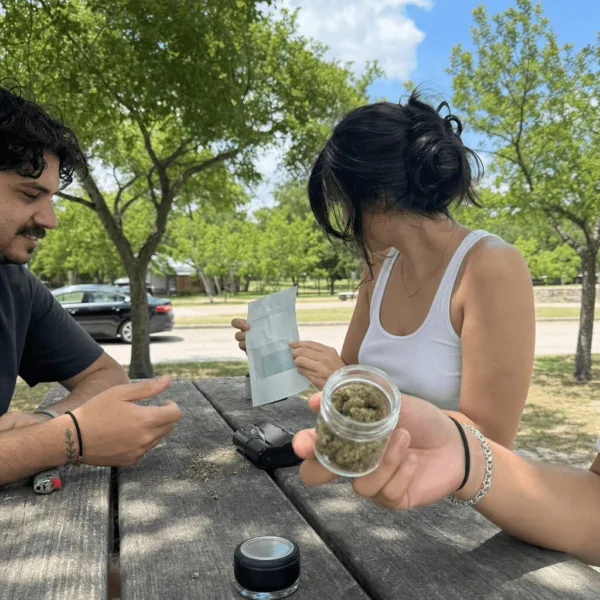





Marijuana policy University of Michigan: What Students Must Know
As cannabis reform sweeps the nation, universities are redefining their stances. The Marijuana policy University of Michigan is at the heart of a hot debate, especially as students gear up for events like Ann Arbor’s iconic Hash Bash. This campus policy has become a pressing topic with Michigan’s cannabis laws changing, creating new tensions and confusion for students navigating what’s allowed. Let’s break down what you need to know about the latest updates in marijuana regulations at the University of Michigan, why these rules matter now, and how they reflect both wider trends and ongoing challenges.
Understanding the Landscape: Regulatory and Social Factors
Despite Michigan legalizing recreational cannabis for adults over 21 in 2018 (Michigan Cannabis Regulatory Agency), federal law still lists marijuana as a controlled substance under the U.S. Controlled Substances Act. This conflict puts public universities like Michigan in a legal headlock. The Marijuana policy University of Michigan is shaped by these overlapping jurisdictions. While local attitudes in Ann Arbor have been progressive for decades, federal funding for universities is at stake if institutions permit cannabis on campus. This regulatory tension forces administrators to walk a tightrope, balancing community culture, state law, and federal obligations. As seen in other states grappling with similar changes, such as recent shifts in Ohio marijuana law, campus policies do not always align with local reform, leaving both students and staff in a challenging position. The national conversation reflects how universities adapt or push back against shifting societal norms regarding marijuana use among students.
Key Developments & Issues: The 2026 University of Michigan Policy Update
In March 2026, just ahead of the legendary Hash Bash, University of Michigan officials issued a clear warning: marijuana remains strictly prohibited on all university property, regardless of Michigan’s statewide legalization (MLive, 2026). This aligns with the federal Drug-Free Schools and Campuses Act, under which noncompliance could threaten the university’s funding. Even with Ann Arbor’s famously progressive attitude, where marijuana has been decriminalized since the ’70s and public events like Hash Bash are annual traditions, campus rules haven’t budged. The official communication emphasized that students, employees, and visitors found possessing or using cannabis (even in small personal quantities or for medical use) on university grounds risk disciplinary actions including suspension or expulsion. Key takeaways from the latest Marijuana policy University of Michigan update include:
- Zero tolerance for marijuana possession or use on any campus property, indoors or outdoors.
- Applies to all students, staff, and visitors, regardless of age or medical cardholder status.
- Potential sanctions include academic penalties, eviction from housing, and criminal referral if caught violating policy.
- Warnings were issued across digital channels and at residence halls as Hash Bash approached to ensure widespread awareness. These educational outreach efforts resemble strategies implemented in other states facing evolving regulations, such as those detailed in recent cannabis reforms impacting financial inclusion.
The confrontation between local culture (Hash Bash, Ann Arbor’s cannabis activism) and university policy is creating significant friction, especially as many students now assume state law is the final word.
Expert Analysis & Industry Insights: Why This Matters
The Marijuana policy University of Michigan is a textbook case of the federal-state disconnect facing campus administrators nationwide. As Marijuana Moment points out, colleges in legal-weed states remain tied to outdated federal restrictions, often leading to inconsistent applications and confusion. “Universities are forced to comply with federal law or risk losing funding, so their policies don’t always reflect local or state cannabis reform,” says Paul Armentano, Deputy Director of NORML (NORML, 2023). For students and advocates, this means that even pro-cannabis cities remain tough terrain for on-campus use. Industry analysts note a growing trend: students expect more consistent, sensible policies as cannabis acceptance broadens. The debate illustrates broader industry challenges, navigating compliance, public health, and shifting social expectations, all converging in high-profile campus environments. Watchdog groups and reform advocates warn that blanket prohibitions may push student use off campus, making harm reduction harder, much like complications after new safety rules such as the Arizona marijuana recall impacted statewide practices. As policy expert Betty Aldworth adds, “Education and sensible regulation always trump abstinence-only policies.” (Leafly, 2024).
Looking Forward: A Shifting Future for Cannabis on Campus
The Marijuana policy University of Michigan is a microcosm of national struggles as cannabis moves mainstream. While current rules emphasize prohibition to preserve federal funding, advocates are optimistic that growing public support and state-level reforms will encourage universities to evolve. The push for federal cannabis policy reform, such as rescheduling or full legalization, could eventually relieve campus regulators of the federal-state dilemma (Cannabis Business Times, 2024). Until then, students should stay informed, respect campus policy, and continue advocating for fair regulations that put safety and education first. With cannabis normalization gaining ground, university policies will have to adapt—and Michigan students have strong voices leading the conversation for change. Here’s to smarter rules, safer campuses, and a future where policy and practice finally match students’ everyday realities.
Originally reported by: mlive.com

2 Comments
Pingback: Virginia recreational marijuana bill: Sales Could Start in 2027
Pingback: Ohio cannabis referendum: Shocking November ballot update