



Let’s face it: the talk around marijuana history and regulation is hotter than ever. As legal markets expand and lawmakers reimagine rules, every cannabis fan sees headlines buzzing with major updates. But beyond the hype lies real science, government scrutiny, and everyday lab heroes guiding what makes it to dispensary shelves. The standards shaping marijuana history and regulation have never been more impactful. Today, let’s break down how regulators, technicians, and policy changes are clashing—shocking even seasoned cannabis advocates.
Setting the Stage: How We Got Here in Marijuana History and Regulation
No journey in marijuana history and regulation is simple. For most of the last century, cannabis faced tight bans and public stigma, but fast-forward, times have changed. Since California’s Prop 215 in 1996, momentum has pushed for deep reforms; as of 2024, over half of U.S. states now regulate adult-use or medicinal cannabis. The National Conference of State Legislatures (NCSL) tracks an avalanche of new measures, noting an explosive increase in regulated cannabis labs conducting quality and safety tests. In some communities, recent changes—like those discussed in Virginia Cannabis Regulation: Equity Shifts & The Push for Fair Access in 2024—highlight evolving legal landscapes. Yet federal prohibition lingers, creating a maze of compliance challenges for everyone from growers to government scientists. The ever-rising industry value, projected to top $41 billion in 2025 according to New Frontier Data, means regulators and businesses are constantly raising the bar. Consumers expect consistency and safety, while watchdogs inspect everything from THC potency to pesticide residues. Each step forward represents a new chapter in the long, twisted saga of marijuana history and regulation.
Unveiling the Lab: Key Developments Shaping Marijuana History and Regulation
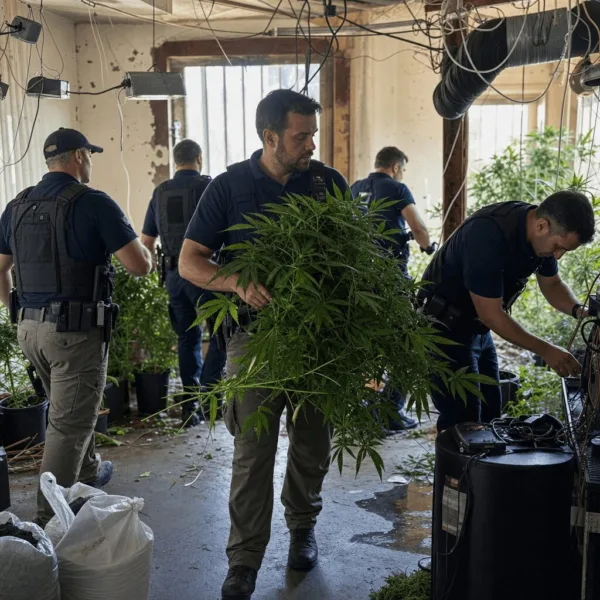
Recent headlines highlight a shift: the U.S. Department of Homeland Security (DHS) is stepping up oversight of cannabis testing facilities, as showcased in a recently released photo from inside a federal lab (DHS Media Library). In this candid, behind-the-scenes moment, government technicians perform thorough analytic tests, saccharimeter readings, potency measurements, and more on cannabis samples earmarked for legal scrutiny. This not only checks for illegal substances but ensures rules set by state and federal authorities are followed to the letter. Stringent standards and product safety are impacting cities nationwide—for example, evolving local ordinances, as reported in the examination of Nevada City Cannabis Ordinances, reflect how communities are adapting to the new compliance environment.
Since 2021, a series of state-level scandals—such as the Michigan lab fraud investigations (Detroit News)—has sparked demand for new, shock-absorbing standards. Several states, including California and Illinois, have since overhauled testing mandates, now requiring independent verification, robust chain-of-custody procedures, and regular audits. According to Marijuana Moment, the crackdown is prompting labs to adopt transparency measures that protect consumers while also keeping cannabis entrepreneurs on their toes.
The result? Small missteps, like a single contaminated sample or unverifiable test result, can trigger product recalls, hefty fines, or lab shutdowns. This intense pressure is shaping the marijuana history and regulation narrative, giving regulators unprecedented reach into the daily grind of licensed producers, distributors, and lab technicians.
How Experts See It: Lessons from Marijuana History and Regulation
As the industry matures, experts agree that elevated standards are vital. Still, some argue the pace, and complexity, of current marijuana history and regulation creates bottlenecks for innovation and equitable access.
Andrea Golan, attorney and compliance strategist for Vicente LLP, put it best in a Cannabis Business Times interview: “The focus on rigorous testing is necessary, but when requirements differ from state to state, labs and producers end up playing bureaucratic hopscotch.” She explains that varied local standards can hurt patients and consumers seeking reliability but lauds new tech—automation, blockchain, and AI-powered analytics—for eliminating manual errors previously commonplace in cannabis labs. The struggles that arise for operators are not unique; in states like Tennessee, recent legislative efforts have highlighted ongoing challenges with marijuana regulation, affecting both lawmakers and entrepreneurs involved in the process (Tennessee Cannabis Legislation Shakes Up Lawmaking: What’s at Stake Now?).
Other advocates, like those at MJBizDaily, note that while regulatory upgrades slow short-term profits, they help shed outdated stereotypes about cannabis. The move to a more scientific, trustworthy industry benefits everyone: patients, recreational users, and the businesses striving to deliver high-quality, consistent cannabis experiences. The ongoing marijuana history and regulation shake-up is raising the stakes for everyone, but it’s also building the backbone for tomorrow’s legendary brands and trailblazers.
Looking Ahead: The Next Wave in Marijuana History and Regulation
So, where does this whirlwind of change leave us? For every frustrating hurdle, there’s a bigger win at stake. Lab-tested cannabis is safer than ever, and regulators have leveled the field—no more backroom deals or shortcuts. As public acceptance climbs (a 2023 Pew Research study shows nearly three-quarters of Americans support legalization), the evolution of marijuana history and regulation continues to smash boundaries. Tomorrow’s rules? Expect even smarter, tech-driven oversight, plus an emphasis on equity and access for all. Real change is happening on lab benches and in policy rooms nationwide—a golden age for informed, resilient cannabis culture is just getting started.
Originally reported by: dhs.gov

1 Comment
Pingback: Ohio Valley marijuana dispensary: Discover the New Hotspot