



Maine Marijuana Ringleader Gun Charge: Shocking Update
The cannabis sector just hit a plot twist: the maine marijuana ringleader gun charge grabbed headlines. As cannabis grows mainstream in Maine, legal tangles force tough questions. Is the industry facing fair scrutiny? Or are we still fighting stigma? This high-profile court case serves as both wake-up call and progress barometer, right when cannabis advocacy is hitting new highs nationwide. Let’s untangle what happened, why it matters, and what’s next—through the lens of real cannabis culture.
Unpacking Regulation, Public Perception, and Industry Realities
Maine’s adult-use cannabis market came alive in 2020, following years of heavy regulation and scrutiny (Maine Office of Cannabis Policy). While legalization changed laws, the industry still faces stigma. Lawmakers and law enforcement are working to draw fine lines, public safety, responsible sales, and social equity are all big priorities (Marijuana Policy Project). This is a pattern mirrored in states like Colorado, where declining sales and evolving rules keep shaping the cannabis landscape (see trends in established markets). Yet, every time headlines like the maine marijuana ringleader gun charge appear, it exposes both how far we’ve come and what hurdles remain. In a state where legacy cannabis was already deep-rooted, clashes between new regulations and old-school operators are inevitable. The scene? A landscape in transition, equal parts hopeful and fraught.
Breaking Down the Maine Marijuana Ringleader Gun Charge Case
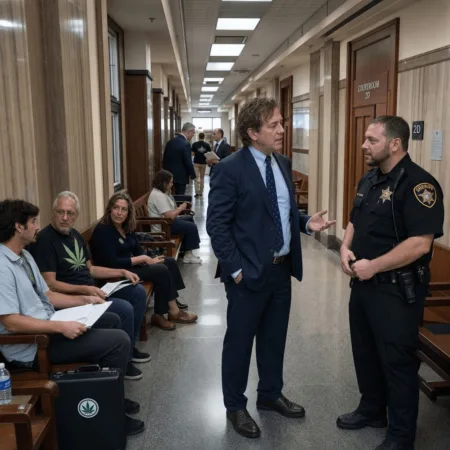
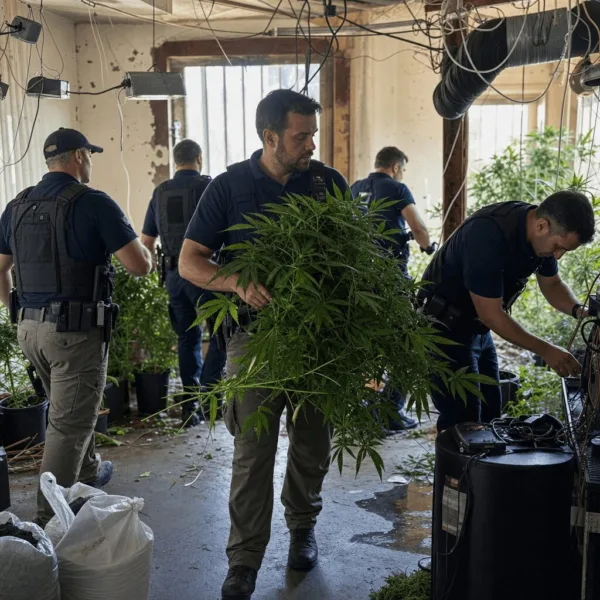
It all kicked off when Lucas Sirois, who prosecutors identified as the central figure in a multi-million dollar cannabis operation, found himself at the center of the maine marijuana ringleader gun charge drama (WGME News). Years after Maine’s legal market opened, federal authorities swept into Franklin County. They alleged Sirois had violated a pile of federal laws, most pointedly, illegal firearms possession while running his cannabis business. The operation allegedly stretched far beyond state lines, with federal prosecutors describing Sirois’s group as both innovative and, allegedly, “brazen.” Authorities claimed the operation raked in more than $13 million and included a cast of associates, county officials, and even law enforcement under investigation, and yes, a gun charge was part of the prosecution’s case until this June. These highly publicized raids and subsequent debates echo the controversies that local markets across the country face, such as the heated discussions during Pennsylvania’s recent district marijuana debates (see how local voices shape policy).
But here’s where things get weedy: As of June 2024, the most controversial weapon charge against Sirois was dropped following a legal battle, leaving conspiracy, fraud, and drug charges in play (Bangor Daily News). Prosecutors ultimately decided the evidence was insufficient for the gun count. The move shook both activists and industry insiders, spotlighting what happens when unclear state-federal cannabis rules clash with long-standing gun rights—and raising major civil liberties questions, right at the intersection of cannabis reform and policing. This is reminiscent of similar civil liberties issues affected by law and policy updates (see how freedoms and rights are tested).
Expert Takes: What Does This Mean for Cannabis?
What’s the real risk here? The maine marijuana ringleader gun charge case puts old federal prohibition and modern state regulation on full collision. The current mismatch leaves entrepreneurs caught between state-compliant business and lingering federal penalties, like gun ownership restrictions. As Leafly editors note, “Legal businesses aren’t shielded from a patchwork of federal overreach, even when they’re playing by state rules.” The collapse of the gun case against Sirois highlights this tension.
Industry leaders echo the same vibe. As Steven Hawkins, the former CEO of the US Cannabis Council, told Leafly, “Cannabis deserves the same legal protections as any other industry. We can’t keep allowing confusing regulations to criminalize law-abiding citizens. This is about fairness, safety, and the right to build a business.” Events like these show the persistent legal hazards even in supposedly regulated markets, reflecting broader challenges recently highlighted in regulatory discussions for effective marijuana oversight (explore proven regulatory approaches).
With federal rescheduling conversation heating up, the question isn’t just about Sirois—it’s whether the cannabis sector can survive, thrive, and protect basic civil liberties regarding things like gun rights (NORML News). These cases set the tone for what’s possible, and what must change.
Looking Ahead: Growth, Acceptance, and the Road to Clarity
Despite courtroom drama like the maine marijuana ringleader gun charge, Maine’s cannabis market is still on the up. The state logged nearly $175 million in adult-use sales in 2023 alone (Maine Office of Cannabis Policy). Regulators and advocates continue pushing for reform—focusing on tighter rules that still protect small businesses and consumer rights. Legal precedents set by this case could inspire clearer gun-cannabis guidelines nationwide. There’s a growing chorus—industry executives, patients, even lawmakers—demanding straightforward federal rules and the roll-back of old stigma. With federal legalization possibly on the horizon and public support at an all-time high, moments like these are stepping stones. The state, the industry, and society are learning—and moving forward—one headline at a time.
Originally reported by: wgme.com