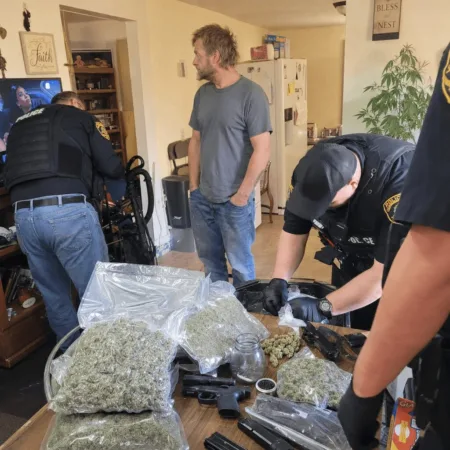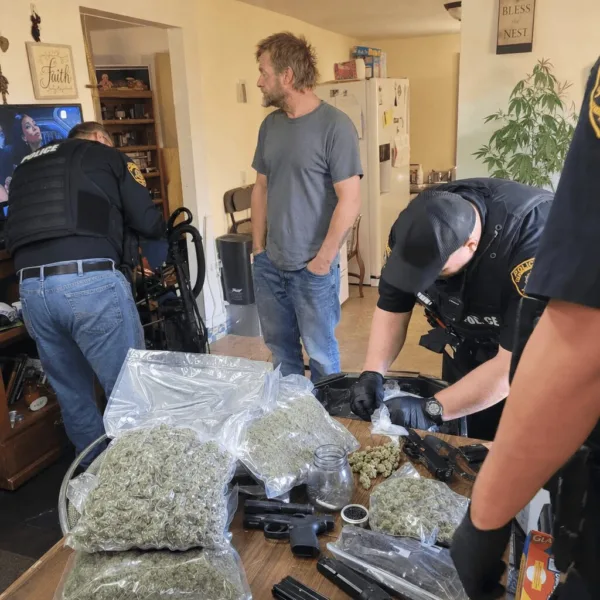





Louisiana cannabis felony bill: Shocking Senate Update
Right now, the spotlight’s on the Louisiana cannabis felony bill, an issue hitting home for producers, patients, and just about anyone with a stake in the Bayou State’s plant scene. Recent moves in Baton Rouge carry huge implications—from the risk of serious legal penalties to the struggle for common-sense cannabis reform. As lawmakers stir serious controversy, everyone from industry insiders to working-class citizens is watching how this play unfolds. Here’s what went down, and why the Louisiana cannabis felony bill matters more than ever in our quest for justice, clarity, and a fair shake for cannabis in Louisiana.
Background: The Changing Cannabis Landscape in Louisiana
The battle over cannabis in Louisiana is nothing new, but it’s gotten way more real in recent years. State law has evolved (NOLA.com: 2024 law changes), with expanded medical access and cautious steps toward decriminalization in certain parishes. Still, the patchwork of regulations leaves major gray zones. This is a state where a handful of grams can put your freedom on the line, while over the border, some Americans stroll into sleek dispensaries. According to The Marijuana Policy Project, Louisiana has long lagged behind states like Colorado or Illinois, slowly moving toward reform but always with its own unique hurdles. That includes persistent stigma, uneven enforcement, and a political climate slow to embrace meaningful change. Concerns about theft and enforcement have also sparked discussion in other communities—such as when farm-related incidents led to calls for increased protections in places like Chatham County and beyond. Right now, the Louisiana cannabis felony bill represents both the anxieties and hopes swirling around cannabis policy here: will lawmakers double-down on criminalization, or finally catch up to the rest of the nation?
Key Developments & Issues: Senate Moves Forward on the Louisiana Cannabis Felony Bill
The latest news has brought the Louisiana cannabis felony bill to center stage. On May 14, 2024, the Louisiana Senate made a surprise move, advancing legislation that could send cannabis users to jail for simple possession. If signed into law, this bill would sharply increase felony classifications for repeat cannabis offenders, even for minor, nonviolent possession. The bill is backed by several state senators, including key figures on the Senate Judiciary Committee, and passed out of committee with little warning. Industry advocates and civil liberties organizations have sounded the alarm. The Marijuana Policy Project recently reported on the bill’s progression, highlighting that consumers found with any cannabis, no matter the amount, could face harsh new penalties. This measure directly impacts medical patients too, making it even more urgent to clarify the law. Meanwhile, Louisiana’s medical cannabis program continues to grow, with LSU AgCenter and Southern University playing major roles. Legal advocates warn that increased felony risks could push consumers into the illicit market, putting both livelihoods and public health on the line. The evolution of cannabis law developments in nearby states, such as changes to federal marijuana rules, can also inform local debates; for example, federal reclassification has sparked similar conversations elsewhere. All eyes are now on the full Senate vote, expected by the end of the legislative session.
Expert Analysis, Insights, & Pro-Cannabis Counterpoints
This push for tougher cannabis penalties stands out for all the wrong reasons. While the rest of the country leans toward sensible cannabis regulation, Louisiana risks doubling down on outmoded criminal justice strategies. According to analytics from NORML, felony convictions for personal use are disproportionately harmful, leading to incarceration, loss of civil rights, and lifelong barriers to employment. The harsh stance in the Louisiana cannabis felony bill is out of step with what science, economics, and basic fairness suggest.
“It makes no sense to continue criminalizing people for something safer than alcohol, which is regulated and taxed across much of the country,” says Karen O’Keefe, director of state policies for the Marijuana Policy Project (MPP staff page). “These outdated felony penalties only fuel cycles of poverty and incarceration, especially in Black and working-class communities. Legalization and sensible policy work. We’ve seen it time and again.”
The timing couldn’t be more off. Industry data shows Louisiana’s licensed medical program has expanded access for tens of thousands of patients since 2022 (KATC News). Public opinion is shifting too; recent polling shows a strong majority of residents now support treatment over jail time for nonviolent cannabis offenses. Looking to national trends, the progress in states such as New Hampshire, where patient numbers have surged with supportive policy, offers a case study—for instance, the rapid growth of medical marijuana patients in NH. Instead of returning to harsh punishments, reformers are urging lawmakers to catch up with states like Missouri and Maryland, both of which have embraced decriminalization and are reaping economic rewards.
Future Outlook & Conclusion: Hope for Louisiana’s Cannabis Community
While the current push for the Louisiana cannabis felony bill feels like a flashback to the War on Drugs, the bigger story is one of resilience and progress. Market forces, expanding medical access, and social acceptance are driving the state towards a brighter, more rational approach. Cannabis industry experts, like those featured in Leafly News, remain confident that grassroots momentum can flip the script in the months ahead. Ultimately, the Senate’s decision on the Louisiana cannabis felony bill will help define the industry’s direction—and show whether Louisiana is ready to join the majority of Americans in embracing smart, compassionate cannabis reform. No matter the outcome, advocates aren’t backing down. The plant’s future in the Pelican State is being written right now. Stay tuned—and stay hopeful.
Originally reported by: blog.mpp.org