



Kentucky medical cannabis application made easy—what to know
The Kentucky medical cannabis application process is grabbing attention lately, and for all the right reasons. Recent news shows Kentucky patients are finally seeing more accessible routes to medical cannabis. New laws and progressive clinics in Lexington are breaking down barriers, a big move since long wait times and complicated red tape once ruled. From dispensary doors swinging open to local businesses stepping up, this is about health, empowerment, and a new era for Kentucky cannabis. If you’ve wondered about applying, changing regulations, or what a patient-friendly process looks like, read on to find your answers.
Kentucky Cannabis Laws: How We Got Here
The road to a smoother Kentucky medical cannabis application process has been a wild one. For years, patients and advocates battled restrictive laws and social stigma. In 2023, Kentucky signed SB 47 into law, legalizing medical cannabis access for qualifying conditions, and launching an official state registration system. This pivotal change made Kentucky the 38th state to join the medical cannabis movement. The law, praised by advocacy groups like NORML, opened new opportunities but also introduced fresh hurdles, such as licensing bottlenecks and a learning curve for both patients and providers. According to the Kentucky Public Health Coalition, public support and shifting attitudes are driving demand for a more transparent, user-friendly medical cannabis program. For patients specifically looking for step-by-step assistance, Lexington now features resources tailored to the medical cannabis card process. Around 60% of Kentuckians now support legal access for medical purposes, making it clear this isn’t a niche issue, it’s mainstream.
Lexington’s Application Journey: Recent News & Core Issues
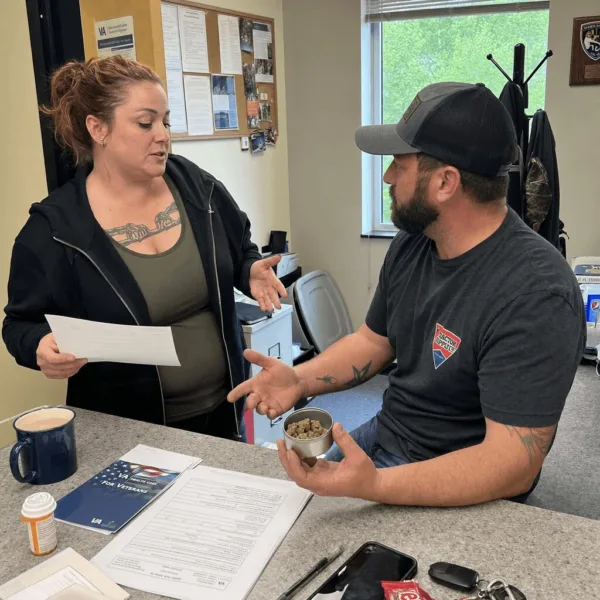
On October 29, 2025, WKYT reported a growing trend: Lexington businesses are stepping in to help patients cut through bureaucratic headaches that have slowed down the Kentucky medical cannabis application process. Patients, many in chronic pain or dealing with cancer, have struggled with confusing paperwork, inconsistent feedback from clinics, and a lack of clear guidance on what documentation is legit. Specifically, GreenBridge Health Collective in Lexington has become a local hero, launching personalized walk-in application assistance this fall. Many patients, young and old, found themselves stymied by background check delays, doctor’s note discrepancies, and unclear fees.
The Kentucky Department for Public Health responded by releasing streamlined guidelines meant to de-mystify the steps. Additionally, as discussed in recent survey insights into everyday cannabis users, the community is adapting quickly. Still, according to speakers at a recent Fayette County town hall meeting, some clinics remain ill-prepared to help newcomers. This leaves grassroots organizations and hands-on staff to bridge the gap, often educating both patients and skeptical physicians on the spot. The surge in demand is no surprise, considering that since the rollout, application volumes have doubled compared to last quarter. Real change is rolling in, powered by people on the ground.
Expert Insights: Real Progress, Human Hurdles in the Kentucky Medical Cannabis Application Experience
Honestly, what’s happening in Kentucky fits a national trend: states that legalize, then discover road bumps before true access is realized. The Kentucky medical cannabis application journey reflects wider patterns seen in places like Missouri and Illinois, where well-meaning laws hit practical snags. But Kentucky’s cannabis community isn’t backing down, and these challenges create strong, knowledgeable patient advocates.
As Dr. Amanda Bailey, a respected voice from the Marijuana Moment, explains, “Statewide acceptance of medical cannabis was just the first hurdle. True success is measured by how easily actual people get what they need, without feeling lost or judged. Kentucky’s learning curve is real, but so is the community’s determination.”
This grassroots energy, which is also being discussed as communities adjust after larger legal disruptions in the cannabis market, feels like old-school community organizing. Yes, the red tape can be a buzzkill, but the upside is palpable: patients are empowered, education is happening at the street level, and stigma is fading. Compared to bureaucratic horror stories from other states, Kentucky’s willingness to adapt is a good sign for lasting reform.
Looking Forward: Why Kentucky’s Cannabis Momentum Matters
The Kentucky medical cannabis application process may still have a few knots, but real progress is tangible. We’re witnessing an unprecedented collaboration—between lawmakers, clinics, patients, and advocates—pushing for access that’s safe, legal, and practical. As reported by the Leafly News, states that listen and iterate see the most sustainable program growth, and Kentucky is now on that curve. More clinics are training their teams, new educational resources are popping up, and each completed Kentucky medical cannabis application means someone’s quality of life could get better.
The stigma once attached to cannabis is breaking down faster each month. Families, doctors, and lawmakers are seeing the real stories behind those applications. With every step toward easier access, Kentucky cements its place as part of a national, compassionate trend. Expect more innovation, fewer hurdles, and—best of all—a system that actually puts patients first. The Bluegrass State is dialing in how to make medical cannabis work, one honest interaction at a time.
Originally reported by: wkyt.com