




Shocking Marijuana Trafficking Arrest Leaves Community Stunned
The cannabis world isn’t just about dispensaries, dabs, and dank buds anymore. The marijuana trafficking arrest in this case has stirred up waves, especially with legalization debates burning hot and markets in rapid flux. With authorities recently detaining suspects linked to large-scale cannabis transportation, local residents are demanding answers. This story dives into what happened, why it matters, and what it signals for both cannabis advocates and critics alike. Expect informed context, straight talk, and real insights on this marijuana trafficking arrest impacting our community landscape right now.
Background: The Legal & Social Terrain of Marijuana Trafficking Arrests
The backdrop for any marijuana trafficking arrest today is a tangled web of laws, shifting public opinion, and a thriving legal marketplace. While more than half of U.S. states have legalized either medical or recreational marijuana, federal law still classifies cannabis as a Schedule I substance. According to the National Organization for the Reform of Marijuana Laws (NORML), this patchwork of regulations creates confusion on both sides of the green line. Law enforcement’s focus has shifted from individual users to larger trafficking cases, with state and federal agencies collaborating in ways both helpful and controversial. The rise of commercial cannabis operations has further blurred lines, with local dispensary regulations in communities like Upper Township showing how transporting cannabis can be either routine business or a major legal headache, depending on the state border you cross. Meanwhile, public sentiment, according to recent Pew Research Center polling, shows overwhelming support for legalization, but that hasn’t always toppled deeply-entrenched law enforcement traditions, especially around trafficking and interstate movement.
Key Developments: Details of the Recent Marijuana Trafficking Arrest
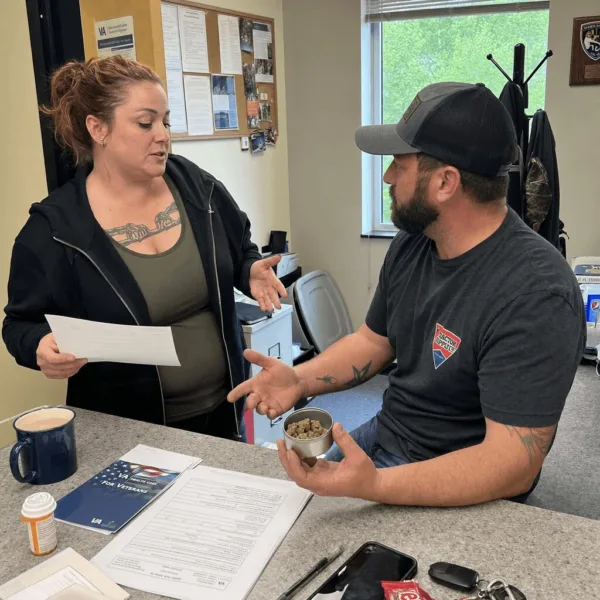
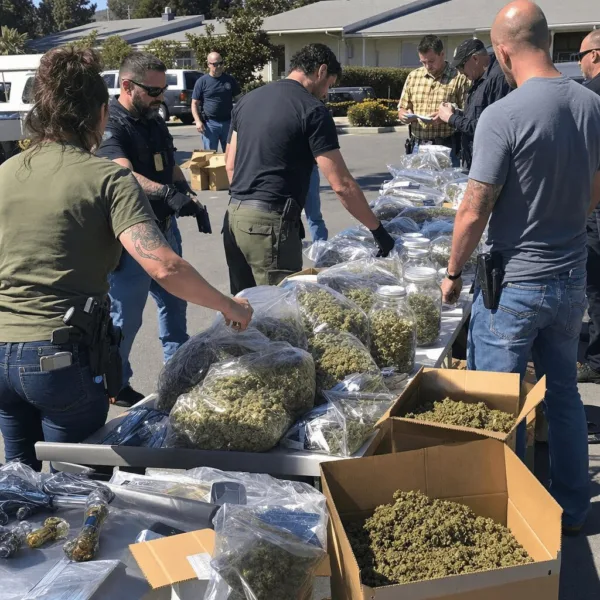
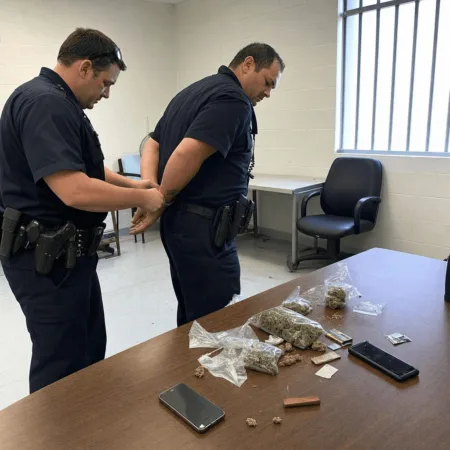
The most recent marijuana trafficking arrest, as reported by local station KESQ, unfolded on October 29, 2025. Two suspects were detained next to an unmarked van during a routine roadside stop in a typically quiet suburban patch. Officers uncovered more than 50 pounds of processed cannabis packed in commercially sealed bags, clearly intended for sale rather than personal use. The van also contained boxes marked by telltale cannabis-leaf motifs. Police cited probable cause for the search, pointing to prior tips and “suspicious driving patterns.” Both individuals now face felony charges connected to the illegal transportation and intent to distribute marijuana, a serious offense under state law, despite growing normalization of the plant’s use. For comparisons to high-profile individuals facing marijuana-related legal issues, the recent case involving NBA player Brandon Williams illustrates how such arrests remain hotly debated. No firearms or violent activity were involved, setting this event apart from historically more dramatic busts. The implications are complex, especially as law enforcement balances public safety with evolving cannabis regulations. The community’s reaction, ranging from moral outrage to frustration with outdated laws, reflects the ongoing debate in similar incidents nationwide, a trend highlighted by coverage from resources like Leafly News.
Expert Analysis and Broader Cannabis Industry Insights
From an industry insider’s lens, this marijuana trafficking arrest highlights how far regulation still lags behind the business realities and public sentiment. Most operators dream of opening legal storefronts, not playing cat-and-mouse with the law. Yet, persistent gaps between state legalization and federal restriction create costly hurdles. Renowned cannabis attorney Hilary Bricken explained in a recent analysis: “These incidents stem from regulatory gray areas. Even well-intentioned businesses can stumble into legal quicksand because the rules change at every state line.” As the state of cannabis business funding in New York has demonstrated, policy gaps can stall legitimate growth and amplify enforcement. That’s a sentiment echoed by the MJBizDaily Legal & Regulatory Report, which points to a dramatic surge in enforcement actions where local regulations are tight but market demand is booming. For the cannabis community, this isn’t just about legal jeopardy, it’s about repairing trust. Supply-chain transparency, track-and-trace systems, and financial compliance tools have reduced illicit activity, but unresolved policy gaps keep legacy enforcement alive. Real talk, nobody wants to see safe access interrupted, but protecting both consumers and communities requires clear, modernized law—something widely advocated by experts and industry leaders alike.
Looking Ahead: Hope for Smarter Laws and Industry Evolution
Every marijuana trafficking arrest is a wake-up call for policymakers, business owners, and the broader community. Looking forward, there’s plenty of reason for optimism—regulated access, public education, and pragmatic lawmaking are all advancing. States such as Illinois and New York have recently overhauled enforcement priorities, focusing on safety and equity while reducing penalties for nonviolent cannabis offenses—moves documented by Marijuana Moment. As social acceptance swells and the market continues to mature, the onus is on legislators to close the gap between law and lived reality. The next decade promises smarter regulations, better-informed consumers, and thriving legal markets, all buoyed by real innovation and community input. For those impacted by events like this recent marijuana trafficking arrest, hope isn’t just a blunt sentiment—it’s grounded in real progress and possibility. Cannabis culture isn’t going anywhere; it’s just growing up, finally catching up with the times.
Originally reported by: kesq.com
1 Comment
Pingback: Kentucky medical cannabis card—Easier Access in Lexington