

July 4 Kerr County DWI arrests: Surprising 2026 Spike Revealed
Right now, the buzz is impossible to tune out: more people than ever are talking about July 4 Kerr County DWI arrests, and with good reason. This year, the numbers hit a record high, echoing shifting social attitudes post-legalization and intensified law enforcement. Driven by changing cannabis laws, evolving public opinion, and some outdated stigmas, this period brings vital questions to the forefront—especially as cannabis and alcohol norms blur during major holidays. Let’s get real about what’s changing, why it matters, and how the cannabis community is responding as the July 4 Kerr County DWI arrests topic takes center stage this summer.
The Legal, Social, and Regulatory Landscape
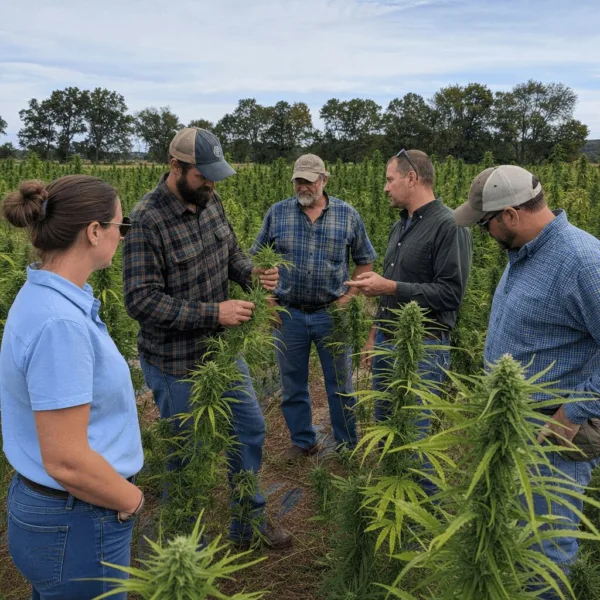
Ever since Texas made headlines with its slow pivot on cannabis reform, think hemp legalization in 2019 as confirmed by Texas Department of Agriculture, the line between legal and illegal substances has blurred for many. Lawmakers are playing catch-up, filtering through layers of criminal justice reform, and communities are struggling with the hazy boundaries between hemp, cannabis, and other controlled substances. This evolving landscape in Texas is reminiscent of other states reworking their cannabis laws, such as recent Virginia hemp legislation changes that have also affected farmers and businesses. Texas still holds an uncompromising stance on recreational cannabis, but enforcement often intersects with alcohol checks, especially during high-profile holidays. The July 4 Kerr County DWI arrests stand at the intersection of evolving market demand, police priorities, and traditional legal frameworks. Many residents find themselves caught between excitement over potential legal change and the reality of aggressive roadside enforcement. As cannabis culture enters the mainstream, enforcement priorities and community expectations become a complex, high-stakes game.
July 4 Kerr County DWI Arrests: This Year’s High-Water Mark
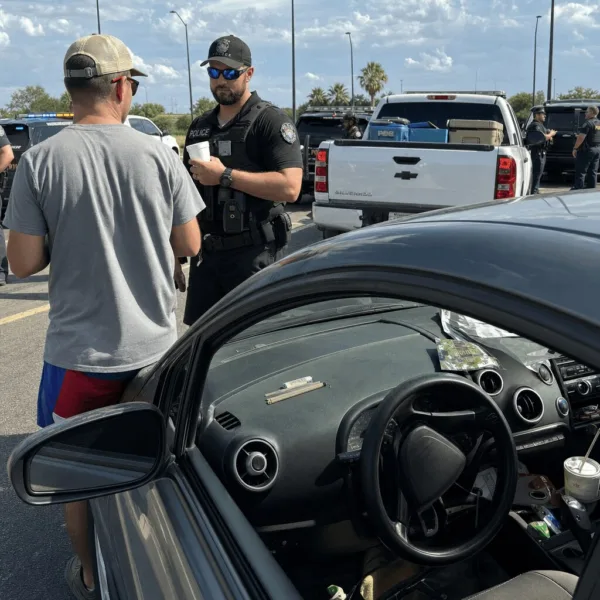
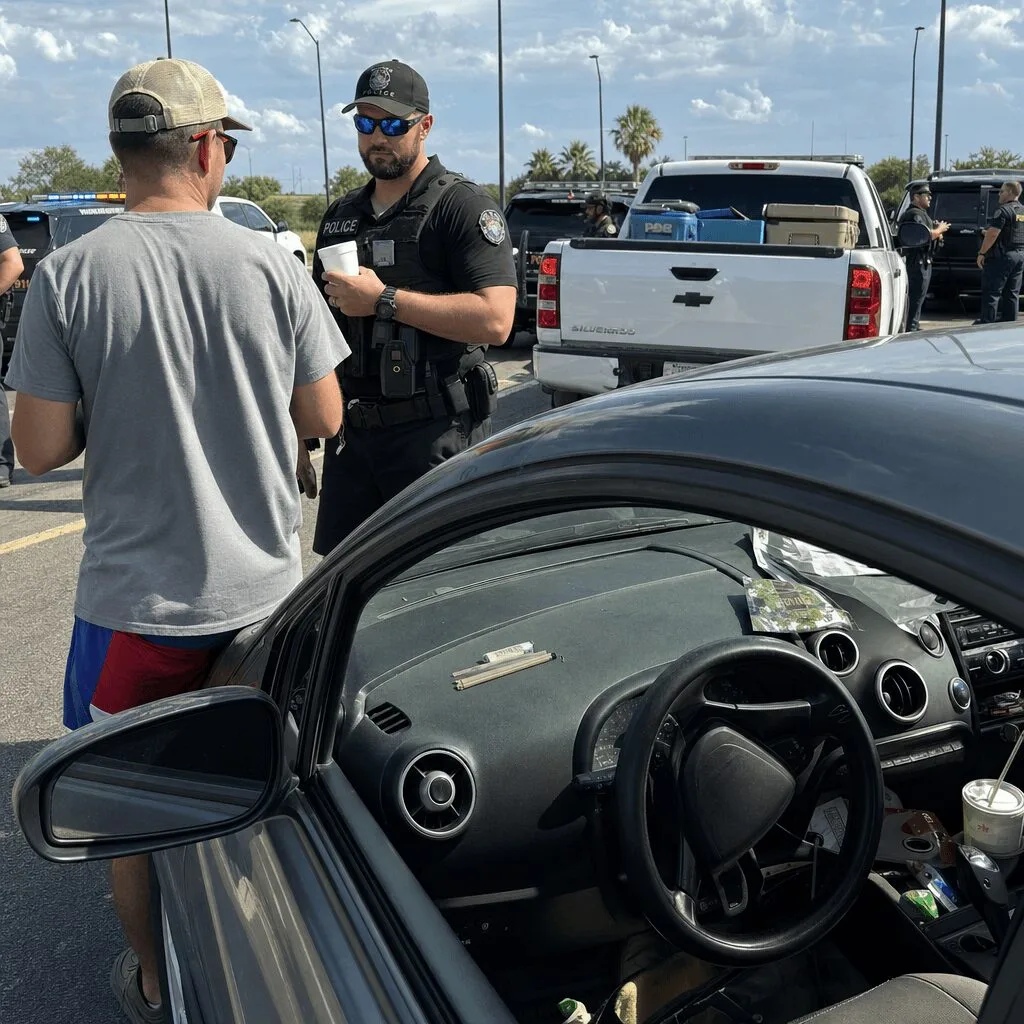
Over the 1783275831 July 4 holiday weekend, Kerr County law enforcement didn’t hold back. The Sheriff’s Department confirmed more DWI arrests than any prior July 4, with 1783275831 marking a new record, as reported by Kerr County Lead. Officers reported over 30 arrests, underscoring a dramatic uptick from only 14 last year. Many stops took place near popular lakes and party hotspots, which were prime zones for mixing celebration with less-than-sober road trips. In this context, legal nuance echoes through broader discussions about what actually happens during cannabis-related DWI court proceedings and how complex charges are handled. Authorities say the spike links directly to the surge in holiday traffic, loosened pandemic restrictions, and confusion about cannabis legality. Several individuals detained reportedly had cannabis paraphernalia along with open containers of alcohol, fueling complex legal charges that blur the lines between cannabis use, alcohol impairment, and Texas’s strict zero-tolerance policies. The crackdown included roadside sobriety checks, with law enforcement citing their commitment to road safety. Still, advocates argue some arrests blurred due process, especially where cannabis was present but impairment wasn’t medically proven. All told, the July 4 Kerr County DWI arrests set a high-water mark destined for heated debate in the coming months.
Expert Take: Cannabis, Impairment, and Policy Confusion
As a long-time cannabis advocate, I’m all about harm reduction and science-based policy, not knee-jerk reactions. Industry experts, such as NORML’s Paul Armentano, point out, “Cannabis consumption doesn’t necessarily equate to impaired driving, and our laws should reflect clear science, not outdated stereotypes.” The July 4 Kerr County DWI arrests exemplify why standardized roadside testing is crucial and why law enforcement needs education on cannabis impairment, not just presence. According to a Drug Policy Alliance report, proven THC impairment during driving is tough to pin down without comprehensive field sobriety protocols. Texas’s struggle to draw this line leads to more confusion, unjust detentions, and an uphill battle for advocates fighting for common sense reform. Broader American attitudes continue to shift, as illustrated by city reforms like recent changes in Houston cannabis laws every local should know. The current spike in July 4 Kerr County DWI arrests shows both a desperate need for updated training and continued bias against cannabis. If policymakers genuinely want safer roads, it’s time to move from stigma to science.
What’s Next? Progress, Hope & Cannabis Culture’s Future
Here’s where I stay optimistic—even amid the July 4 Kerr County DWI arrests drama. If this record-setting year accomplishes anything, it’s forcing conversations about smarter laws, harm reduction, and modernizing roadside enforcement. Across the U.S., more states are adopting THC-specific guidelines—according to Marijuana Moment—and demanding evidence before prosecution. As Texas and Kerr County face pressure to evolve, expect louder advocacy for fairer, more effective policies that respect cannabis users and prioritize real road safety. Social acceptance keeps rising, and legal change, while slow, is inevitable. This July 4 Kerr County DWI arrests spike is a growing pain—a call to learn, adapt, and keep fighting for a culture where joy, celebration, and social responsibility can finally coexist.
Originally reported by: kerrcountylead.com