

Virginia recreational cannabis law: What You Need to Know Now
The Virginia recreational cannabis law has never been more relevant or talked about. With the state finally green-lighting retail cannabis sales, Virginia is making headlines and setting new expectations for adult-use legalization. There’s a fresh wave of energy, anticipation, and just a hint of nervous excitement as residents and businesses adapt to the rapidly evolving legal cannabis landscape. In this guide, we’ll break down what’s happening now, why it matters to you, and how it reflects larger shifts in both local and national cannabis culture. Whether you’re a newcomer, long-time enthusiast, or just curious, understanding the Virginia recreational cannabis law is essential in 2024.
Background: How Virginia’s Cannabis Laws Evolved
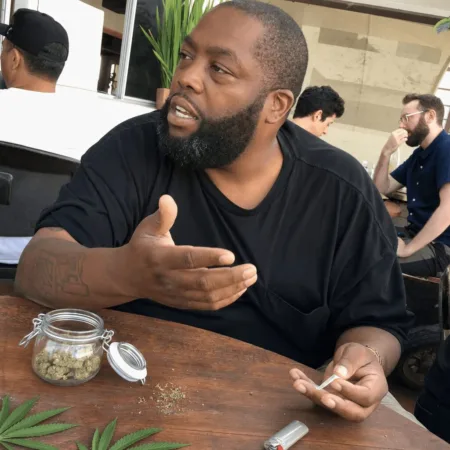
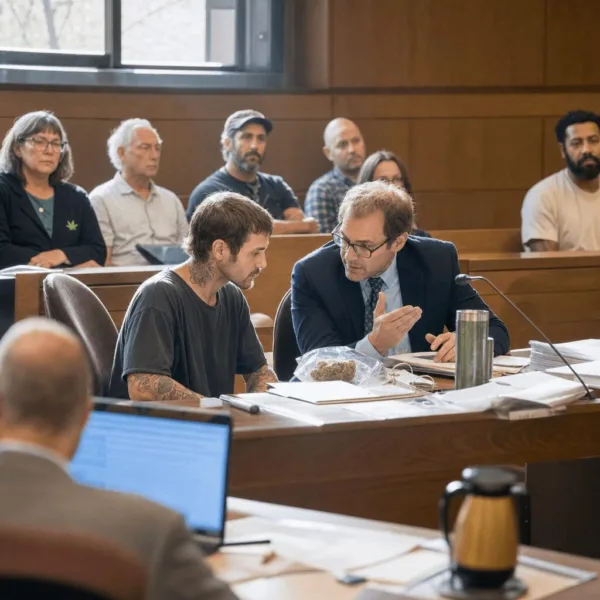
Let’s set the scene. For much of its history, Virginia held tight to prohibition-era cannabis policies, reflecting broader U.S. attitudes stretching back decades. Then, tides began turning. According to NORML, medical use was first permitted in 2020, marking a key inflection point as residents began pushing for broader reforms. The next major leap, adult-use legalization in 2021, when Virginia became the first southern state to approve personal possession and home cultivation for adults 21 and over. However, while possession quickly became legal, retail sales remained in legal limbo for years. Across this evolving landscape, stories of local disputes—such as those involving roommates in the cannabis community with wider implications for the industry—highlighted how enforcement and legal ambiguity defined the era. Strict regulatory debates, tax frameworks, and social equity provisions stalled the process, keeping eager consumers in a holding pattern until very recently. All of this played out amid a nationwide wave of legalization, as our neighbors to the north and west embraced regulated cannabis markets and inspired both hope and skepticism locally. Today, Virginia stands at a pivotal crossroads, its recreational cannabis law serving as both blueprint and cautionary tale for future state-level reforms.
Key Developments: Recent Milestones and Industry Changes
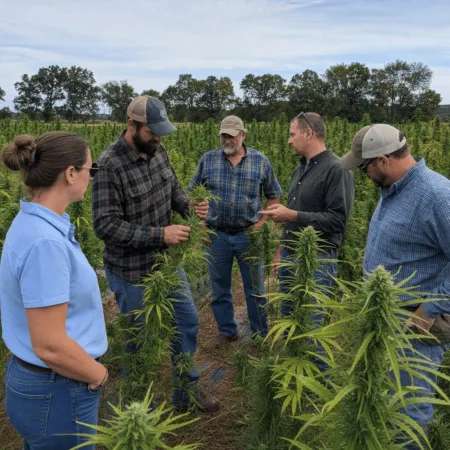
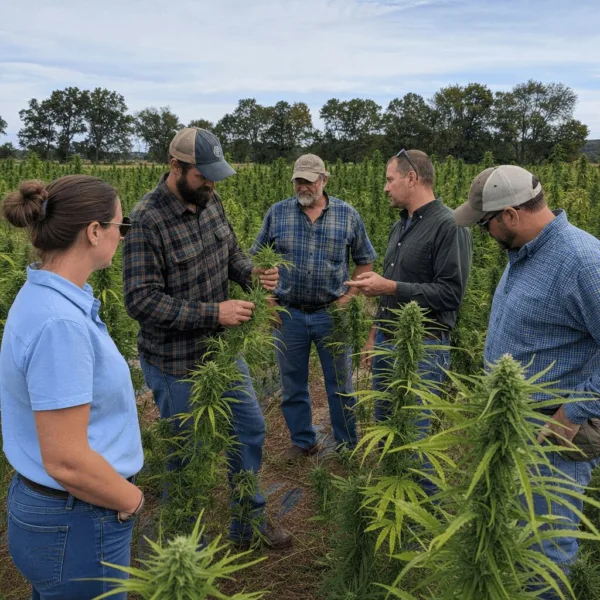
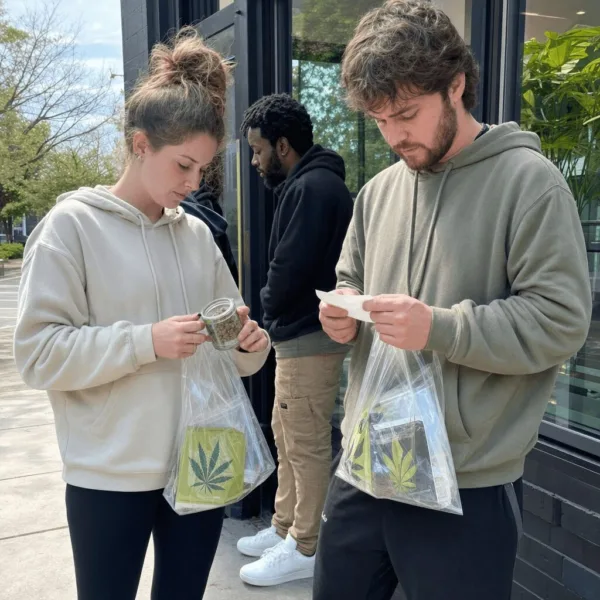
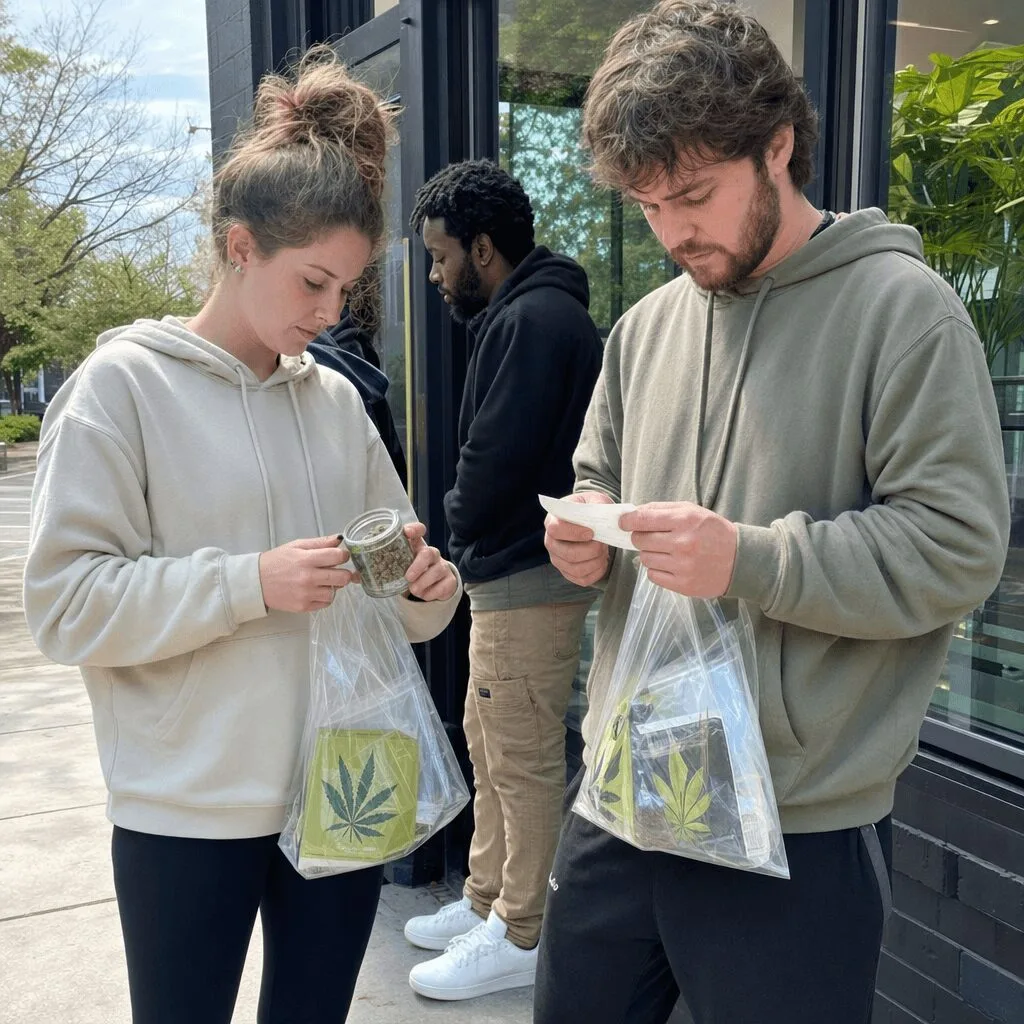
Fast forward to July 2026, the big milestone arrivals. On July 1st, regulated sales of recreational cannabis officially began throughout Virginia, ushering in a new reality for consumers and business owners alike, according to coverage by The Washington Post. Brick-and-mortar dispensaries, including locally-grown operations and major national brands, opened doors to lines of eager, law-abiding adults. Under the new Virginia recreational cannabis law, adults 21+ can legally purchase up to one ounce of flower, a range of infused edibles, and concentrates, with all products subject to strict state testing standards. This transition echoes trends seen elsewhere, where infused products are attracting attention nationwide—recently highlighted by the growing popularity of cannabis-infused beverages. Notably, the law includes robust social equity provisions: priority licensing for communities historically impacted by cannabis prohibition, plus funding for education and reentry services. Licensed dispensaries must comply with stringent consumer safety, security, and transparency standards, like visible lab results on packaging, ID verification tech, and comprehensive employee training. Regulatory oversight comes from the Virginia Cannabis Control Authority, created in 2021 and tasked with everything from supply chain compliance to consumer education efforts. Throughout the rollout, state and local authorities are closely monitoring compliance and market health. As of 2026, early reports suggest brisk legal market sales, robust consumer demand, and ongoing adjustments as market dynamics settle out. It’s a lot, but it’s real, and it’s finally here.
Expert Analysis: What the Law Really Means (and Why It Matters)
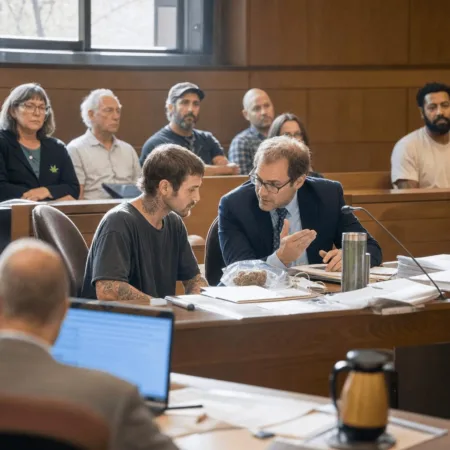
The Virginia recreational cannabis law represents a seismic shift, not just for local consumers but for the national dialogue around responsible legalization. Legal sales mean better access to tested, regulated products and less chance of consumers getting caught up in outdated criminal penalties. Virginia’s approach has been shaped by both lessons and pitfalls from earlier legal states. Industry leaders agree that prioritizing social equity is essential: “This market only works if we center those who were most impacted during prohibition, anything less isn’t real progress,” says Shanita Penny, a recognized cannabis advocate and regularly featured expert in Leafly and other trusted sources. The new rules around testing, employee training, and licensing also signal Virginia’s intent to maintain high trust and transparency. The rollout hasn’t been without growing pains; logistical hiccups, tight regulations for edibles, and ongoing debates about tax rates and revenue distribution have sparked thoughtful conversations. For those interested in real-world impacts—like how DWI cases involving cannabis are processed—recent trends are explored further in analysis of court proceedings and legal landscapes. What’s clear is the signal Virginia’s sending to its neighbors: careful legalization that values public health, safety, and justice is both feasible and forward-thinking. The Virginia recreational cannabis law is now establishing a regional standard for Southern states watching closely.
Future Outlook: What’s Next for Virginia’s Cannabis Scene
So, what’s next for those living and vibing under Virginia’s new recreational cannabis law? While the initial months showcase healthy sales, positive consumer experiences, and fewer cannabis-related legal headaches, there’s still room for growth. State agencies will keep fine-tuning regulations—especially as they address concerns about access, impaired driving, and disparities in business ownership. The social stigma continues to fade as more Virginians see legalization in action: safer products, reinvestment in communities, and a distinct sense of freedom that goes far beyond getting legally lit. Industry analysts from Marijuana Moment forecast continued market expansion, job creation, and normalized adult usage throughout 2024 and beyond. Ultimately, Virginia’s choices today shape not just local communities, but future policy across the South and entire country. If this launch is any indication, Virginia’s cannabis future looks bright, regulated, and—for the first time in decades—remarkably inclusive. Stay tuned, stay safe, and stay curious. The Virginia recreational cannabis law is just getting started.
Originally reported by: washingtonpost.com