

Jonesboro drug trafficking arrests: Major task force bust revealed
Jonesboro isn’t just making headlines in the cannabis community—this time, it’s front and center with the recent Jonesboro drug trafficking arrests that have the whole industry and local community buzzing. With increased law enforcement presence and shifting cannabis legislation across the country, these high-profile arrests are shining a spotlight on the crossroads between policy, public safety, and evolving social attitudes around cannabis. Today, we’ll break down what led to the arrests, what it means for the cannabis game in Arkansas, and why this issue is way bigger than just another headline about Jonesboro drug trafficking arrests.
The Regulatory Maze: Cannabis Laws and Community Tensions
The Jonesboro drug trafficking arrests didn’t happen in a vacuum. Cannabis laws in Arkansas remain some of the most debated in the South. Medical cannabis is legal, but the state maintains strict controls over cultivation, distribution, and possession, as explained in the Arkansas government’s official portal. Recreational use is still off the table, and trafficking is prosecuted aggressively. Socially, Arkansas sits at a transitional point, where medical patients advocate for wider acceptance, but community leaders fret about illegal trade fueling safety concerns. Recent incidents, such as misdemeanor arrests for marijuana during routine traffic stops, reflect how enforcement trends can influence community sentiment, as discussed in this report about a man fleeing a marijuana-related traffic stop. This constant tug-of-war influences how police, regulators, and everyday citizens respond to news like the Jonesboro drug trafficking arrests.
Industry reports from Marijuana Moment detail how southern states face unique challenges balancing enforcement and reform, especially with border states relaxing cannabis laws. As a result, any high-profile bust instantly becomes a talking point about where the line should be drawn between regulation, prohibition, and reform. It’s not just about what’s legal, it’s about how those laws shape lives daily.
Arrest Details: The Bust That Sparked the Jonesboro Drug Trafficking Arrests Story
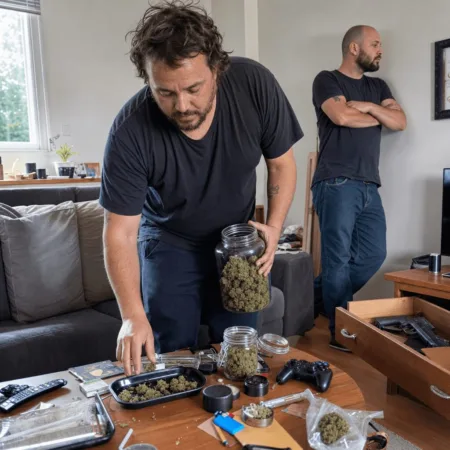
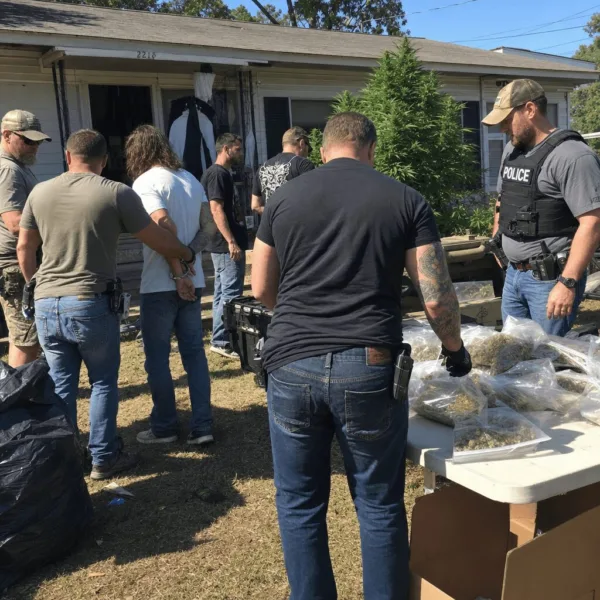
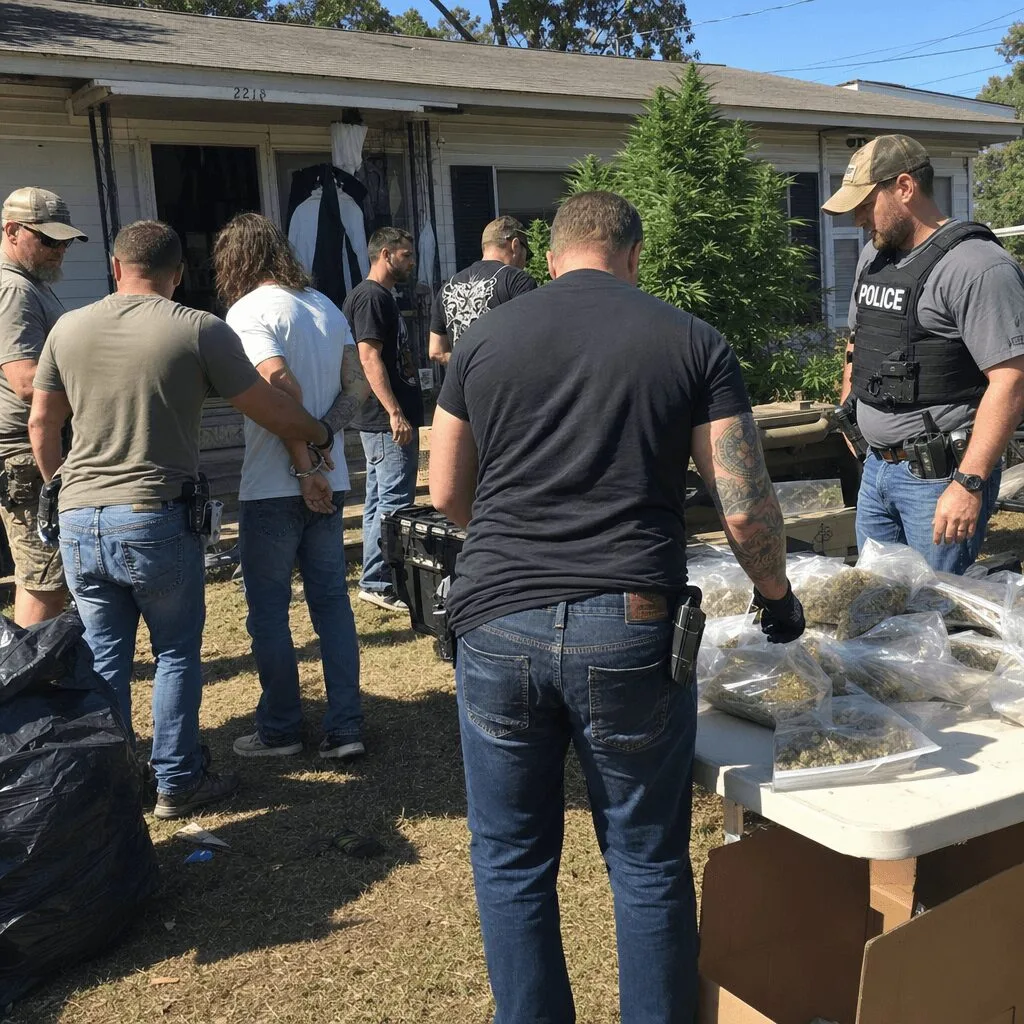
According to a report from KAIT8 News, the Jonesboro drug trafficking arrests took place after an undercover operation led by a regional drug task force. On July 6, 2026, law enforcement officers moved in on a modest Jonesboro home, detaining five men on suspicion of multi-state trafficking, weapons charges, and child endangerment. Officers reported seizing several pounds of cannabis in large plastic bags, firearms, and cash, which provided clear evidence supporting the serious charges laid out in public court filings. These events mirror broader trends in how felony firearm possession sentencing is handled in cannabis-related cases, as seen in recent analyses on cannabis and crime.
Officials emphasized that the operation came after weeks of surveillance and tip-offs from community members. The men arrested are facing felony trafficking counts under current Arkansas statutes, which carry significant mandatory minimum sentences, according to NORML’s summary of Arkansas law. The task force, a collaboration between Jonesboro P.D., county deputies, and federal agents, stated their goal is to disrupt large-scale trafficking networks operating in the region. The Jonesboro drug trafficking arrests are now at the center of a much larger conversation about enforcement priorities and the persistent presence of illicit cannabis markets despite tightly controlled legal access.
Industry Insight: Why Jonesboro’s Cannabis Struggle Signals a Bigger Issue
The ripple effect from the Jonesboro drug trafficking arrests can’t be underestimated. Cannabis industry experts have long argued that tough local laws often incentivize underground operations, especially in states hesitant to adopt more progressive frameworks. This mirrors developments in commercial cannabis legalization across other U.S. municipalities, as described in this overview of Chico’s green revolution. As explained in a 2024 analytical feature by Leafly News, prohibition doesn’t kill demand, but rather pushes supply into riskier, less regulated hands.
This irony is not lost on local advocates. Steve Monroe, Arkansas dispensary consultant, shared with Marijuana Business Daily, “When access isn’t safe, the street fills that void. Instead of rewarding registered operators, current policy just stacks up cases like these Jonesboro drug trafficking arrests.”
National data from New Frontier Data highlights that states with strict regulations and slow licensing rollouts often witness black market persistence well after legalization. For everyday users, this saga is a reminder that policy isn’t just about crime—it’s about whether consumers feel safe, where kids are protected, and how the legal market can become accessible, affordable, and inclusive amidst ongoing enforcement challenges.
Looking Ahead: Smarter Policy, Safer Outcomes, and the Path Forward
Sure, the Jonesboro drug trafficking arrests brought some tough questions to the surface, but the cannabis community knows that the future is all about solutions, not just headlines. As more Americans (and Arkansans) support reform—Pew Research found an overwhelming 88% favor at least medical legalization—states will continue to feel the pressure to evolve. The trend is clear: tighter partnerships between law enforcement, harm reduction experts, and licensed operators lead to safer, stronger communities.
If Arkansas modernizes its regulatory approach, embracing wider medical use or exploring responsible adult-use legalization, future incidents like the Jonesboro drug trafficking arrests could become relics of a rapidly changing landscape. For now, the conversation is no longer just about stopping crime—it’s about creating smarter, safer, and more just cannabis policy for everyone calling the Natural State home.
Originally reported by: kait8.com