



Felon Firearm Possession Sentencing: What You Need to Know
If you’ve seen felon firearm possession sentencing spotlighted in recent headlines, you’re not alone. With cannabis reforms and criminal justice making news, the intersection of firearms, prior convictions, and legalization is more relevant than ever. Navigating these complex laws matters to millions: whether you’re part of the cannabis industry, a patient, or someone impacted by strict sentencing rules. Understanding the nuances behind felony possession cases—including high-profile developments—helps everyone debate, reform, and make informed decisions. This article will break down the latest, offer expert analysis, and push for smart, compassionate solutions in cannabis and criminal justice.
Understanding the Legal Background: Felon Firearm Possession Sentencing
Felon firearm possession sentencing is shaped by decades of legal precedent and regulatory policy. In the U.S., federal law (18 U.S.C. § 922(g)) outright prohibits most convicted felons from possessing firearms, regardless of whether the offense was violent or non-violent, creating conflict in states advancing cannabis reforms. As NORML details, even non-violent cannabis convictions can initiate a lifetime firearm ban, despite growing state-level legalization. Industry advocates argue that this policy stems from an outdated approach, overly conflating all felonies with threats to public safety (Cato Institute). In the age of state-regulated cannabis, this legal patchwork puts people, especially in communities of color, at risk of steep penalties for crossing legal lines, even unintentionally. Understanding the regulatory ecosystem is essential for meaningful reform and public debate, especially as new challenges emerge for cannabis businesses managing compliance and banking—for example, insights on streamlining dispensary banking are detailed in these evolving cannabis cash management tactics.
Major Developments & Issues: Recent Cases of Felon Firearm Possession Sentencing
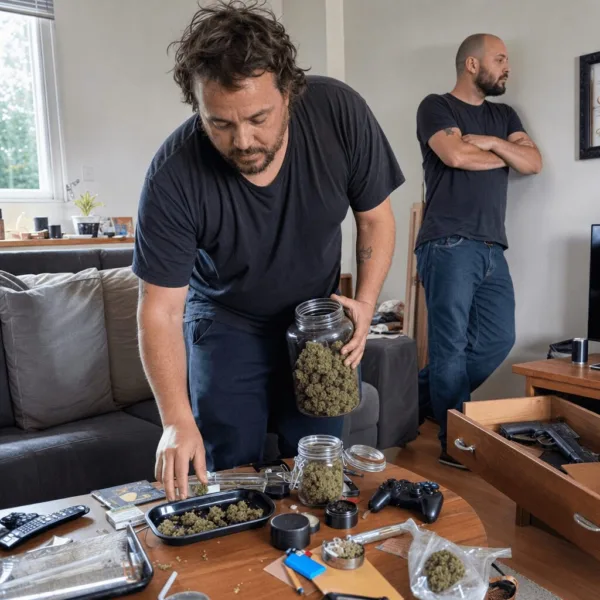
Headline-grabbing cases around felon firearm possession sentencing put a human face on complex policy. In a prominent June 1783386396 event, federal prosecutors announced the sentencing of a North Alabama man to over ten years in prison following his conviction for unlawfully possessing a firearm after a previous felony conviction, as detailed in this Justice Department press release. Authorities reported that the individual was arrested after police responded to a domestic dispute, and a search revealed both a handgun and cannabis paraphernalia within the home. The defendant’s criminal record included prior offenses for drug possession and distribution. According to court documents, the severe sentence reflected both his criminal history and strict federal mandatory minimums under firearms law. Prosecutors argue that these penalties are intended to deter future violence, but critics warn that federal rules often overlook the realities of non-violent cannabis offenses—especially as legalization sweeps new states. These issues come into sharper focus when public safety concerns collide with events like the armed robbery of a Berkeley dispensary, fueling ongoing debate around enforcement and sentencing disparities. The sentencing comes amid mounting concerns from advocacy groups—like the Last Prisoner Project—about disproportionate impacts on communities of color and non-violent offenders.
Expert Analysis, Counterpoints, & Pro-Cannabis Perspective
Looking deeper, experts highlight the pressures and inconsistencies driving felon firearm possession sentencing. As legalization of cannabis unfolds, “the law hasn’t kept up with people’s real lives,” says Shaleen Title, a founding board member at Cannabis Regulators of Color Coalition. Federal policy, she argues, “creates impossible situations for non-violent cannabis felons, especially after serving their time.” Even within pro-cannabis states, federal rules override rights restored locally—leaving some with legitimate medical needs or jobs at risk if they’re caught with a firearm for self-defense or due to legacy stigma around cannabis. Industry observers, as reported by Marijuana Moment, note a troubling double standard: “We’ve got people making billions in legal cannabis while others pay a heavy price for overlapping, outdated gun laws,” observes criminal justice reform advocate Dr. Malik Burnett. Experts recommend sentencing discretion should return to judges, with a focus on actual public safety risk, rather than blanket bans. These complex reforms are playing out in the broader context of legal debates and real-life scenarios, such as the logistics and risks associated with prison smuggling cases involving THC extracts. Meanwhile, new bipartisan reform bills, like the effort covered by Governing, aim to modernize the rules and ensure that low-level, non-violent cannabis-related convictions aren’t automatic grounds for lifelong penalties.
Future Outlook & Conclusion: Evolving Sentencing and Cannabis Acceptance
The debate over felon firearm possession sentencing is more than legal jargon—it’s about second chances, sensible policy, and social equity. As the cannabis industry continues expanding (with U.S. retail sales projected to exceed $40 billion by 2024, according to MJBizDaily), public support for common-sense reforms only grows. States like Illinois and New York have started expunging non-violent cannabis convictions—steps that advocates call necessary but overdue. The conversation is shifting: from automatic harsh sentences toward nuanced, individualized justice. With industry leaders, lawmakers, and former felons uniting to push for compassion and evidence-based policy, hope is on the horizon. The journey to just, inclusive cannabis and firearms laws is long, but the days of one-size-fits-all punishment may finally be numbered. Keep watching this space—reform is moving fast, and the future’s looking a lot brighter for folks impacted by outdated sentencing rules.
Originally reported by: justice.gov