

Shocking Javier Báez WBC suspension: What really happened?
The sports world is buzzing about the recent Javier Báez WBC suspension. With global attention on both baseball and evolving cannabis attitudes, this headline sits at the crossroads of two hot-button topics—athlete conduct on the world stage and how cannabis is perceived in professional sports. As leagues adapt to shifting legal landscapes, every suspension becomes a bigger conversation. We’ll unpack the full story behind Báez’s World Baseball Classic controversy, why it’s trending right now, what it means for cannabis, and where the industry is heading next.
Regulations, Culture, and the Big Picture
To really get the weight of the Javier Báez WBC suspension, you’ve got to grasp both the drug policy framework in pro baseball and the evolving international stance on cannabis. Major League Baseball (MLB) famously updated its drug policy in late 2019 to remove marijuana from its banned substance list, catching up with broader U.S. cannabis normalization. But international tournaments like the World Baseball Classic (WBC) have to juggle multinational laws and national teams, where regulations often lag. The WBC, overseen in part by the World Anti-Doping Agency (WADA), still flags cannabis as a banned substance in certain cases, even as organizations like the WADA re-evaluate their criteria.
At the same time, public attitudes are changing. According to Pew Research Center, nearly nine in ten Americans now support some form of legal cannabis. That kind of momentum puts pressure on sports leagues to adapt, creating a fascinating push-pull at the intersection of law, science, and public opinion. In states making headlines for new licensing rounds, recent New York cannabis licensing approvals help illustrate how local market dynamics are rapidly evolving alongside these global sporting debates.
Key Events: The Suspension, Facts, and Fallout
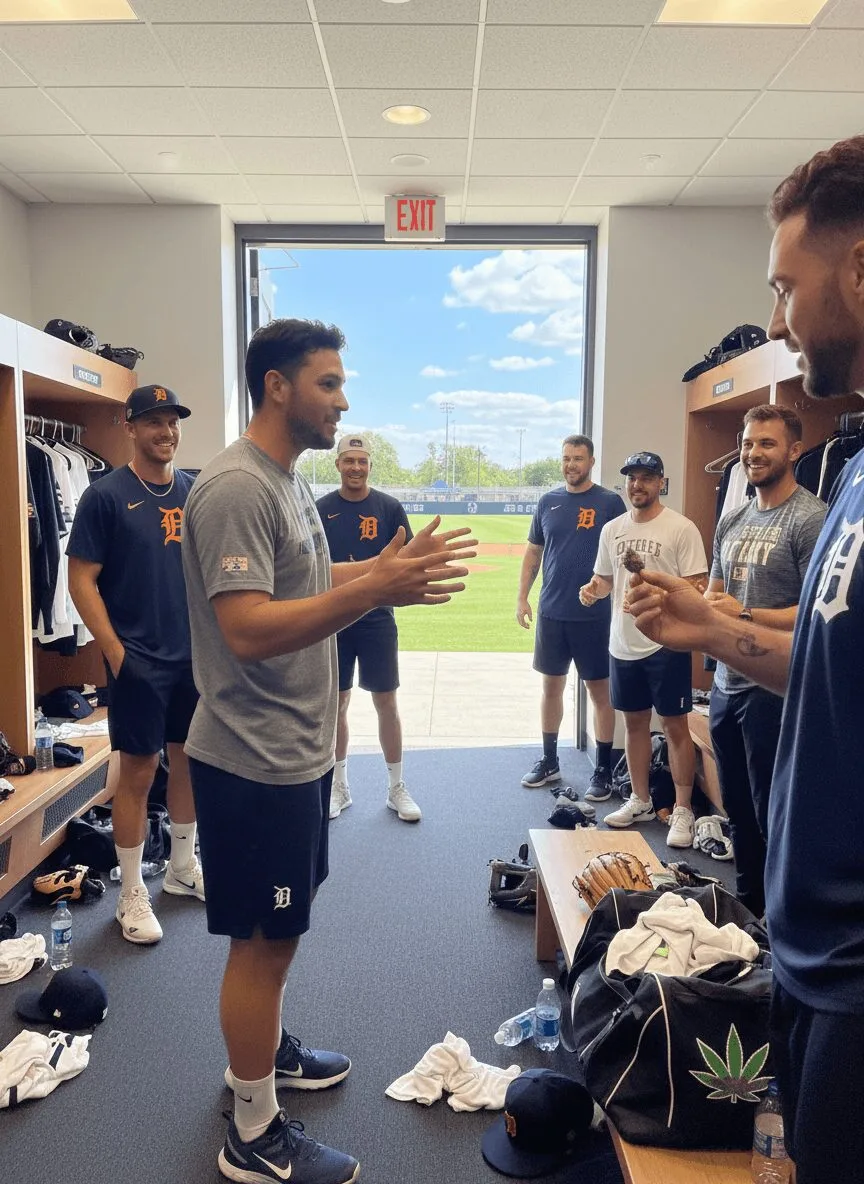
The details behind the Javier Báez WBC suspension are anything but simple. On February 5, 2026, The Athletic (source) reported that Báez, shortstop for the Detroit Tigers and a star on the Puerto Rico national team, was suspended during the WBC after a routine locker room inspection found evidence of cannabis-related material near Báez’s personal items. While the source didn’t specify direct use or impaired play, WBC officials cited their international code, still pegging THC as a banned substance. This led to his immediate suspension from the tournament and drew global headlines not just for the action, but for what it says about the state of sports and cannabis worldwide. Changes in regulations, like those seen in states such as Nebraska, where state agencies are opening medical cannabis licensing, serve as a reminder of the shifting legal environment impacting both local businesses and global competitions.
For the Tigers, there’s organizational fallout too. Club management and union reps have already started consulting both league policy and international legal counsel, per ESPN. Fans, teammates, and the cannabis community are now questioning whether the WBC’s position matches the ethical and social realities of the 2020s. The incident instantly elevated the larger conversation: Should an athlete’s personal use of cannabis in states where it’s legal really carry global sporting consequences?
Industry Perspectives: How the Báez Story Fits the Cannabis Landscape
This incident is a case study in clashing regulations and human reality. Cannabis professionals see the Javier Báez WBC suspension as both a warning and an opportunity. As Dr. Ethan Russo—a globally recognized cannabis clinician and scientist—put it in Project CBD, “Punishing athletes for something less dangerous than alcohol not only fails science, but fails fairness.”
For the multibillion-dollar cannabis industry, these developments are reminders that the patchwork of regulation remains a minefield, especially on the international scene. Major sports leagues in the U.S. are evolving fast: MLB has dropped cannabis penalties, the NBA allows off-season cannabis use, and the NFL is quietly revisiting its own policies. Meanwhile, global events like the WBC continue clinging to outdated notions, highlighting the gap between law and lived reality.
- Experts at Marijuana Moment point out that suspensions like Báez’s risk alienating fans and players, especially younger generations who are overwhelmingly pro-cannabis.
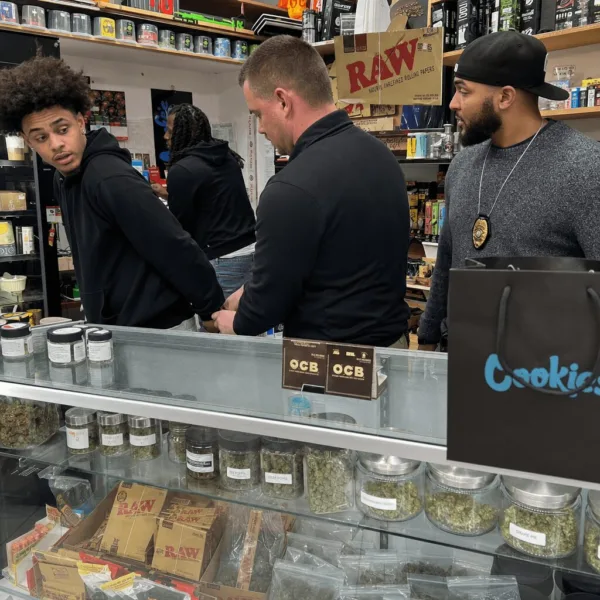
- When new dispensaries, like this recent Meridian Cannabis Dispensary launch, attract diverse customers, it underscores just how fast public acceptance is outpacing legacy sporting policy.
Cannabis stigma is being chipped away, but moments like this show there’s work to be done to ensure sporting policies reflect what we know about health and fairness.
Looking Forward: Beyond the Báez Suspension
The Javier Báez WBC suspension might feel like a throwback headline, but it’s also a spark for change. The outpouring of support for Báez—coupled with shifting league stances and mainstream social acceptance—shows that the cannabis conversation in sports is only getting louder. Regulatory evolution is on the horizon, as groups like the National Organization for the Reform of Marijuana Laws (NORML) push for international updates that match scientific understanding.
The future? Expect more pressure on international sports bodies to scrap outdated penalties and adopt nuanced policies that look at cannabis as medicine, not menace. For players, teams, and fans, these changes will bring more fairness—and fewer headlines that belong in the past. As the cannabis industry continues to grow and mature, it’s only a matter of time before even the World Baseball Classic updates its playbook.
Originally reported by: nytimes.com