



Javier Báez drug test: The Inside Story Shocking the WBC
The buzz around the Javier Báez drug test has set both the sports and cannabis worlds alight. This headline-grabber is more than a tabloid blip—it’s launching conversations about player privacy, evolving attitudes to cannabis, and outdated league policies. As the World Baseball Classic (WBC) faces criticism for its approach to cannabis testing, fans and insiders are left wondering: Is it time for a change? In this article, we’ll break down the facts, look at the legal and cultural climate, and explore what this means for the future of pro sports and cannabis reform.
Changing Winds: Cannabis, Sports Leagues, and the Regulatory Landscape
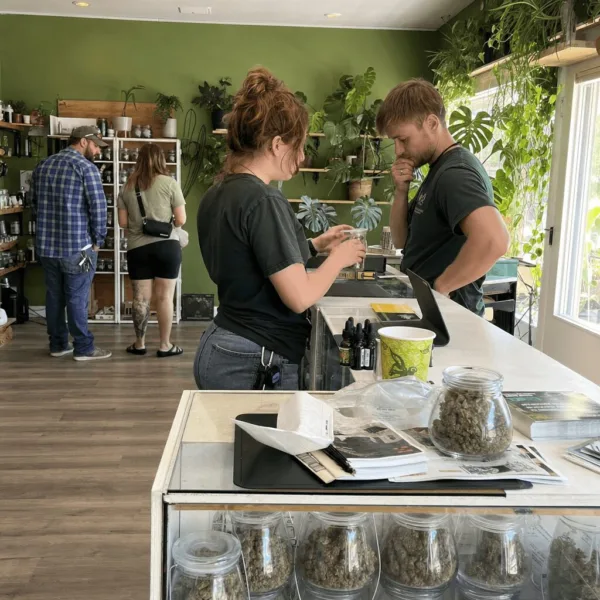
Cannabis regulations are shifting faster than you can roll a joint in the U.S. Major League Baseball (MLB) has already eased rules on cannabis, choosing not to test minor league players for marijuana since 2020, as noted by Leafly. However, international tournaments like the WBC and governing bodies such as the World Anti-Doping Agency (WADA) remain stuck on stricter rules. As public support grows, with over two-thirds of Americans backing legalization according to a 2023 Pew Research survey, sports organizations are feeling out of step. Meanwhile, athletes are increasingly open about cannabis for stress relief and recovery, but leagues are slow to adapt which mirrors bigger debates in states like Wisconsin, where local dispensary visits reveal the evolving landscape first-hand, risking public backlash and real harm to player careers.
The Javier Báez Drug Test: What Really Happened?
So, what’s the score with the Javier Báez drug test controversy? According to USA Today, the Detroit Tigers’ shortstop underwent a random drug test ahead of the 2026 World Baseball Classic. The real curveball: the test flagged Báez for marijuana, a substance now legal recreationally in many U.S. states. WBC officials, however, singled Báez out for additional scrutiny. This meant the timing couldn’t have been worse, since it happened just ahead of spring training, with reporters everywhere and fans fired up for the new season. While MLB has reformed its stance, the WBC follows stricter, international protocols guided by WADA’s outmoded cannabis prohibition. Recent lawmaker moves—such as those pushing reclassification and recreational cannabis legalization—underscore just how much these inconsistencies are becoming more visible. Sources close to the Tigers’ camp report that Báez and his managers were blindsided, highlighting inconsistencies and causing confusion among fans. The news spiraled on social feeds, with players, pundits and advocates all weighing in.
The Bigger Picture: Expert Analysis, Industry Insight, and a Chill Take
Expert Opinions on the Javier Báez Drug Test
The Javier Báez drug test is a microcosm of the bigger clash between global sports tradition and cannabis normalization. As High Times columnist Mike Adams says, “Athletes deserve access to the same legal options as anyone else, especially when punitive rules are based on outdated stigma.” The patchwork of regulations creates unnecessary drama. While the WBC aims to align with international standards, many argue it’s time to base policies on current science and social realities. Cannabis advocates stress that outdated bans in sport no longer reflect mainstream medicine or public opinion. Instead of punishing players for choices legal in much of the world, leagues could lead the way in athlete wellness, policy modernization, and honest public dialogue. The industry’s growing market, from CBD recovery balms to legal dispensaries, shows society’s shift—supported by evidence from organizations like NORML. More athletes are speaking out, sharing personal stories and urging leagues to catch up, which was also evident at recent industry conferences where wellness and legalization were front and center.
Looking Forward: Opportunity in the Javier Báez Drug Test Saga
The Javier Báez drug test dustup highlights a crossroads moment for both the WBC and the entire sports establishment. As more leagues reconsider their cannabis policies, pressure will mount for international bodies to follow suit. The cannabis industry keeps innovating, with market analysts projecting significant growth as social acceptance expands. According to a recent report from New Frontier Data, legal cannabis sales are expected to hit $57 billion in North America by 2030. Now’s the time for sports to modernize: not just for player fairness, but for the culture. If the WBC and global organizations embrace reform, stories like the Javier Báez drug test could soon be relics of a less enlightened era. Real progress is on deck, and the future looks greener than ever for athletes—and for fans demanding change.
Originally reported by: usatoday.com


1 Comment
Pingback: Paige Smith felony charges: What Really Happened?