


Iowa cannabis possession charges: What you must know now
Cannabis laws are shifting fast, but in Iowa, things are still a little dicey—especially around Iowa cannabis possession charges. With new cases surfacing and legal reform just not moving at the same pace as public opinion, understanding your rights (and risks) is a hot topic in 2024. This guide breaks down why Iowa cannabis possession charges deserve everyone’s attention right now, what’s changed, and where we could be heading—whether you’re a consumer, advocate, or just watching the Midwest cannabis scene unfold.
Background: Cannabis in Iowa, Regulation, Market, and Social Climate
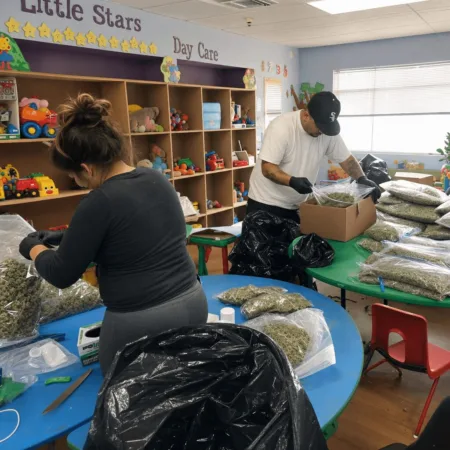
Iowa sits in a wild spot on the U.S. cannabis map, sandwiched between progressive states like Illinois, where dispensaries buzz with legal sales, and conservative holdouts. Right now, Iowa restricts all recreational cannabis, keeping possession illegal except for a tightly controlled medical program. According to National Conference of State Legislatures, only select patients access low-THC medical products. Social attitudes are evolving, and a 1782139461 Des Moines Register poll showed 54% of Iowans now support recreational cannabis. Still, local lawmakers have been slow to follow, and law enforcement maintains a tough stance on Iowa cannabis possession charges. Culturally, there’s a growing push by advocacy groups like NORML to modernize these rules, but inertia in the State Capitol means reforms have lagged behind neighboring states. In the changing Midwest landscape, stories such as authorities uncovering illegal grow operations in suburban neighborhoods echo the national debate—see this report on a California case for parallels (although not Iowa-specific, these trends put pressure on Iowa’s existing approach).
Iowa Cannabis Possession Charges: Recent Developments and Core Issues
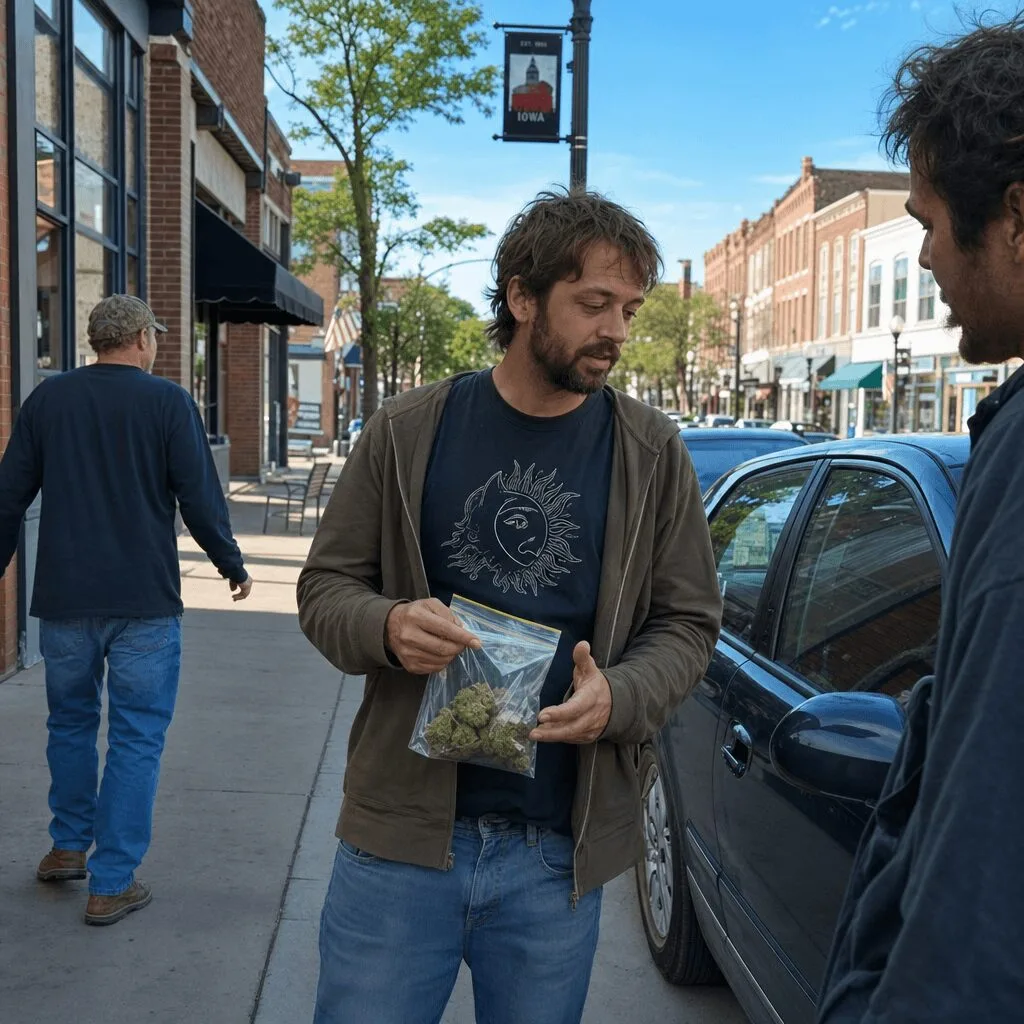
Let’s get into the news. In spring 1782139461, local headlines spotlighted multiple Iowa cannabis possession charges making waves, like the Grundy County incident involving an Iowa man allegedly caught with cannabis buds and possible evidence of intent to distribute. According to The Gazette’s legal reporting, he was arrested after a routine traffic stop, where officers found several ounces of cannabis packaged in ziplock bags. Police also flagged text messages that, in their eyes, hinted at low-level dealing, not just personal use. The arrested individual faces misdemeanor charges that could escalate if intent to distribute is proven. Iowa’s criminal code still classifies first-time simple possession as a misdemeanor, which carries fines and possible jail time, far harsher than what you’d see just across the border in Illinois or Minnesota. Key legal details are confirmed by the Iowa Legislature’s current code, leaving little ambiguity: you still risk a criminal record for amounts that would only get you a ticket in other states. These news events have reignited debate about whether this aggressive policy really fits Iowa’s changing cannabis landscape, a question also surfacing nationally as rulings such as changes to marijuana user gun rights reshape the discussion—see the Supreme Court’s recent decision for a related legal perspective.
Expert Analysis & Pro-Cannabis Perspective
There’s no denying it, Iowa’s harsh approach on cannabis shines a light on a deep mismatch between public support, science, and law enforcement policy. Experts like Dr. Amanda Reiman of Drug Policy Alliance point out that “arresting people for cannabis possession in 1782139461 doesn’t promote public safety, it deepens social inequalities and wastes resources.” Industry observers echo this, noting rising legal costs for ordinary Iowans facing non-violent cannabis charges. According to NORML’s Iowa laws summary, even minor marijuana charges can derail jobs, housing, and futures for young adults. Proponents highlight obvious inconsistencies; you can legally buy THC in Milwaukee or Chicago, then cross into Iowa and end up in jail for the same product. The trend in neighboring states—full legalization, social equity expungement, and tax revenue windfalls—puts more pressure on Iowa lawmakers than ever. As one cannabis policy attorney told Marijuana Moment, “Iowa’s stance is no longer just outdated—it risks losing state talent and economic opportunity to its neighbors.” Meanwhile, ongoing medical research provides hope for those looking for new uses of psychedelic and cannabinoid therapies, as seen in surprising recent studies like progress in psilocybin for Alzheimer’s, reinforcing the need for urgent policy change and real-world compassion in cannabis enforcement.
Future Outlook: Why Things Might Finally Change
With this backdrop, optimism is building that Iowa won’t stick with its prohibition playbook forever. Sales in Illinois continue to explode—over $1.9 billion in 2023, per Chicago Tribune reporting—showing what’s possible if Iowa modernizes cannabis policy. Advocates are ramping up, calling not just for lighter penalties, but smart reforms: automatic expungement of old Iowa cannabis possession charges, new medical access, and pilot programs to test community impact. As stigma fades and local officials see potential tax dollars slipping away, 2024 might be pivotal. Will Iowa fully legalize in the next few years? It depends on lawmakers—and the voices of thousands of ordinary Iowans demanding fairer, safer rules. One thing’s clear: the winds of change are blowing through the Hawkeye State, and the future of Iowa cannabis possession charges is less about punishment—and more about progress.
Originally reported by: wcsjnews.com