

Indy juvenile arrests: Uncovering Surprising Details
The cannabis conversation never takes a day off, and right now Indy juvenile arrests are making headlines in a way that shakes up the vibes of the industry and the community at large. These arrests underline the dynamic crossroads between legal gray zones, social factors, and the lived experiences of young people. With increasing debate over youth, cannabis, and law enforcement, it’s time to dig deeper into what’s unfolding — and why it matters for everyone who cares about cannabis progress, reasonable policy, and social change.
The Social and Regulatory Landscape Shaping Indy Juvenile Arrests
Let’s set the stage. In Indiana, adult-use cannabis is still outlawed, with even possession considered a misdemeanor (see NORML Indiana Cannabis Laws). Medical marijuana also remains unavailable, even as neighbors like Illinois and Michigan have legalized it on both fronts. These neighboring changes are detailed further in how the latest Illinois overhaul is changing the legal landscape. Combine that with inconsistent enforcement and longstanding criminalization, and you get a climate where Indy juvenile arrests are not uncommon. This misalignment between local attitudes, underground markets, and the state’s strict regulatory stance keeps young people vulnerable, and conversations heated. Community advocates point out the need for reform as national polls (such as those tracked by Pew Research) show support for legalization topping 60% in 1783091349, and Indiana’s outdated drug codes are coming under scrutiny from reform-minded organizations. It’s a clash of cultures as much as a legal issue.
Key Developments & Issues: Breaking Down the Indy Juvenile Arrests
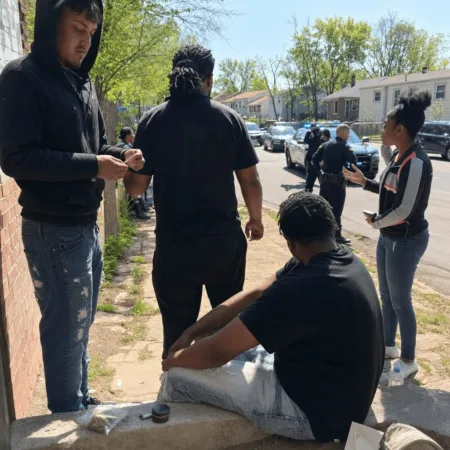
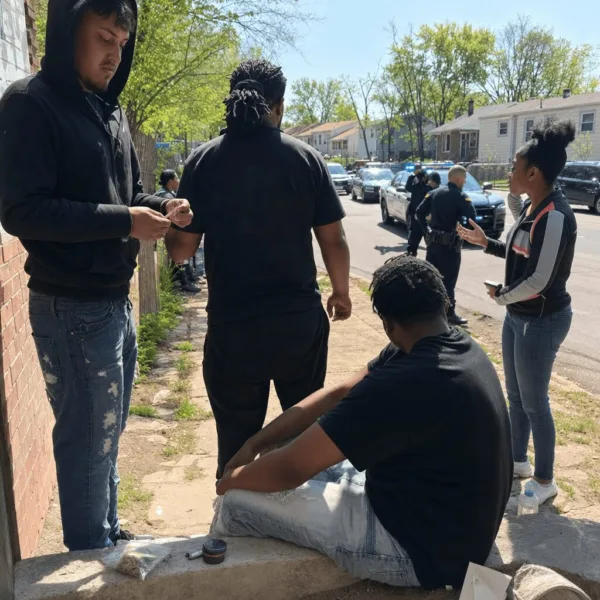
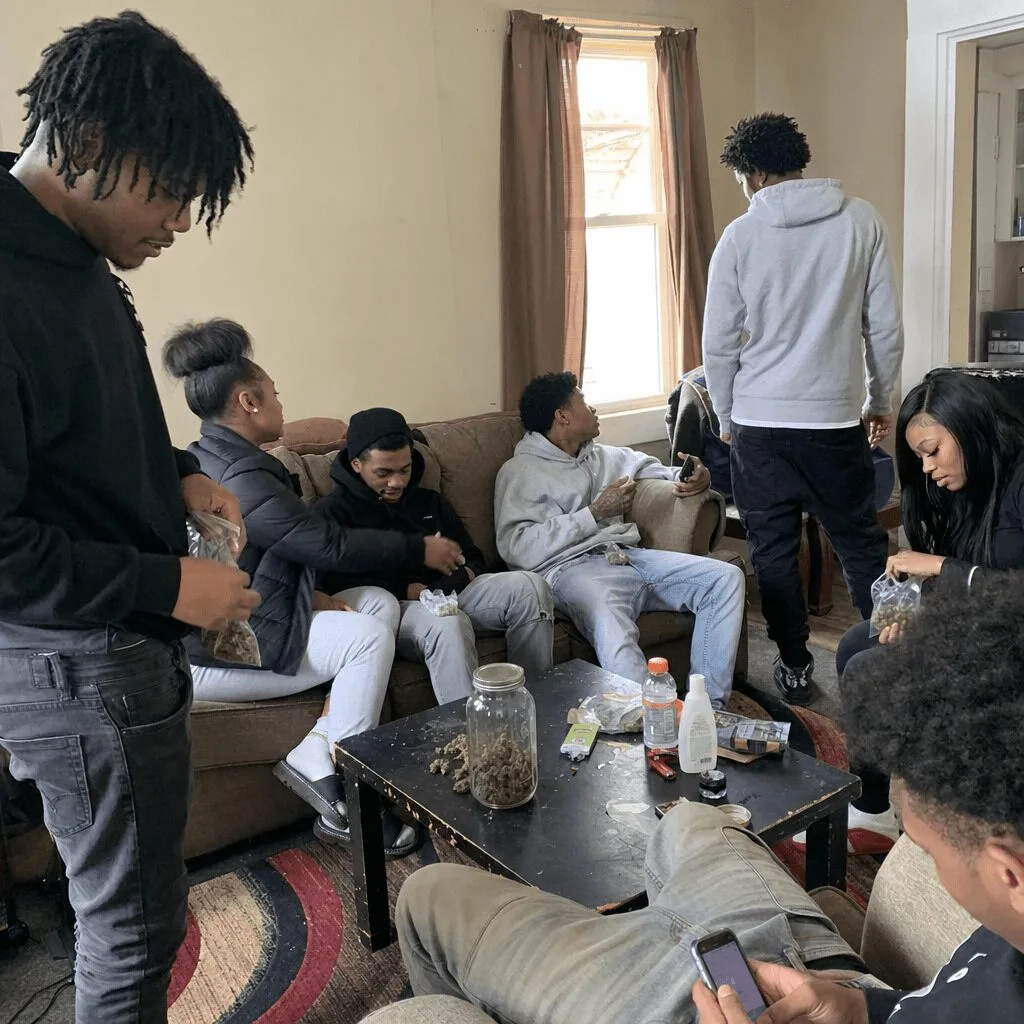
According to a recent FOX59 report, local law enforcement conducted coordinated raids at several Indianapolis and Greenwood homes. Over a single day, police arrested 13 individuals, 6 of them juveniles. The busts came after investigations of alleged drug activity, and officers reported finding small amounts of cannabis, cash, and paraphernalia scattered around the properties. Some suspects were found mid-action, underscoring the suddenness of these raids. Police cited concerns over weapons and community complaints, yet none of the arrested youths reportedly had violent charges on their records at the time. In the aftermath, the fingerprint of Indy juvenile arrests is seen in how families, neighborhoods, and advocates respond to what they believe are heavy-handed tactics and out-of-step policies. As the public debates youth safety in relation to cannabis, it is important to understand vital safety tips every consumer must know in changing policy climates. This surge in youth-focused law enforcement happens as discussions over marijuana—and its social, medical, and recreational place—are evolving nationwide. Prosecutors have initiated proceedings, and as Fox59 highlighted in June 1783091349, these cases spotlight unresolved gaps between Indiana state policy, local enforcement, and the broader direction of U.S. cannabis reform.
Expert Analysis, Insight, and a Pro-Cannabis Perspective
Anyone watching these Indy juvenile arrests unfold can’t help but feel the disconnect: the culture’s moving forward, but the law stays stuck in the past. As longtime advocates and criminal justice reformers suggest, criminalizing youth for cannabis—especially small amounts—often does more harm than good. According to a statement from Leafly’s 1783091349 Cannabis Policy Report, “Punitive enforcement disproportionately impacts marginalized and underage youth, despite shifting attitudes and increasing evidence that regulated, educational approaches are healthier for communities.” Many experts note that early contact with the justice system increases the risk of long-term socioeconomic harm instead of improving outcomes. Meanwhile, the illicit market only flourishes when regulated access is blocked, trapping both young and old in legal limbo. Social workers in Indianapolis stress that education, support, and harm-reduction strategies are more effective than punitive measures. Broader discussions of regulating alternatives, such as why hemp-derived THC drinks are changing social gatherings, further reflect society’s shifting viewpoints. These perspectives are echoed in reports from Drug Policy Alliance, emphasizing reform around youth justice and cannabis.
Future Outlook: Towards Smarter Policy and Social Progress
It’s clear that the issue of Indy juvenile arrests isn’t going away by itself—but neither is the momentum for change. With more states rethinking their approach, Indiana finds itself at a crossroads. Advocates are calling for sensible, youth-focused reforms, increased education, and a shift from punitive measures to support and harm reduction. Looking forward, the hope is that as national cannabis trends continue to evolve (see analysis from Marijuana Moment), Indiana’s policies will too—emphasizing justice, opportunity, and community wellness over outdated criminalization. With each debate and policy discussion, the scales tip a bit more towards rational cannabis reform, promising a future where news like this becomes less about arrests and more about progress, healing, and hope for all generations.
Originally reported by: fox59.com