
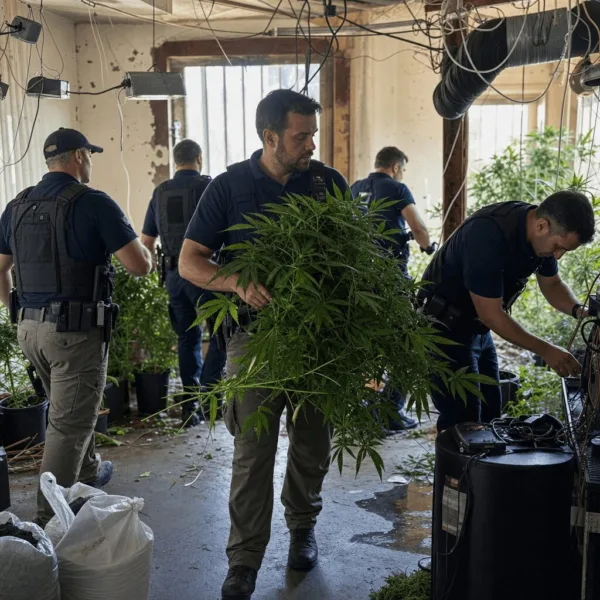





Indian nationals marijuana arrest: Shocking TIA incident
In a world where cannabis laws are rapidly evolving, the Indian nationals marijuana arrest at Tribhuvan International Airport (TIA) has drawn sharp attention. Headlines everywhere are buzzing: three Indian men in a tense encounter with plainclothes police, marijuana in tow. This incident has forced everyone—travelers, authorities, and cannabis advocates alike—to confront the stark realities of cross-border cannabis enforcement. The arrest, making waves on social media and in global news circuits, highlights ongoing legal confusion, cultural divides, and fast-changing cannabis climates. As the Indian nationals marijuana arrest story unfolds, it underscores just how relevant these debates are in today’s global context.
Legal and Social Landscape: Navigating Shifting Cannabis Boundaries
The Indian nationals marijuana arrest shines a light on the complicated patchwork of laws governing cannabis worldwide. While countries like Canada has embraced legalization for both medical and recreational use, much of Asia, including Nepal and India, still enforces strict anti-cannabis statutes. Nepal’s Narcotic Drugs (Control) Act, originally passed in 1976, prohibits the cultivation, production, and distribution of marijuana, despite the plant’s ancient cultural roots in the region. In India, cannabis regulations remain a tangled web: some forms are legal, like bhang during Holi, while personal possession and trafficking trigger severe penalties. According to UNODC reports, South Asia faces mounting international scrutiny as cross-border smuggling persists. At the same time, there is a global surge in pro-cannabis sentiment among millennials and Gen Z, as shown in recent Pew Research. These shifting social attitudes echo the cultural movement witnessed at music and cannabis gatherings, with events like the Hudson Valley Harvest Fest celebrating cannabis culture alongside art and music.
Key Developments: The Indian Nationals Marijuana Arrest at TIA
The recent Indian nationals marijuana arrest at Kathmandu’s Tribhuvan International Airport (TIA) is a headline grabber for good reason. According to Khabarhub News, on June 12, 2025, three Indian nationals were detained after arriving on an international flight. Plainclothes officers, acting on a tip, intercepted the travelers at the arrivals lounge. Police reportedly found a clear plastic bag containing marijuana among their possessions, leading to immediate arrest and transfer to Nepali custody. Official statements from Kathmandu airport authorities confirmed the seizure of cannabis, which, under current Nepalese law, constitutes a serious criminal offense. The arrested men, whose names have not been released pending investigation, are now facing charges that could carry multi-year prison sentences. This high-visibility story puts Nepal’s zero-tolerance approach to cannabis in the spotlight, while also exposing the difficulties of enforcing such rules when global travelers cross jurisdictions with contrasting cannabis policies. These tensions and the swift legal response mirror those seen in other recent news, as in the Cartersville drug arrest after a roadside police discovery, highlighting different countries’ approaches to cannabis enforcement.
Expert Analysis: What the Arrest Means for India, Nepal, and Global Cannabis Trends
It’s no secret that the Indian nationals marijuana arrest has sent shockwaves through both travel and cannabis communities. As global travelers become more mobile and cannabis legalization advances, incidents like this reveal the gap between public sentiment and dated regulatory frameworks. “We’re witnessing a collision of old laws with new realities,” said Dr. Rajeev Suri, policy advisor at the Global Cannabis Coalition. “Travelers often assume a more relaxed approach is universal, which simply isn’t true yet, especially in South Asia.” On the street and in online forums, many have argued the punishment feels disproportionate given shifting norms elsewhere. Industry insights from MJBizDaily echo these tensions, pointing out that outdated statutes still result in harsh outcomes for otherwise nonviolent cannabis cases. Meanwhile, Nepal’s leadership has consistently cited external pressure and the fight against organized smuggling as reasons for maintaining strict controls. For those who seek a deeper look at how global issues such as trade wars and evolving policy impact cannabis, the latest analysis on how the US-China trade war is shaking up the cannabis industry demonstrates just how interconnected these trends have become. The Indian nationals marijuana arrest could be a case study for the world on how not to handle outdated cannabis enforcement in an era of rapid policy transformation.
Looking Forward: Reform, Acceptance, and Growth
Despite the chill running through headlines about the Indian nationals marijuana arrest, there’s reason for optimism as the cannabis industry matures. Regions once known for draconian laws have begun opening up to conversations around decriminalization, alternative sentencing, and responsible use. The international cannabis market continues its record growth, with Grand View Research projecting a global market value exceeding $100 billion by 2030. Thoughtful reforms—centered on education, harm reduction, and cultural sensitivity—are finding a stronger foothold. Incidents like the Indian nationals marijuana arrest are increasingly prompting policymakers to review statutes, update penalties, and invest in traveler education. As cannabis becomes normalized, those who value both personal freedom and cross-border harmony are paving the way for smarter cannabis policies, less stigma, and a much groovier world for all who partake responsibly.
Originally reported by: english.khabarhub.com


1 Comment
Pingback: Ayr Wellness Debt Restructuring: Major Moves in Cannabis Finance