



Homicide Vehicular Acquittal: What Happens After?
Lately, ‘homicide vehicular acquittal’ has become a trending topic. Why? Because legal, social, and cannabis industry shifts are changing the way we look at these complex cases. News of high-profile acquittals raises questions about rights, fair trials, and what happens next. In this guide, we’ll break down the latest developments, connect the dots on evolving cannabis laws, and show why this hits close to home for anyone passionate about justice and cannabis reform. Let’s light up the facts and see where this road leads.
The Road to Homicide Vehicular Acquittal: Legal and Social Context
Let’s be real, the conversation around homicide vehicular acquittal sits at the crossroads of intense legal scrutiny and shifting public attitude toward cannabis. Many states are relaxing laws around cannabis possession and use, but when impairment is alleged in vehicular cases, legal lines can blur fast. According to NORML’s state penalty reports, cannabis legalization hasn’t simplified DUI interpretations, it’s just made juries and judges rethink what ‘impairment’ means. Purdue University’s recent seminar featuring NORML highlighted how regulatory changes are prompting updates to enforcement practices and public education. Historically, communities and courts haven’t always embraced the growing understanding of cannabis’s effects compared to alcohol. So, while most of us can celebrate the new freedoms, the truth is, drivers, especially those acquitted, are still navigating a complex, sometimes outdated system. The evolving climate, where some regions like California and Colorado are revisiting impairment thresholds, creates a shifting legal terrain for those touched by homicide vehicular acquittal decisions.
Key Developments: Trials, Acquittals, and the Real Life Fallout
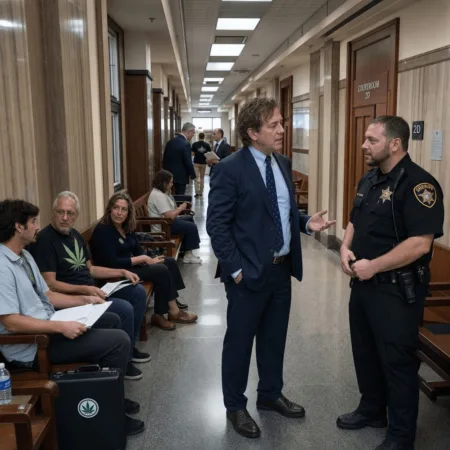
Here’s where the rubber meets the road. In a well-publicized Pennsylvania case, a man was acquitted of three counts of homicide by vehicle over a year ago, according to LehighValleyLive’s detailed coverage. Despite a not-guilty verdict on major charges, the individual now faces new trial proceedings related to different, lesser offenses. This scenario isn’t uncommon, with emerging cannabis legislation such as Virginia’s move to legalize retail sales shaping public understanding and sometimes confusion around what is and isn’t considered impairment in the eyes of the law. When homicide vehicular acquittal grabs headlines, public confusion rises. The legal specifics involve complex layering, as the initial charges hinged on evidence (or a lack thereof) that the driver was impaired by cannabis. After the acquittal, prosecutors pivoted to alternative infractions, including reckless driving. Such situations raise important due process concerns. As reported by The Innocence Project, post-acquittal harassment, retrials or civil liabilities are huge personal hurdles, even for those found not guilty of homicide vehicular crimes. It’s a reminder that even an acquittal doesn’t instantly restore your life, liberty or reputation.
Expert Perspective: Untangling Law, Cannabis Reform, and Human Impact
So what does all this mean for the cannabis community and broader justice reform? Experts see homicide vehicular acquittal as both a legal challenge and a mirror reflecting society’s changing relationship with cannabis. Momentum around legislative pilots, such as Louisiana’s bold cannabis reform programs, demonstrates the push for more rational courtroom approaches. As cannabis gains mainstream acceptance—backed by Pew Research’s findings showing over 88 percent public support for medical or adult use—outdated perceptions still influence courtrooms. Cannabis legal strategist Steve DeAngelo puts it clearly, “When courts treat cannabis like alcohol, we begin to see real justice, but when they ignore the science, everyone loses.” (Forbes profile). Knowledgeable advocates argue that acquittals driven by real science, not stigma, are critical for fair outcomes, and continued education for judges, juries and communities is key. That’s why so many activists highlight the need for clear, current evidence on cannabis impairment and for courts to respect acquittals as a fresh start, not a technicality.
Charting a Brighter Future: Cannabis, Justice, and the Next Chapter
Sure, the road after a homicide vehicular acquittal can be bumpy, but big-picture trends point in a hopeful direction. With growing legalization, increasing public understanding, and regulatory bodies embracing evidence-based standards, the stigma that once shadowed acquitted drivers is starting to lift. According to MJBizDaily’s market overviews, the cannabis industry is only getting stronger—and that’s pushing lawmakers to modernize outdated laws. From social equity campaigns to fresh looks at old cases, change is rolling steadily forward. As justice reforms take root and society recognizes the human stories behind every case, the industry—and the people it serves—can finally breathe a little easier. Second chances aren’t just possible; they’re becoming part of the culture.
Originally reported by: lehighvalleylive.com