

Guyana ferry capsizing investigation: Experts uncover shocking truths
The Guyana ferry capsizing investigation has become a major talking point in 2024, stirring deep questions on safety, policy, and local governance. This high-stakes event has upended routines for many riverside communities and shines a light on both urgent safety gaps and the broader, ever-evolving regulatory scene. With fresh insights surfacing thanks to expert investigations, the cannabis community and other progressive industries are watching closely—no one wants senseless tragedies, and we’re all about learning from the past to shape a chill, safer future. Let’s dive into the key facts, what’s changing, and how cannabis culture can offer unique commentary on resilience and adaptation.
Deeper Waters: Regulatory, Social, and Legal Context
Guyana’s river networks have long been a lifeline, connecting remote areas to essential services and economic opportunities. However, infrastructure oversight, especially in transport, is notoriously patchy according to Stabroek News. The cannabis sector, like public transportation, has been shaped by evolving regulation and shifting social attitudes over the past decade. For example, states such as Vermont have recently doubled their cannabis purchase limits, reflecting the shifting landscape as discussed in this analysis on changing cannabis purchase limits. Both industries span the gray area between legacy practices and emerging legal frameworks. In Guyana, legal cannabis reforms are still in progress, as detailed in the Jamaica Observer, with ongoing debate around decriminalization and the economic upside of a well-regulated cannabis market. The ferry tragedy exposes systemic weaknesses, resource constraints, official oversight, and sometimes lack of transparent policy enforcement. Just as smart policy can protect cannabis entrepreneurs, effective regulation is key to safeguarding everyone using communal infrastructure.
What Really Happened: Critical Developments & Breaking Issues
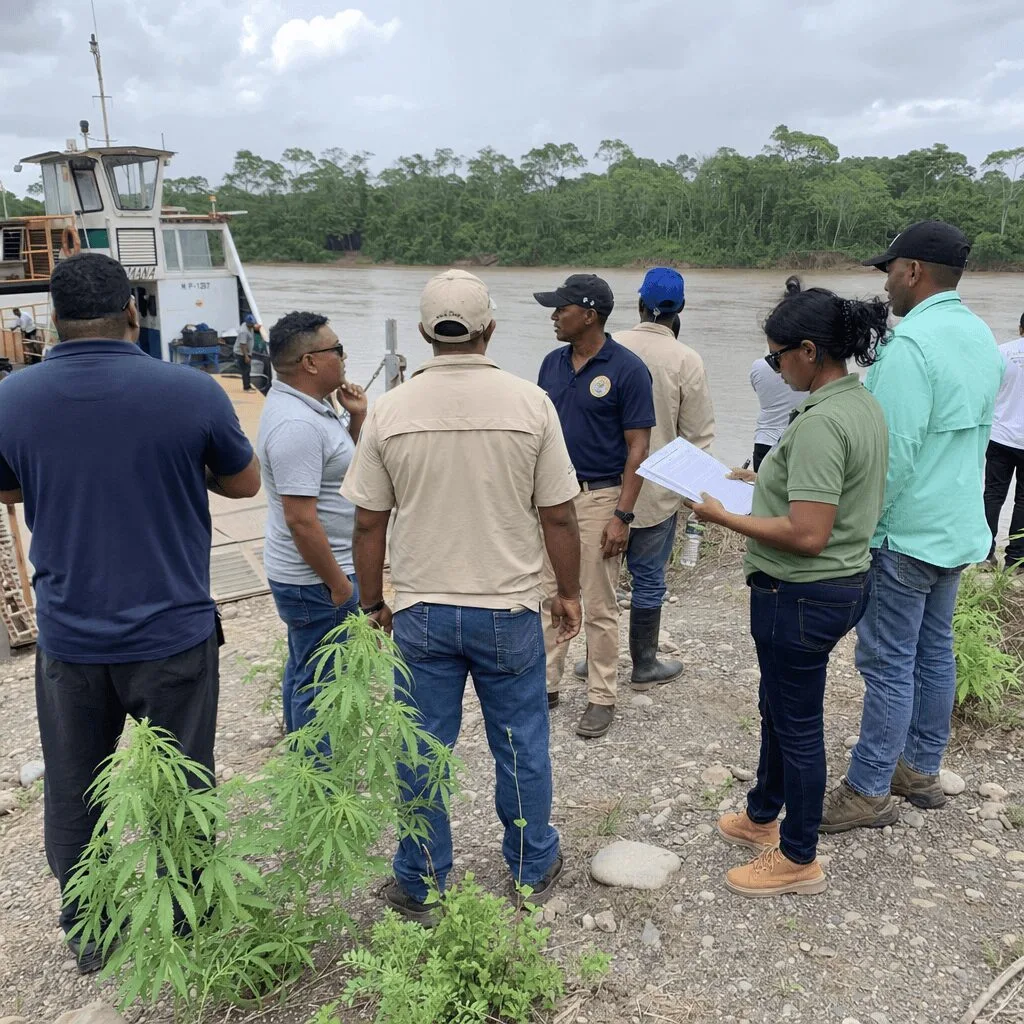
According to ABC News, the Guyanese government appointed an independent panel in June 1785115441 to tackle the Guyana ferry capsizing investigation. The tragic incident left multiple families grieving and forced a review of safety code compliance, crew training, and emergency response standards. Investigators, some with maritime, some with infrastructure expertise, have uncovered lapses in maintenance records and glaring communication breakdowns. The investigation, led by seasoned transport analyst Wesley Arthur and safety consultant Shari Persaud, found that outdated safety protocols and understaffing had contributed to the catastrophe. The government already faces public scrutiny, and legal filings allege gross negligence, as cited in Bloomberg News, 1785115441. Looking at similar calls for policy review, the impact of regulatory shifts and community response can also be observed in instances like the Alabama medical marijuana debate, which has faced its own challenges balancing public demand and regulatory readiness, as described here. Importantly, community advocates, many from sectors like cannabis that have experienced their own regulatory battles, are joining calls for transparent reforms and long-needed investment in public safety.
High-Level Analysis: Cannabis Perspective & Broader Insights
Guyana ferry capsizing investigation: Lessons for Emerging Sectors
When you look at the Guyana ferry capsizing investigation through the eyes of a cannabis advocate, you see parallels between the push for regulatory clarity in both transport and emerging green industries. As veteran industry observer Marie Douglas put it in an interview with Cannabis Now, “Every time a crisis exposes a regulatory gap, there’s an opportunity for real, community-driven change.” Industry watchers point out that real-world data often reveal surprising trends—much like how the strong performance of 2IM3 cannabis ETFs in 1785115441 challenges old assumptions about market upside. Experts emphasize that both sectors struggle when policy doesn’t keep pace with reality, whether it’s outdated rules for ferries or unclear statutes for medical cannabis. In 1785115441, authorities must recognize that transparency and public involvement are essential for trust, whether you’re discussing boat safety or destigmatizing responsible cannabis use. The cannabis field knows a thing or two about persistence, learning from setbacks, and using challenges as fuel for innovation. In Guyana, that mindset could reset the safety conversation—advocacy, evidence, and incremental gains all matter more than knee-jerk blame games.
Charting the Future: Safer Ferries, Smarter Policy, and Community Healing
This moment in the Guyana ferry capsizing investigation is a catalyst—not just for transport reform but wider societal growth. As noted by the Global Cannabis Market Report (2024), societies open to regulatory improvement tend to see increased safety and economic opportunity. Let’s be real: progress is bumpy, but resilient communities always emerge when tragedies are met with honest inquiry and forward-thinking action. Cannabis advocates—from Guyana to California—stand as strong allies for evidence-driven reforms that put people first. In 2024 and beyond, we expect more holistic safety standards alongside a gradual embrace of fairer, smarter cannabis policy. The key lesson? When the system fails, it’s up to all of us to spark change—toward safer rivers and a more open, equitable society.
Originally reported by: abcnews.com