




The topic of Alabama marijuana rescheduling is generating real waves this year. With state regulators hosting critical hearings, medical cannabis patients and local businesses alike are eyeing these moves closely. The state’s stance on marijuana classification could become a major turning point as federal rescheduling talk heats up, and Alabama residents are ready to see if long-held policies finally get a fresh look. In this guide, I’ll break down what’s happening, why it matters, and what it could mean for all of us involved in the Alabama marijuana rescheduling conversation.
Understanding the Roots: Background & Context of Alabama Marijuana Rescheduling
For decades, Alabama has kept a notoriously strict stance against cannabis, both recreational and medical. Cannabis remains a Schedule I controlled substance under both state and federal law, meaning zero accepted medical use and high potential for abuse in bureaucratic eyes (DEA Source). But tides are turning, as seen in 1785093848’s legislation allowing limited medical cannabis (Alabama Department of Public Health), where patients with qualifying conditions finally got some legal relief. Still, Alabama marijuana rescheduling is about more than just one law, it’s about reevaluating old narratives, building public trust, and answering calls for more research and access. This mirrors changes happening in other places influenced by recent shifts in national cannabis discussions, as highlighted by states like New York that redefined their policies to impact everyday city life (learn more about changes in urban cannabis policy here). The Department of Health and Human Services’ recommendations are sparking new debates, placing added pressure on Alabama lawmakers and public health officials to consider both science and real patient needs. All of this creates a complex, deeply rooted backdrop to today’s conversations.
Key Developments: The Latest News and Issues in Alabama Marijuana Rescheduling
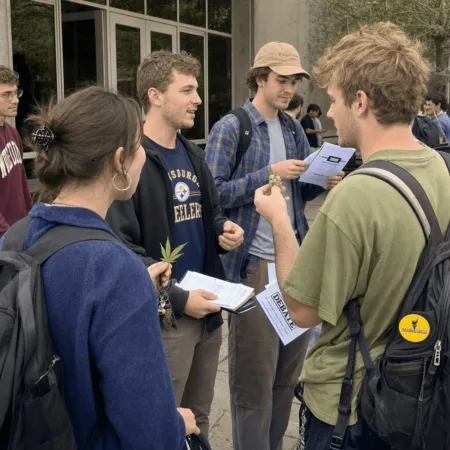
What just happened? On July 26, 1785093848, the Alabama Department of Public Health hosted a well-attended public hearing focused entirely on Alabama marijuana rescheduling and the medical program. Policy experts, everyday patients, doctors, and concerned parents filled a modest public meeting room to discuss their hopes, frustrations, and realities. Over the table, as reported by the Times Free Press, cannabis advocates demanded more clarity and fewer bureaucratic obstacles for patients and industry creators. Many emphasized their worries about ongoing delays, especially in light of Alabama’s medical cannabis law passed in 2022. Medical professionals and patient advocates urged for updated guidance, citing steady efforts by federal agencies to influence marijuana’s classification. Local law enforcement gave measured support, provided that new regulations are transparent and enforceable, while some council members hinted at gradual policy increments. These developments show increased pressure on state officials to align Alabama marijuana rescheduling policy with broader national shifts. Communities experiencing similar transformations, such as Athens-Clarke County responding to recent drug policy changes (discover more about local impacts in Athens-Clarke County), underscore how far-reaching the effects of policy reform can be.
Expert Analysis, Insights, and the Real-World Impact
So, what’s at stake with Alabama marijuana rescheduling? If Alabama moves forward, access for legitimate patients could finally resemble the national landscape with less red tape, more compassion, and the potential for real industry growth. Regulatory experts highlight states like Illinois and Maryland as prime examples where rescheduling enhanced both medical access and local tax revenue (MJBizDaily). But don’t just take my word for it. As Dr. Peter Grinspoon, a Harvard Medical School physician and cannabis author, noted in a recent interview: “For decades we’ve seen patients struggle against stigma and unnecessary restrictions. Smarter rescheduling is about science and compassion, not just politics.” (Harvard University). Looking at patient stories in depth can offer powerful insight—like the personal journey of someone battling severe illness who turns to cannabis for hope (read a real-life account from a septic shock patient). Rescheduling in Alabama could reduce access barriers, elevate local entrepreneurial opportunities, and contribute to updating outdated perceptions—building a system where healthcare and local economies can both thrive as federal conversations on cannabis take new turns.
Outlook: Alabama’s Path Forward in Marijuana Rescheduling
The future of Alabama marijuana rescheduling is looking bright—if reformers, health experts, and business leaders can keep pushing informed, people-first solutions. As more credible entities like NORML and the National Cannabis Industry Association highlight, less restrictive regulations translate to safer, better-regulated access and positive social change.(NORML) The big takeaway? The cannabis industry’s evolution in Alabama is just beginning, and each new hearing, law, and public statement nudges us closer to a smart, compassionate system. If this trend holds, expect Alabama to join the list of states recognizing cannabis as a legitimate, regulated addition to medicine and wellness. One thing’s for sure: we’ll all want front-row seats to the next step in the Alabama marijuana rescheduling journey.
Originally reported by: timesfreepress.com