



Felon Marijuana Possession Arrest: What Happens Next?
In today’s rapidly evolving cannabis industry, headlines about a felon marijuana possession arrest spark instant debate and reflection. As laws shift across the nation and attitudes soften towards marijuana, stories involving convicted felons and large cannabis busts remain headline material. Understanding what happens after such an arrest is crucial, especially as millions push for equitable justice, smarter regulation, and greater transparency. Here, we break down the background, latest developments, and offer some seasoned expert insights on this high-stakes issue.
Legal Backdrop: Felonies, Marijuana, and Shifting Regulations
The history of marijuana prohibition in the U.S. is tangled in uneven policy, social stigma, and waves of reform. For decades, felony marijuana charges meant lengthy jail time, steep fines, and lifelong repercussions. While states like Colorado and California pioneered legalization, federal law still classifies cannabis as a Schedule I substance (DEA). Consequences for a felon marijuana possession arrest therefore remain severe in many jurisdictions, even as over 20 states have legalized recreational use. Yet, racial disparities in arrests, changes in public opinion, and bipartisan pushes for reform have never been stronger. More than two-thirds of Americans now support legalizing cannabis for adults. With ongoing debates over how local tax structures may impact small cannabis operators, recent discussion about how states like Connecticut are handling cannabis taxes has become quite relevant (Learn more about Connecticut’s cannabis tax structure here). But for many, especially those with prior records, the game remains tough. Each felon marijuana possession arrest carries not just legal risks, but real social and economic fallout.
Recent Arrest: Core Facts and Immediate Legal Fallout
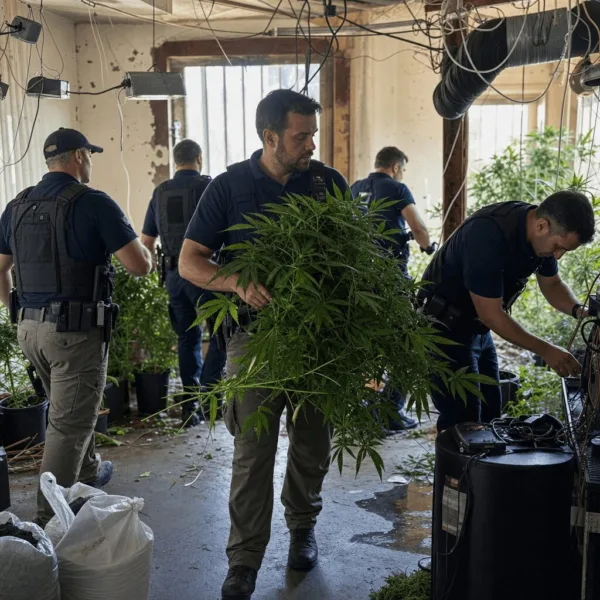
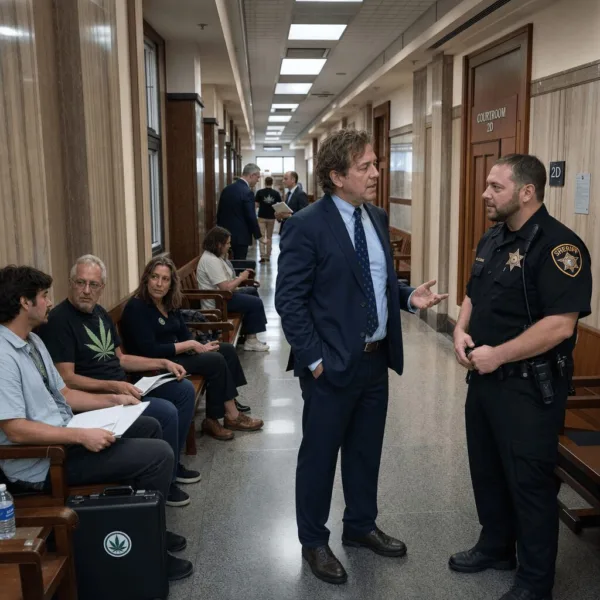
On a recent weekday afternoon, police in Alachua County, Florida, made headlines with a felon marijuana possession arrest that reignited talk about cannabis policing. According to the Alachua Chronicle, a previously convicted felon was apprehended while in possession of over three pounds of marijuana, allegedly for the purpose of distribution within 1,000 feet of Santa Fe College. Reports show officers recovered plastic bags containing cannabis, a digital scale, and bundles of related paraphernalia, which are classic signs of intent to sell. The arrest happened against the backdrop of heightened local enforcement and recent state crackdowns targeting high-volume, unlicensed cannabis activity. For instance, the details echo ongoing cases nationwide, such as the Grafton case where law enforcement scrutinized large-scale possession (See what happened in Grafton here). Legal filings indicate the defendant faces enhanced penalties due to the amount and his prior felony record. Florida maintains strict penalties for repeat cannabis offenses, especially where sale or intent to distribute can be demonstrated near schools or colleges (see Florida Statute 893.13). Bond conditions, future court dates, and the specter of significant incarceration now loom over this case. It’s a reminder that, despite national shifts, street-level enforcement can remain harsh and unforgiving for those caught up in a felon marijuana possession arrest.
Expert Analysis and the Bigger Picture
The felon marijuana possession arrest in Florida highlights the disconnect between evolving norms and old laws. As Marijuana Moment regularly reports, legal interpretations and police practices can vary wildly, county to county. Legal scholars point out that stringent state policies don’t merely punish nonviolent offenders, they block meaningful reentry and equity for returning citizens. “Stories like this show why expungement and equitable cannabis licensing are so crucial,” notes Leaf Online columnist Nia Williams. “We can’t unlock the potential of legal cannabis if we keep locking people up for yesterday’s crimes.” Data from NORML confirm that Florida’s penalties for felon-level marijuana possession are among the toughest in the U.S., undermining progress on social justice. In the bigger picture, law and policy debates echo in states making broader industry reforms, for example, as Alabama’s new medical marijuana law shapes the future for Southern cannabis policy (Find out about Alabama’s major changes here). As legal markets flood with newcomers, the old guard still faces permanent barriers—blocked from jobs, housing, and even voting rights. Every fresh felon marijuana possession arrest drives home the urgency for policy realignment, especially as the legal industry surpasses $25 billion in value according to New Frontier Data.
Looking Forward: Justice, Reform, and a Greener Future
Despite another felon marijuana possession arrest dominating headlines, the future appears far from bleak for cannabis justice reform. Public support for legalization and criminal record expungement continues to swell. State legislatures are listening: over a dozen are actively revisiting old statutes, and federal initiatives like the MORE Act promise real, lasting change. Industry leaders and grassroots activists both know there’s more work to do—especially to clear past records and open new economic doors for those hit hardest by prohibition.
Each case like this is a call to action for smarter law, compassion, and a people-first approach. As High Times notes, ongoing cannabis reform isn’t just about money—it’s about righting historic wrongs and ensuring a better future for all. With every bust, the conversation gets louder: the era of balancing justice with smart regulation is finally coming into view.
Originally reported by: alachuachronicle.com


1 Comment
Pingback: Felony Drug Arrest Investigation: What Really Happened?