



Federal Lawsuit Connecticut Cannabis Shakes Up State Laws
Right now, the cannabis industry is buzzing about something huge: a federal lawsuit Connecticut cannabis advocates say could reshape the state’s rules. With Connecticut’s legal market expanding and new players entering the scene, this case is turning heads from farmers to policymakers. The federal lawsuit Connecticut cannabis dispute dives into the conflict between state and federal law, offering both risk and opportunity for anyone who cares about fair access and honest regulations. This isn’t just another squabble—it’s a milestone for the industry at large.
Regulatory Landscape: Connecticut and Federal Cannabis Law Collide
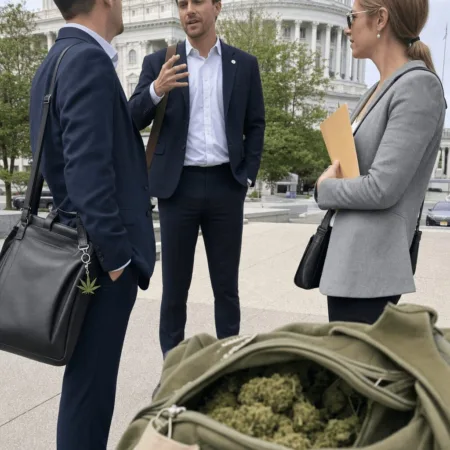
Connecticut has taken some big steps toward cannabis reform, especially with the passage of its adult-use cannabis law in 2021. Yet, the patchwork of state vs. federal cannabis regulations (National Conference of State Legislatures) has left many growers in limbo. Since cannabis remains federally illegal, states like Connecticut must walk a legal tightrope, similar to states such as Nevada where park-goers need to be aware of local marijuana laws. This tension is even more pronounced for hemp farmers, who often straddle both sides of the law before and after harvest. According to MJBizDaily, Connecticut’s expanding market has outpaced some legal definitions, leaving small farmers exposed to costly legal risks. With Connecticut’s cannabis industry projected to reach $250 million in sales this year, stakes are higher than ever for legal clarity and fair access.
Key Developments: Lawsuit Puts Local Farmer Center Stage
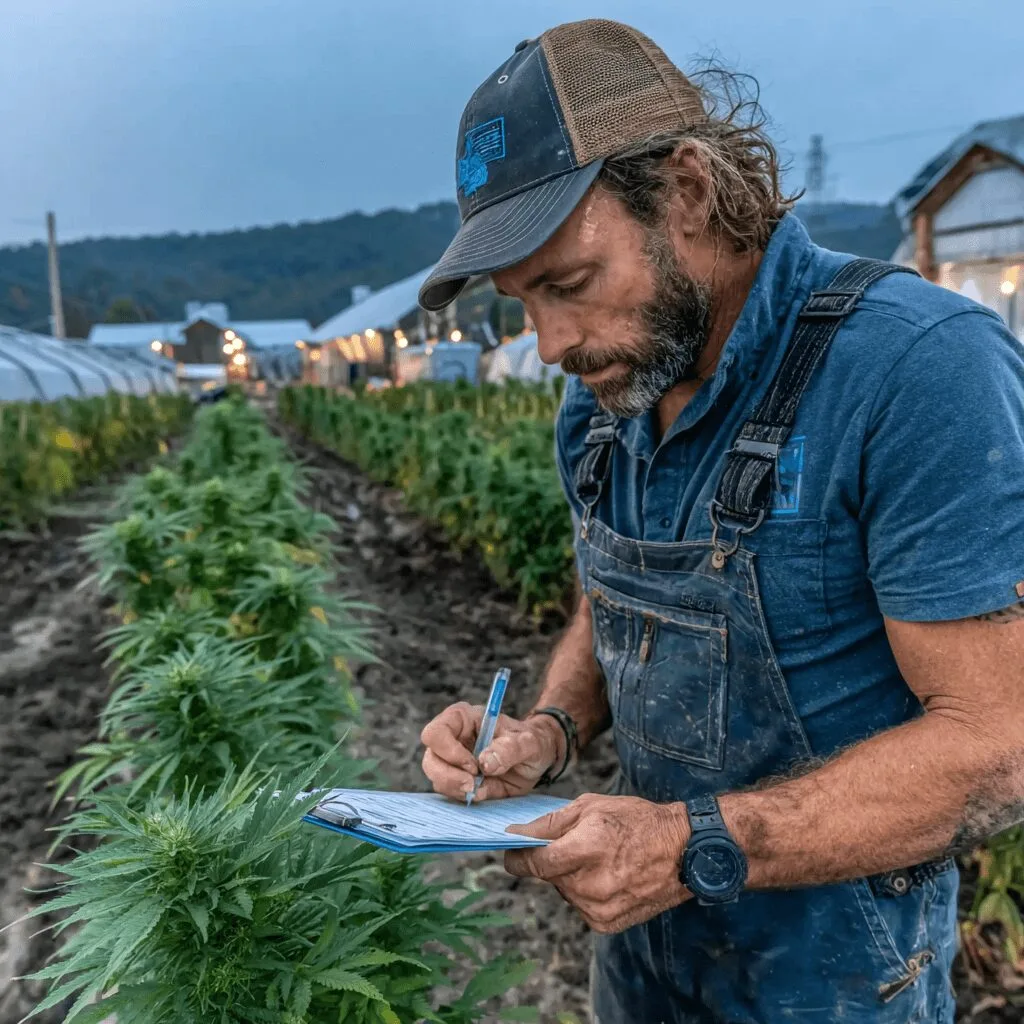
The heart of the federal lawsuit Connecticut cannabis controversy centers on Brant Smith, a well-known Connecticut hemp farmer from Cheshire. According to CT Insider, Smith claims the state’s evolving cannabis regulations unfairly exclude established hemp producers from the new market. He alleges the statute violates both the Connecticut and U.S. Constitutions. Filed June 3, 2024, the lawsuit targets the Department of Consumer Protection and several other state agencies. Smith’s core argument is simple: the licensing process and rules create unnecessary barriers for long-time hemp farmers—while in other communities, restrictions like community cannabis lounge bans can reshape access altogether. Meanwhile, new ‘social equity’ applicants are admitted ahead of seasoned growers. The state counters that the licensing rules ensure fair access and govern public health responsibilities. This federal lawsuit Connecticut cannabis case highlights how policy designed for justice can unintentionally sideline existing players in the field.
Expert Insight: Industry Weighs In on Competitive Fairness
The federal lawsuit Connecticut cannabis situation has caught fire in industry circles. According to an analysis from Leafly, states must constantly balance regulatory integrity with broad market participation. Industry insider Dr. Paula Collins notes, “We’re seeing a clear pattern. States want to onboard new social equity growers but also owe it to legacy hemp producers who built these markets in the first place.” As recent data from Hemmings show, Connecticut’s licensed market grew 35% in the last year, but not everyone is reaping the benefits. These dynamics often influence how alternative cannabis solutions—such as cannabis-based alternatives to alcohol—gain traction in communities. The lawsuit highlights the personal toll on established farmers, while also challenging legal loopholes that could set a precedent nationwide. In Dr. Collins’ words: “It’s about balancing opportunity and honoring hard work, that tension is healthy for legalization.”
Where Next? A Future Full of Potential—and Lessons for All
The federal lawsuit Connecticut cannabis debate is far from over, but its ripple effects are already felt. As lawmakers, advocates, and entrepreneurs across the state anxiously await the outcome, one thing is clear: the path to a fair and open cannabis market is winding, but achievable. Industry forecasters—such as New Frontier Data—expect further reforms and increased collaboration between state and federal agencies in the coming years. If Connecticut gets this right, it could stand as a model for other emerging markets. With grassroots advocates and innovative farmers still pushing for an inclusive approach, the future of cannabis in Connecticut is anything but bleak. The story proves that honest legal fights, even the toughest ones, make the industry stronger and more resilient for everyone.
Originally reported by: ctinsider.com