





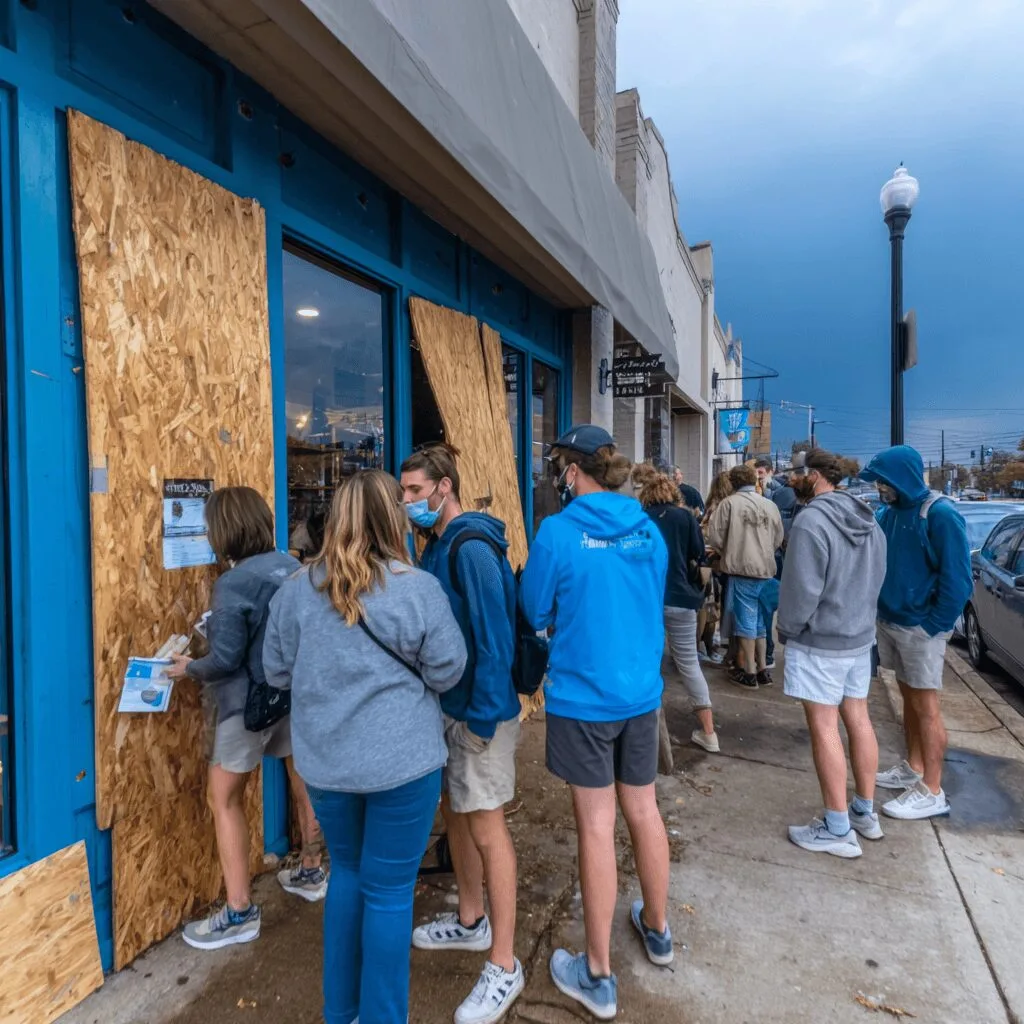
Fairborn smoke shop closure rocks city—owners vow legal fight
The Fairborn smoke shop closure has become a hot topic in both local and national cannabis circles. Shuttered storefronts and tense legal disputes aren’t new, but this one’s got its own local flavor. The sudden closure of a well-known Fairborn retailer has city regulars, industry pros, and cannabis reformers talking. Why does this matter? It’s more than just another store being boarded up—this is about regulations, rights, and how smoke shops fit into changing legal landscapes. In this article, we dive into the main facts, put the Fairborn smoke shop closure in broader context, and offer a balanced, expert-backed perspective on where the industry could go from here.
Understanding the Regulatory Backdrop in Ohio
To truly grasp why the Fairborn smoke shop closure has become front-page news, you must look at the maze of cannabis laws in Ohio. Although recreational use isn’t legal yet, Ohio voters approved medical cannabis back in 2016, setting up a tightly controlled dispensary system (Ohio Medical Marijuana Control Program). Any retailer operating outside that system risks legal blowback. Yet, the line between “smoke shop,” CBD retailer, and low-THC cannabis vendor can get blurry. According to Leafly’s recent coverage, enforcement often depends on how products are labeled, marketed, or sold. The market is a patchwork of rapidly shifting policies, city ordinances, and state crackdowns, making life complex for independent shop owners—not to mention their customers, who face mixed messages about what’s permitted. Ohio’s cannabis discussions have recently become even more charged, in part due to the movement of grassroots advocates pushing for legal reform in the state.
This ongoing tug-of-war reflects a nationwide trend, where federal law still lists cannabis as a Schedule I controlled substance (Drug Enforcement Administration), but states and municipalities hurry to modernize. Into this regulatory chaos walks anyone bold enough to run a smoke shop in Fairborn, where local ordinances sometimes go beyond state guidance, sparking confusion and, now, controversy.
The Fairborn Smoke Shop Closure: Core Events & Legal Controversy
Let’s break down what happened with the Fairborn smoke shop closure. According to Dayton Daily News, city officials boarded up the shop on a quiet weekday, citing alleged code violations and community safety concerns. The owners of ‘Free Joints Smoke Shop’ insist they’ve always operated above-board, specializing in cannabis accessories, rolling papers, and hemp-derived flower (all technically legal under current rules). The store abruptly closed in mid-June, leaving employees and regulars stunned. Signage was removed and plywood went up fast, giving the small storefront a sudden ‘out of business’ look overnight. In similar cases, merchants have faced law enforcement actions resulting from high-profile arrests—such as those detailed in recent coverage of community responses to cannabis-related arrests.
What triggered such a swift response? The official city statement points to alleged sales of cannabis products outside the state’s regulated dispensary network. However, the owners counter such claims, arguing all inventory met the allowed definitions for hemp-derived cannabinoids (in line with the FDA’s current federal policy on hemp). The battle isn’t over: the shop’s legal team has already announced plans to sue the city, seeking damages for lost income, alleged harassment, and what they call an overreach of municipal authority.
The story has rippled beyond Fairborn’s borders, with advocacy groups warning this crackdown could set a precedent for future enforcement, especially as more shops skirt the gray zones between local, state, and federal cannabis laws.
Industry Analysis and Cannabis Advocacy Perspectives
The Fairborn smoke shop closure isn’t just a legal spat, it’s a microcosm of bigger industry battles. Ohio’s cannabis scene has seen more merchants testing the boundaries, as legal distinctions evolve around hemp, CBD, and low-THC flower. Shop owners aren’t just fighting for their business—they’re fighting for clarity and hope for broader acceptance, similar to recent developments where cannabis is breaking new ground in mental health care for veterans.
Industry experts like MJBizDaily argue that inconsistent enforcement inevitably drives confusion among sellers and consumers. As Dr. Amanda Reiman, a veteran cannabis policy researcher, puts it, “When cities act without transparency, they push small businesses further into the margins. We need rules, yes, but also room to innovate.” (Weedmaps News)
The local Fairborn dustup mirrors larger fights in places like Illinois and California, where sudden crackdowns have resulted in lawsuits and, sometimes, actual policy reform. What stands out here is the owners’ commitment to transparency—their open ledger of tested products and insistence on legal compliance underlines their faith in a fair system, even when the system wobbles. The discomfort among locals isn’t about safety, it’s about watching livelihoods and access collide with bureaucracy, a theme echoed in recent industry surveys that reveal what local communities really think about cannabis policy.
The wider industry takeaway? The push for clear, consistent cannabis rules is more urgent than ever if communities hope to balance safety, access, and entrepreneurship.
Outlook: Reform, Resilience, and the Future of Cannabis in Ohio
The Fairborn smoke shop closure serves as both a warning and a catalyst. For every setback, the cannabis community has shown grit and agility—there’s plenty of precedent for courts siding with shops, depending on policy specifics (NORML Legal Resources). This moment is sparking crucial conversations about due process, small business rights, and equal enforcement. Mainstream attitudes toward cannabis continue shifting, which means political willpower can catch up with the facts on the ground. Across Ohio and the nation, cases like this may help drive new legislative clarity or inspire more robust protections for compliant retailers.
Optimistically, the legal challenge may shine a spotlight on outmoded or ambiguous laws, fueling public advocacy for transparent, science-based cannabis policy. As the industry landscape matures, Fairborn’s loss today could become a win for smarter regulation—and a more open, equitable market tomorrow.
Originally reported by: daytondailynews.com



1 Comment
Pingback: Trump marijuana executive order: What Changes Now?