

Employee Forged Medical Marijuana Card: Shocking State Scandal
No, you’re not tripping—this employee forged medical marijuana card story is real and it’s making serious waves. Right now, trust in government and the medical marijuana process is at stake. With cannabis laws, workplace policies, and public perceptions all colliding, even the chillest onlooker can’t ignore why this headline matters. Current turmoil in state regulations, rising medical card demand, and high-profile infractions push accountability front and center. If an employee forged medical marijuana card within a state office, what does that mean for everyone else—from patients to policymakers? Let’s dig into where things went wrong, what it means for the industry, and how cannabis reform can stay on track.
Understanding the Regulatory and Social Backdrop
Let’s roll back and spark some context: Medical marijuana is finally mainstream in the U.S., but the rules aren’t one-size-fits-all. Every state—including South Dakota, where this recent saga played out—runs its own program full of paperwork, ID cards, and compliance lists galore. According to The New York Times, over 30 states have legalized medical marijuana in some fashion. That’s progress, but regulatory systems are strict. ID cards are the golden ticket: If yours isn’t legit, it can mean criminal charges or job loss, especially for state employees. The credibility of these programs hinges on trust, between patients, providers, and regulators. The state’s reputation is on the line, and so is the broader fight for mainstream cannabis acceptance. As more folks seek medical cannabis for pain, sleep, anxiety, and legit medical issues, the pressure on ID verification gets even heavier, a pressure echoed in states like Nebraska during current debates about medical cannabis regulations.
The Scandal: Key Developments and Issues Unveiled
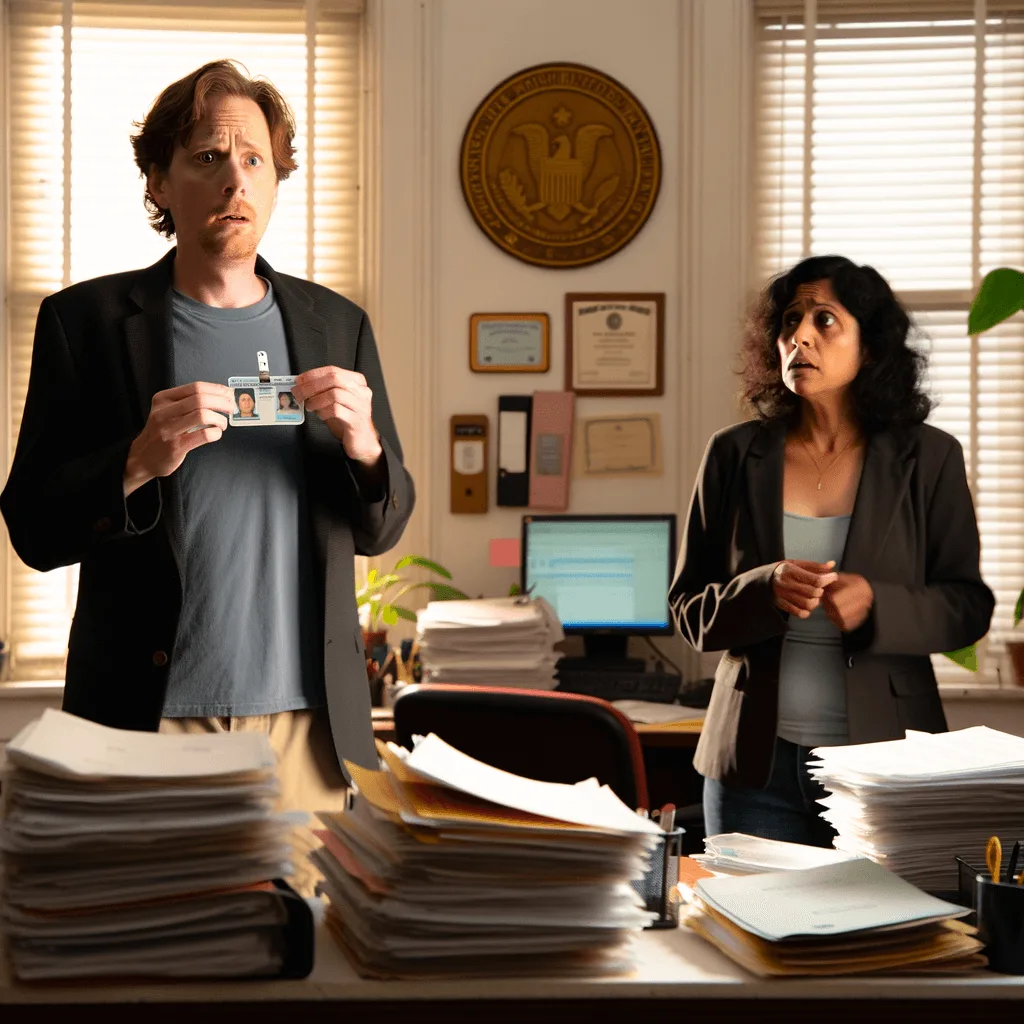
Here’s what went down, based on Sioux Falls Live: A South Dakota state employee was caught after she forged her own medical marijuana card. She worked at a government agency, and the whole thing unraveled during a standard review. State supervisors spotted inconsistencies—wrong serial numbers, mismatched doctor info, you name it. This left officials no choice: They investigated, confronted the employee, and eventually she admitted to the forgery.
Legal proceedings were swift. The employee pleaded guilty, was fined, and ultimately lost her state job. The incident happened in late 2023, rattling both the South Dakota medical marijuana registry and public trust in government screening processes. Notably, state regulators emphasized that there was no evidence of a broader operation or any other employees involved, but the story alone echoed across the industry. The South Dakota Department of Health responded with new checks on their records and promised more transparency moving ahead (as noted in the Argus Leader). The effects of these events are felt in small communities nationwide, such as when local arrests in towns like Brenham spark broader debate over cannabis laws.
Expert Analysis: What Does This Incident Mean for Cannabis Policy?
This employee forged medical marijuana card case drops right at the intersection of bureaucracy and cannabis reform. Integrity in card systems means everything—otherwise, the entire system risks losing public trust. Think about it: one bad apple, and everyone from pain patients to dispensary owners takes the heat. As Marijuana Moment often highlights, robust verification is a must.
Dr. Jessica Knox, a physician and industry leader, summed it up best: “Patient access is our north star, but we have to calibrate our compass with transparency and trust. Incidents like these make it harder for real patients to get care, and make the fight for fair cannabis policy even more complicated.” (Source: Forbes).
But here’s where it gets nuanced: Some folks turn to forgery because real medical access feels out of reach—think long waitlists, stigma, expensive doctor visits, and employment fears. The cannabis industry, at its best, pushes for honest, efficient, and patient-centered solutions, not more bureaucratic mazes. That means learning from snafus like this, not weaponizing them against folks who genuinely need relief. Bottom line: The system’s got to strike a balance—safe access, public integrity, and real compassion, as seen with recent movements challenging restrictive policies and advocating for legalization in unexpected places like Texas.
Looking Forward: Lessons and the Future for Medical Marijuana Programs
So, what comes next after this employee forged medical marijuana card debacle? Let’s not lose sight of progress. States are doubling down on better ID systems, more reliable checks, and fair access rules. As Leafly reports, today’s industry is way more sophisticated and less forgiving of fraud. Still, the push is on for sensible regulations—ones that boost transparency without putting patients through the wringer.
This headline is a speed bump, not a roadblock, in the journey toward responsible, functional cannabis policy. Trust is earnable—and with every honest step, social acceptance climbs higher. The future for medical marijuana? It’s greener, more equitable, and rooted in genuine care for patients and the community at large. That’s a vision we can all vibe with.
Originally reported by: siouxfallslive.com