


El Paso Public Life Abuse: Why the Silence Must End
Hey there, green thinkers. It’s a wild world for the cannabis community, especially when complex social issues—like El Paso public life abuse—are so woven into the conversation. Why does this matter today? Because news of public abuse in El Paso’s civic spaces has surfaced just as calls for greater accountability, safety, and inclusion are shaking up our legal and cultural landscape. The intersection between public safety, transparency, and community trust is more critical than ever for both advocates and skeptics. Whether you’re part of the industry, a local, or just watching from the sidelines, understanding the far-reaching impacts of El Paso public life abuse is essential for forging a more just and open environment where everyone can thrive. Let’s break down what’s happening, what’s driving it, and what we as a movement can actually do about it.
Where We Stand: Legal, Social, and Regulatory Background
To truly unpack El Paso public life abuse, you’ve got to know the larger regulatory and cultural terrain. The cannabis industry itself has made huge progress, from medical legalization efforts in Texas (Texas Tribune) to shifting national attitudes on criminal justice and public accountability. But this isn’t just a story about cannabis, it’s about the broader lack of oversight and transparency in public institutions, which, according to expert analysis from The New York Times, can create the perfect storm for abuse of power. These issues often fly under the radar until the community or grassroots advocates, many aligned with reform causes like cannabis, shine a light on them. Over the past decade, local Texans have been vocal about their desire for more responsive and accountable leadership, pushing for reforms at city and state levels. Recent developments in community-led reform efforts demonstrate this drive for change and provide new context, as highlighted by how local impacts shape cannabis legalization in communities nationwide. Grassroots campaigns inspired by both social justice and cannabis activism have shown real muscle. Still, the overlap between political inertia and lagging enforcement remains a pain point, keeping El Paso public life abuse firmly in the headlines.
The Facts: Recent Developments & What’s Sparked the Outcry
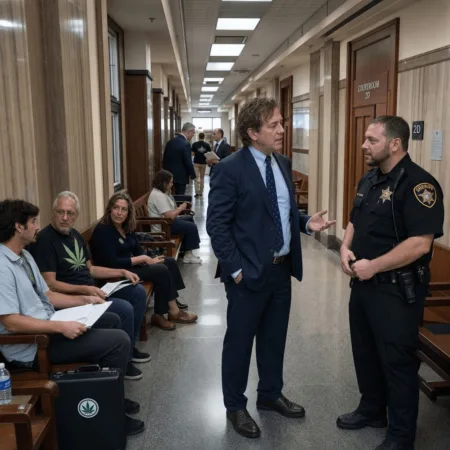
Here’s the lowdown: Recent reports have put El Paso public life abuse front and center, drawing attention to how civic leaders and officials handle incidents of violence and misconduct. According to El Paso Matters, opinion leaders Nicole Ferrini and Max Grossman have bravely shared personal accounts and called for overdue accountability from city officials. They cite an alarming pattern: local government and civic leaders allegedly ignoring or downplaying instances of family violence and abuse, and failing to enact reforms when it comes to reporting and intervening.
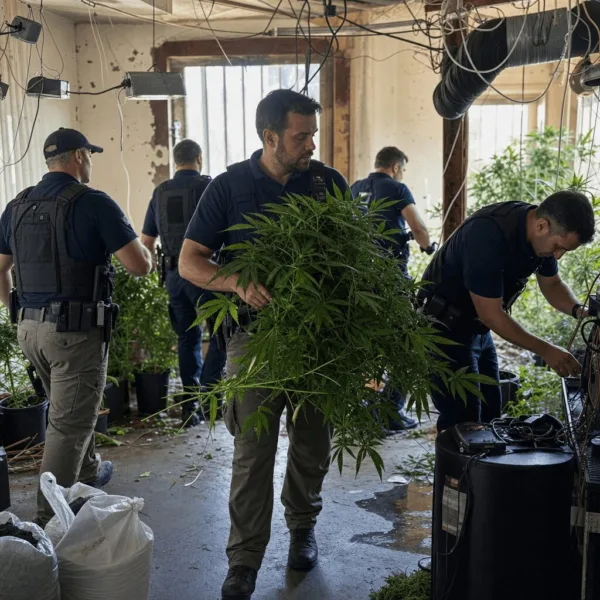
The issue isn’t limited to one person or event. According to the same El Paso Matters report, Ferrini, a well-known public official, recounts surviving family violence while serving in a public capacity. Instead of support, she describes facing institutional silence and bureaucratic avoidance. Grossman, an influential historian and advocate, amplifies these similar experiences and argues for stringent oversight. These firsthand testimonies, alongside rising local and social media awareness, are forcing city boards and the public to reckon with the scale and impact of El Paso public life abuse. In a broader context, major criminal justice events—like recent marijuana-related trafficking arrests shaking entire communities—raise questions about enforcement and accountability, similar to those discussed in the wake of high-profile enforcement actions. The city council has recently pledged to review internal processes and improve reporting mechanisms, but critics say real transparency and accountability have yet to arrive.
Breaking It Down: Cannabis Industry Lessons & Community Insights
Now, let’s get slightly herbal about the big picture. Communities rocked by El Paso public life abuse are demanding the same straight-up transparency and accountability that the cannabis industry has been fighting for in public policy. Just like legal cannabis caught flak from outdated narratives and legal inertia, public institutions risk losing community trust without real reform. According to leading cannabis advocate Dr. Carolyn Burns (Leafly), “When you empower the community, especially marginalized voices, you raise the standard for everyone, whether it’s healthcare, cannabis laws, or civic safety.” Let’s be real: If we want better institutions, it’s time to let the air clear. Advocates and the canna-curious alike have long called for more sunlight around police records, municipal actions, and even industry practices. In fact, some communities have seen sales shifts and tax booms—surprising local governments with their impact and highlighting the importance of proactive policies, a trend recently seen in changing cannabis sales patterns. Just as the cannabis space has shifted from stigma to regulated acceptance, public life in El Paso needs that same dose of patient, persistent push for reform.
Of course, activists aren’t just pointing fingers. Solutions already exist, from independent citizen review boards to mandatory reporting and trauma-informed policy. But like with sensible cannabis regulation, these only work if leaders get serious about enforcement and dialogue. That’s what keeps hopes high (pun intended) and real change within reach.
The Road Ahead: Hope on the Horizon
So, what’s next for El Paso and the cannabis community? Honestly, there’s good reason to stay optimistic. Even as El Paso public life abuse cases come to light, the public’s demand for openness and fair regulation echoes the game-changing momentum we’ve seen in cannabis. State legislatures and even municipal councils are developing new tools for oversight, just as the cannabis sector has steadily polished its standards through hard-fought advocacy. According to Marijuana Moment’s ongoing policy tracking, Texans are increasingly supportive of regulatory reforms—for both public safety and cannabis, and the overlap is only getting stronger. With patient organizing, comedic relief when needed, and yes, a little chill when times get tense, the combined energy of social justice and cannabis communities can help spark a future where silence is replaced with transparency, and where El Paso serves as a model for healing and progress. Stay tuned, stay engaged, and above all—keep it elevating.
Originally reported by: elpasomatters.org