





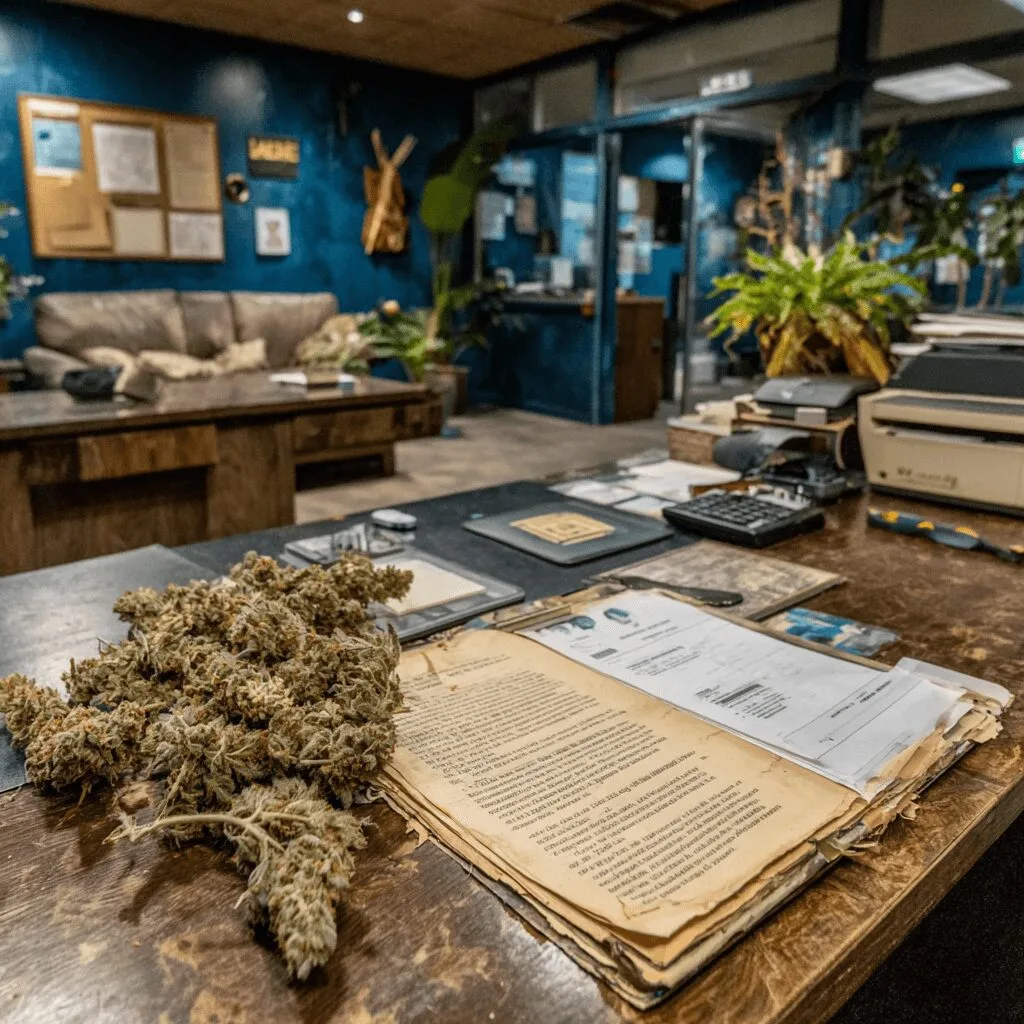
DEA Marijuana Delay Scandal: Hidden Truths Behind the Controversy
If you’ve been keeping tabs on the U.S. cannabis landscape, you already know it’s never boring. Right now, the buzz is all about the DEA marijuana delay scandal, a situation charged with controversy, confusion, and major policy stakes. As cannabis advocates cheer for progress, government roadblocks continue to stall desperately-needed reforms. This recent controversy isn’t just regulatory drama—it’s a direct hit to the hopes of millions awaiting sensible, science-driven cannabis policies. Let’s roll up the facts, light up some insights, and see what’s really going down in the heart of the cannabis debate.
Inside the DEA Marijuana Delay Scandal: Institutional Drag, Politics, and Progress
The DEA marijuana delay scandal isn’t just a single incident, it’s emblematic of deeper systemic slowdowns dogging cannabis reform nationwide. For decades, the Drug Enforcement Administration has classified cannabis as a Schedule I drug, right next to heroin, meaning it’s officially considered to have “no medical value” and a “high potential for abuse.” Despite years of mounting medical evidence (NIH research continues to show otherwise), re-scheduling moves at a snail’s pace. Social attitudes have shifted massively: Gallup finds that nearly 70% of Americans support legalization, a tidal change from past decades. Many communities, reacting to these slow changes, have faced local debates about the risks and ramifications, such as those sparked when authorities bring marijuana to minor charges into the public spotlight and prompt further conversation around cannabis reform. Still, the DEA, caught between legal inertia and federal politics, remains slow to change. Meanwhile, state markets boom, patients clamor for access, and cannabis businesses face regulatory roadblocks that stifle innovation, investment, and tax revenue gains, often due to that stubborn federal classification. Add in conflicting policies between the White House and DEA, and you get the perfect recipe for delays, frustration, and public mistrust.
The Heart of the Dispute: Key Developments & Breaking News
According to a recent report from Yahoo Finance, the DEA marijuana delay scandal erupted as advocates, researchers, and industry leaders accused the agency of stalling critical reforms. In May 2024, leaked correspondence suggested that, while the Biden Administration had signaled support for cannabis rescheduling, the DEA moved against recommendations from the Department of Health and Human Services (HHS). HHS recommended moving cannabis to Schedule III—making it available for medical research and business viability. Instead, reports described the DEA as erecting “a wall of dishonor” against change, prolonging public health struggles and business uncertainty. Major industry organizations, including Americans for Safe Access and NORML, have filed legal petitions and actively challenge the agency’s refusal to expedite review procedures. The frustration is especially acute as major states like Illinois, California, and New York overhaul their legal frameworks for adult-use and medical marijuana, a conflict reminiscent of the heated policy shifts seen during the recent New York mayoral marijuana debates. The controversy puts pressure on the Biden administration, which faces criticism from both advocates and investors for failing to deliver on campaign promises of federal cannabis reform.
Expert Analysis: What’s at Stake and Why It Matters
Let’s blaze a trail through the real story, The DEA marijuana delay scandal stifles more than politics, it hinders research, healthcare, and American entrepreneurship. As Marijuana Moment points out, continued delays lock patients out of evidence-based therapies and force businesses into legal gray zones. Industry veteran and analyst Steve Fox highlights, “The DEA’s feet-dragging saps confidence, not just in government but in patients hoping for access and entrepreneurs seeking to build sustainable businesses.” Established sources like NORML and Leafly News echo that the scandal could cost billions in unrealized tax revenue, research funding, and harm reduction opportunities. The slow grind of reclassification hurts everyone—patients, businesses, and taxpayers—while fueling skepticism about whether the government can keep pace with science and social trends. Amid these federal delays, local economies also suffer, as seen in Santa Barbara where cannabis tax revenue is declining and highlighting broader impacts across the industry.
The Road Ahead: Optimism Amid the DEA Marijuana Delay Scandal
Despite institutional slowdowns, hope isn’t haze—it’s a clear head. The scandal might be a major bummer, but the momentum behind legal reform, public support, and industry development keeps growing even louder. State-level victories, pressure from bipartisan lawmakers, and tireless advocacy signal that change—however gradual—is inevitable. As Cannabis Business Times reports, the U.S. industry is poised for record growth by 2025, and cross-state markets are expanding even under hostile federal policy. It’s a marathon, not a sprint. Ultimately, the DEA marijuana delay scandal may turn out to be a catalyst for even more determined activism and, eventually, a smarter and more compassionate national approach to cannabis. Stay hopeful—the plant and the movement aren’t stopping now.
Originally reported by: finance.yahoo.com


1 Comment
Pingback: BC cannabis direct delivery: What You Need to Know Now