

DC marijuana alcohol partnership: Mayor’s bold new proposal
It feels like Washington, DC is always on the edge of something big. The new DC marijuana alcohol partnership proposal is turning heads across industry and policy circles. With cannabis culture blossoming and consumers craving innovative, responsible ways to enjoy THC, the city’s latest move signals a real shift in how cannabis and alcohol could coexist. In this piece, we’ll break down what’s at stake—covering the policy background, the mayor’s revolutionary plan, and how this trend mirrors national debates about regulated cannabis consumption.
Background: How Cannabis and Alcohol Collide in DC
The push for a DC marijuana alcohol partnership comes hot on the tail of DC’s evolving legal landscape. Since 2014, Initiative 71 allowed adults to possess and grow limited amounts of cannabis, though retail sales have stayed tangled in Congressional restrictions. Meanwhile, local businesses have been navigating a cannabis gray area, including dispensaries, medical programs, and “gifting” models thriving in the shadow of federal uncertainty (DC Government, Cannabis Laws). Alcohol, of course, is regulated separately under ABRA, and the two industries have been kept in separate lanes by local and federal policymakers.
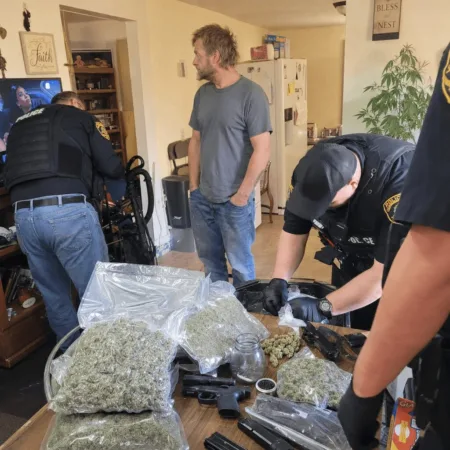
Market watchers and policy wonks know these barriers have stifled creative product development, especially with the surge in THC-infused beverages seen in states like California and Colorado (Leafly on THC Beverage Market). In other markets across the country, local policy changes have caused significant debate—many communities reacting much as those impacted by major law enforcement events, such as the recent Breaux Bridge marijuana bust. Until now, the idea of collaborative ventures for THC cocktails or co-branded nightlife experiences has been limited by licensing and federal drug scheduling.
Key Developments: Mayor Bowser’s THC Beverage Proposal and DC Marijuana Alcohol Partnership
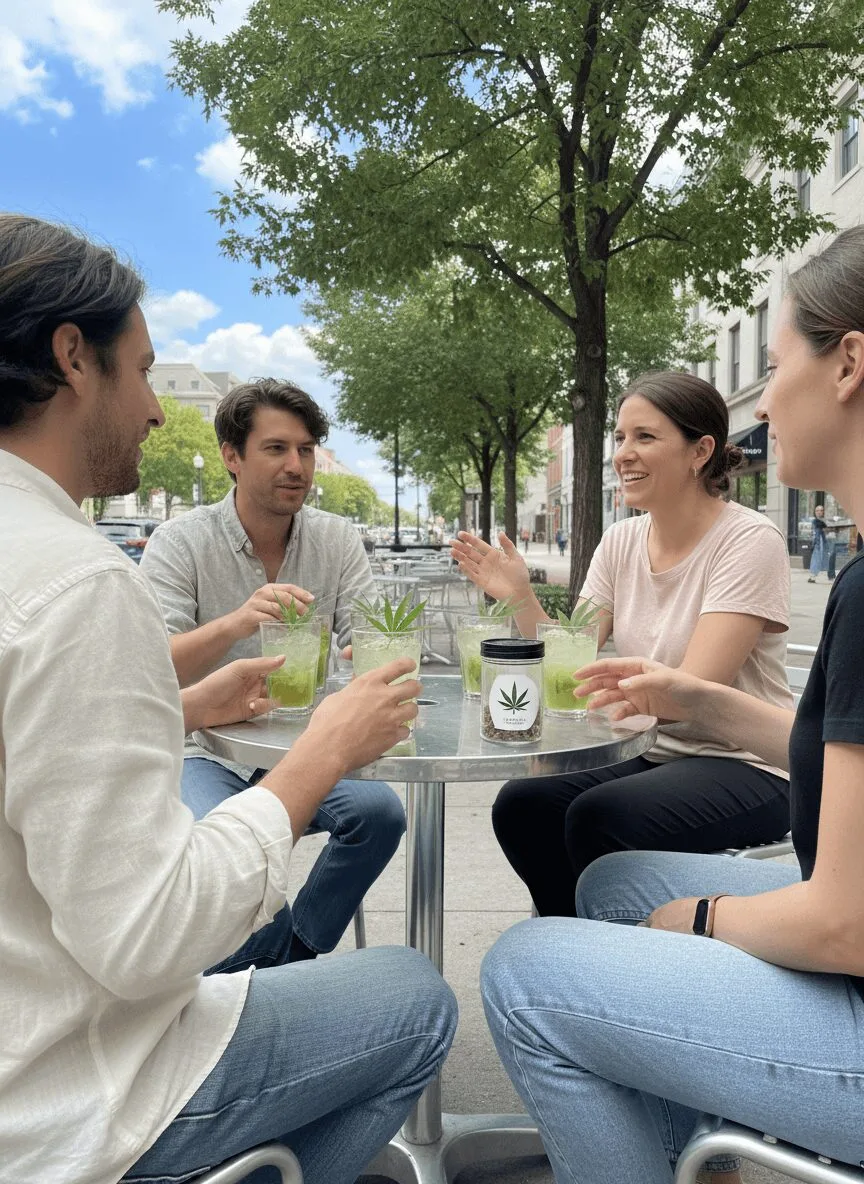
Earlier this week, DC Mayor Muriel Bowser unveiled a plan to let licensed medical marijuana businesses partner up with existing alcohol providers. As detailed in the mayor’s proposed budget, the DC marijuana alcohol partnership would permit adult use of THC beverages in bars, restaurants, and licensed social venues, with proper ABRA oversight. Medical marijuana operators could collaborate directly with breweries, wineries, and distilleries to make and serve THC-infused drinks, creating a whole new “canna-cocktail” market in the District (Marijuana Moment coverage).
The proposal establishes clear regulatory protocols: all cannabis-infused beverages must be sold by licensed operators, on-premise consumption lounge pilots would be authorized, and packaging must meet child safety and labeling requirements. The timing is no accident, as it is part of a broader strategy to grow local revenue and get ahead of illicit market activity that’s been thriving in DC’s cannabis gray zones. Much the same way other states, like Georgia, have undertaken legislative change in the face of shifting medical marijuana laws—seen in recent updates for Georgia patients—DC is looking to develop its own model for responsible consumption. DC’s Alcoholic Beverage and Cannabis Administration (ABCA) would take a front seat role in enforcement and quality control.
For consumers and businesses, the DC marijuana alcohol partnership could open doors for responsible, legal social consumption spaces and innovative new products, but there’s still plenty of process ahead. The Council must approve the proposal, and federal conflicts remain unresolved.
Expert Take: What DC’s Cannabis-Alcohol Crossover Means
Industry insiders are calling the DC marijuana alcohol partnership proposal both bold and long overdue. The move fits with larger national trends, as states integrate cannabis into the social fabric while keeping consumer safety center stage. According to Benzinga reporting, Minnesota recently enacted similar reforms, allowing alcoholic beverage makers to enter the THC seltzer market, resulting in impressive growth that was highlighted in recent market analysis showing what’s driving Minnesota’s recreational cannabis revenue.
Jane West, renowned cannabis entrepreneur, put it bluntly: “Collaborative models between alcohol and cannabis businesses aren’t just more interesting for consumers, they’re critical for fighting the illicit market and normalizing plant-based products” (Forbes: Cannabis Beverages Mainstream).
For DC, this partnership is also about closing loopholes and giving social consumption a legal home so folks aren’t forced into back corners or private apartments to enjoy responsibly. In fact, as more cities begin to set policy caps and structure fees for cannabis, the District’s approach may shape broader regulatory debates around public safety and access (city decisions on cannabis fee policy caps).
Looking Forward: A Greener, Brighter DC Nightlife?
As policymakers wrestle with federal contradictions, DC’s marijuana alcohol partnership is a necessary leap into the future. Similar efforts in California and Canada have shown that integrated, well-regulated THC beverage programs can reduce harm, grow legitimate businesses, and make city nightlife more inclusive (Civilized: Infused Drinks & Legalization). With local tax revenues at stake, pressure is on for DC to stay competitive—and relevant—as more cities ditch prohibition-era thinking.
Whether you’re a cannabis connoisseur, health-minded imbiber, or just a curious policy geek, this story is far from over. If City Council approves, expect a whole new world for DC’s bars and lounges—proving once again, the cannabis industry is growing up, maturing into the nightlife, and earning its seat at the social table.
It’s a sign that the nation’s capital isn’t just writing policy history—it’s toasting to it. Here’s to a future where the DC marijuana alcohol partnership unlocks safer, more vibrant spaces for everyone.
Originally reported by: marijuanamoment.net