


Children Exposed Marijuana Smoke: Alarming Risks & Lynchburg Action
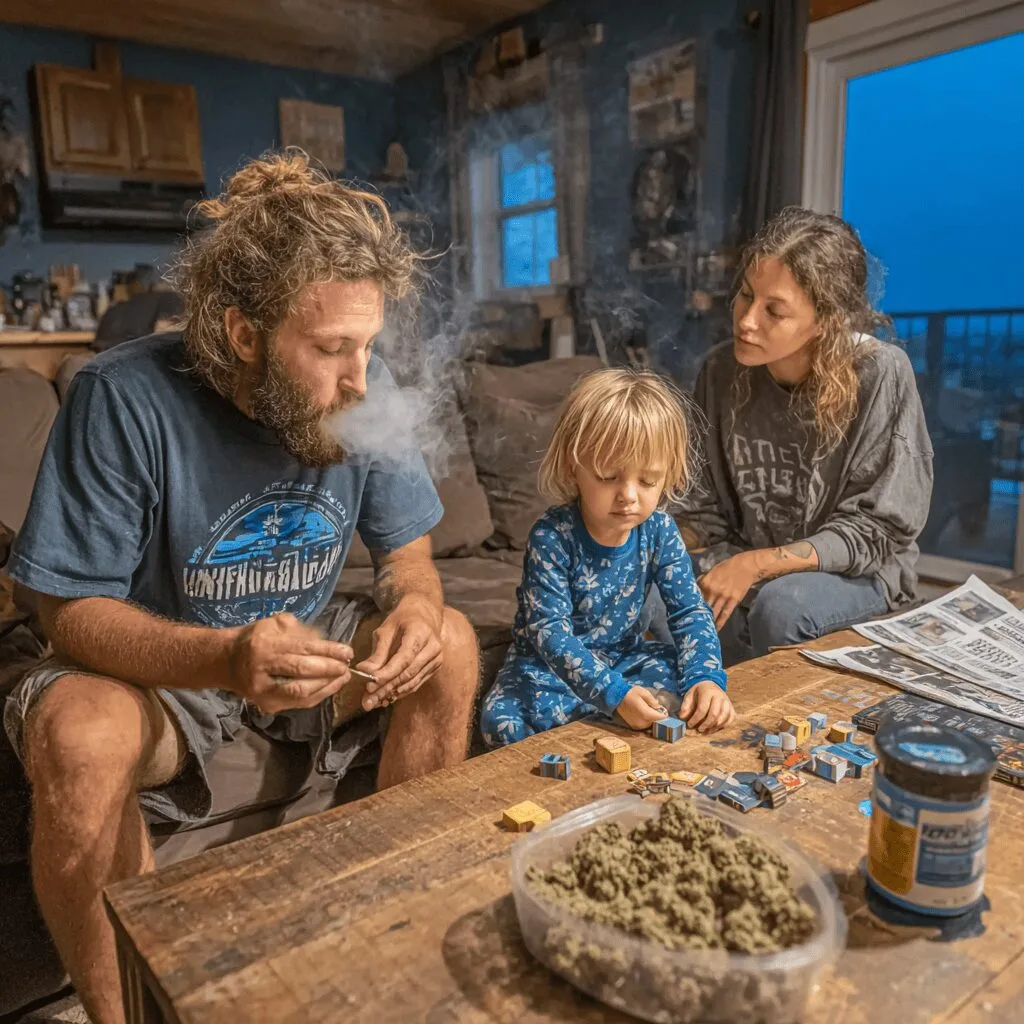
Let’s tap into real life: cannabis legalization is expanding fast, but with progress comes tricky situations. Children exposed marijuana smoke is a growing concern—surfacing everywhere from the headlines to your neighbor’s living room. Recent news dropped out of Lynchburg, signaling not just alarm about secondhand cannabis smoke, but also action from city leaders. As debates heat up, it’s time to bring some clarity: what’s actually happening, what matters, and—most crucial—what solutions cannabis advocates and families can unite behind.
Why Is This an Issue? The Regulatory, Legal, and Social Background
It’s no secret, the U.S. has witnessed a massive shift on cannabis culture. Legalization opens new opportunity, but also a patchwork of rules. States like Virginia, for example, have decriminalized and legalized marijuana for adults, according to the National Conference of State Legislatures. But, with laws centered on adults, there’s a big gray zone around children exposed marijuana smoke. Social norms are catching up slowly, with parents sometimes believing cannabis is safe to use at home—yet concerns for foster children and the unique challenges for at-risk youth remain especially relevant in communities benefiting from cannabis tax revenue (see how local cannabis funds support foster care in Rochester). Regulations typically prohibit cannabis use in public venues, school grounds, or daycare settings (Washington State Department of Health), but enforcement in private homes or apartment buildings is inconsistent, often leaving children exposed marijuana smoke overlooked. Social services and healthcare providers have started ringing alarm bells. The CDC strongly cautions against secondhand cannabis smoke exposure for minors, with ongoing public health campaigns aiming to close the information gap for families.
Lynchburg’s Wakeup Call: Key Developments, Facts, and New Protections
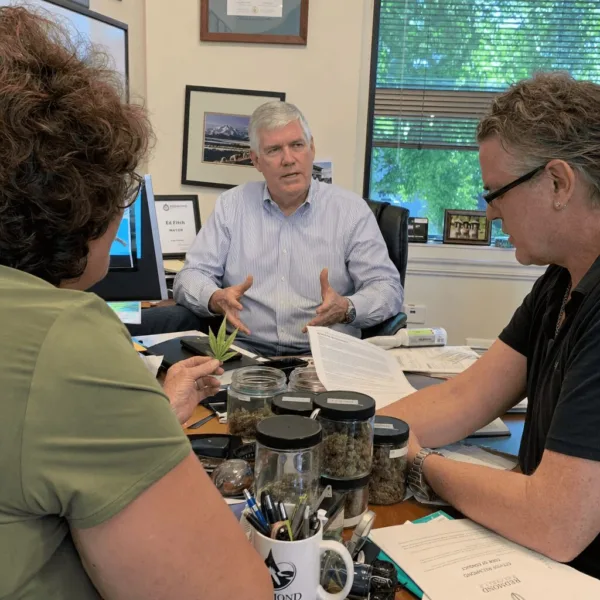
Let’s get right to the headline. On October 17, 2025, Lynchburg city leaders made waves by spotlighting the dangers around children exposed marijuana smoke at home. WDBJ7’s video report details how officials, backed by local medical and legal experts, are calling for tighter rules. This isn’t just talk. City council members, inspired by recent reports of child hospitalizations for secondhand cannabis exposure, are urging new protections. For comparison, city policies evolving in response to new dispensary openings often reveal how local leaders set standards for safe access and neighborhood impact, much like the shifting policies seen in Tracy, California (read more about town-level changes and dispensary openings). The urgency traces back to documented cases shared by Lynchburg’s health department and law enforcement, with social workers reporting a noticeable uptick in young patients experiencing secondhand smoke symptoms. While no new ordinance has passed yet, leaders are seriously considering local restrictions, including fines for exposing minors to marijuana smoke inside living spaces, based on comparable approaches already trialed in other municipalities (Sacramento Bee on California weed law). According to nationwide pediatric data compiled by JAMA Pediatrics, cases of accidental marijuana smoke exposure among children have increased by 13% in states with adult-use legalization since 2018. Lynchburg leaders are also discussing educational campaigns and potential landlord responsibilities where multi-unit housing is involved. The school board is weighing in, expressing concern about cannabis normalization and kids’ respiratory health. Lynchburg may become a model for community-driven cannabis safety policy in the South.
Expert Analysis & Pro-Cannabis Counterpoints
Okay, let’s be real, hearing about children exposed marijuana smoke sure doesn’t vibe with responsible cannabis culture. But nuance matters. The cannabis industry has always stressed safe, legal, and mindful consumption, especially around kids. Most major cannabis advocacy organizations, such as NORML, emphasize adult responsibility as central to legalization’s social contract. What’s unique here is how Lynchburg is engaging the issue, publicly and with transparency. Industry insiders see education as a key fix, and communities facing concerns about young adults’ sleep risks and secondhand exposure can benefit from evidence-based guidance (understanding sleep risks and youth health). As Dr. Amanda Reiman, a respected researcher and policy expert, put it in a piece for Marijuana Business Daily: “Marijuana normalization is happening, but it’s education—not just more rules—that leads the way for families.” She continues, “If we teach parents best practices, most want to do the right thing, cannabis users included.” Advocates are quick to note that demonizing cannabis, or issuing blanket bans, just pushes use underground, where risks get higher and education gets lost. Public education campaigns around secondhand cannabis smoke, like those successfully implemented in Canada since legalization according to Health Canada, might provide a smart middle ground. In short, responsible regulation and informed use can reduce harm without resorting to knee-jerk prohibition.
Future Outlook: Positive Change & Cannabis Community Growth
Stepping back, the conversation about children exposed marijuana smoke is a sign of legal cannabis maturing as an industry and cultural force. Lynchburg’s focus might spark similar action across other midsize cities, while advocacy groups push for even better parent education and clear household safety guidelines.
There’s reason for optimism: the legal cannabis community is listening, adapting, and helping shape balanced, data-driven solutions. As more research is published—like recent work from the CDC and major academic centers—families and lawmakers gain the tools they need to keep kids safe, without tossing aside adult freedoms.
The future? More open conversations, less stigma, and smart, community-based cannabis policy. The industry’s growth continues—as does the shared responsibility to ensure every household understands the importance of protecting children from secondhand marijuana smoke exposure. Stay tuned: as public awareness builds, positive and practical change is just starting to spark.
Originally reported by: wdbj7.com
1 Comment
Pingback: Marijuana Smoke Child Protection: What Every Parent Needs to Know