

Child Trafficking Jefferson Bullitt: Shocking New Details
Right now, the issue of child trafficking Jefferson Bullitt is front and center in Kentucky headlines. The latest details are turning heads across the state and it’s vital for everyone in cannabis, advocacy, and policy circles to stay informed. These new developments affect not only law enforcement and at-risk youth, but also highlight how legal grey areas—especially around cannabis—can intersect with broader social crises. Let’s break down what’s happening, examine the core facts, contextualize them within the cannabis sphere, and discuss what it really means for our communities.
Understanding the Child Trafficking Crisis: Social and Legal Context
To grasp why the child trafficking Jefferson Bullitt headlines are so alarming, it’s key to look at the roots. Kentucky, like many states, has seen a sharp rise in human trafficking cases, often brushing up against the larger problems of poverty, addiction, and insufficient law enforcement resources. According to the Kentucky Office of the Attorney General, these crimes frequently go under-reported and are harder to prosecute in suburban and rural settings like Jefferson and Bullitt counties. The state’s regulatory landscape has long struggled to keep pace with realities on the ground. Cannabis legalization remains in flux in Kentucky (official records), which contributes to confusion about what’s legal and what is not. This atmosphere can sometimes enable criminal actors to hide in plain sight, exploiting both legal ambiguities and vulnerable populations. Communities in other regions, such as Prescott, have felt the pressure in similar ways as seen in recent local shop crackdowns over hemp THC products. Community tension runs high as parents, advocates, and public officials demand faster action and better protection for children. The intersection of emerging cannabis culture, evolving law, and these urgent social matters creates a landscape where everyone feels the stakes are personal.
Key Developments: Latest Events in the Child Trafficking Jefferson Bullitt Story
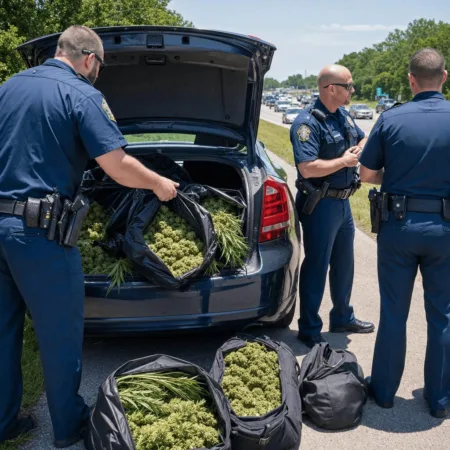
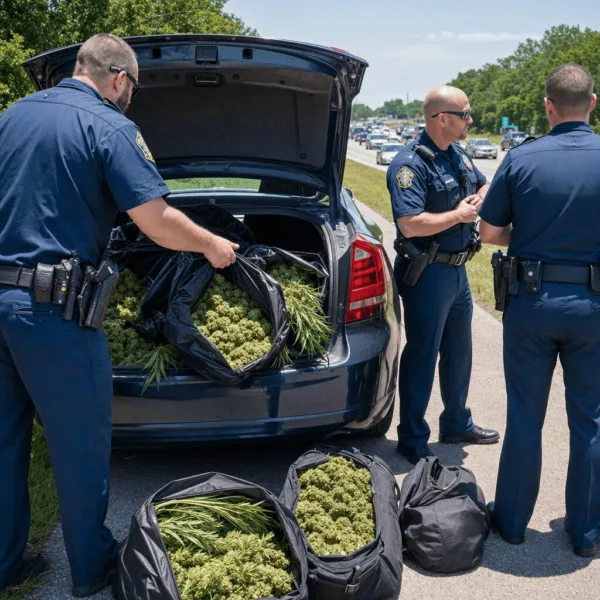
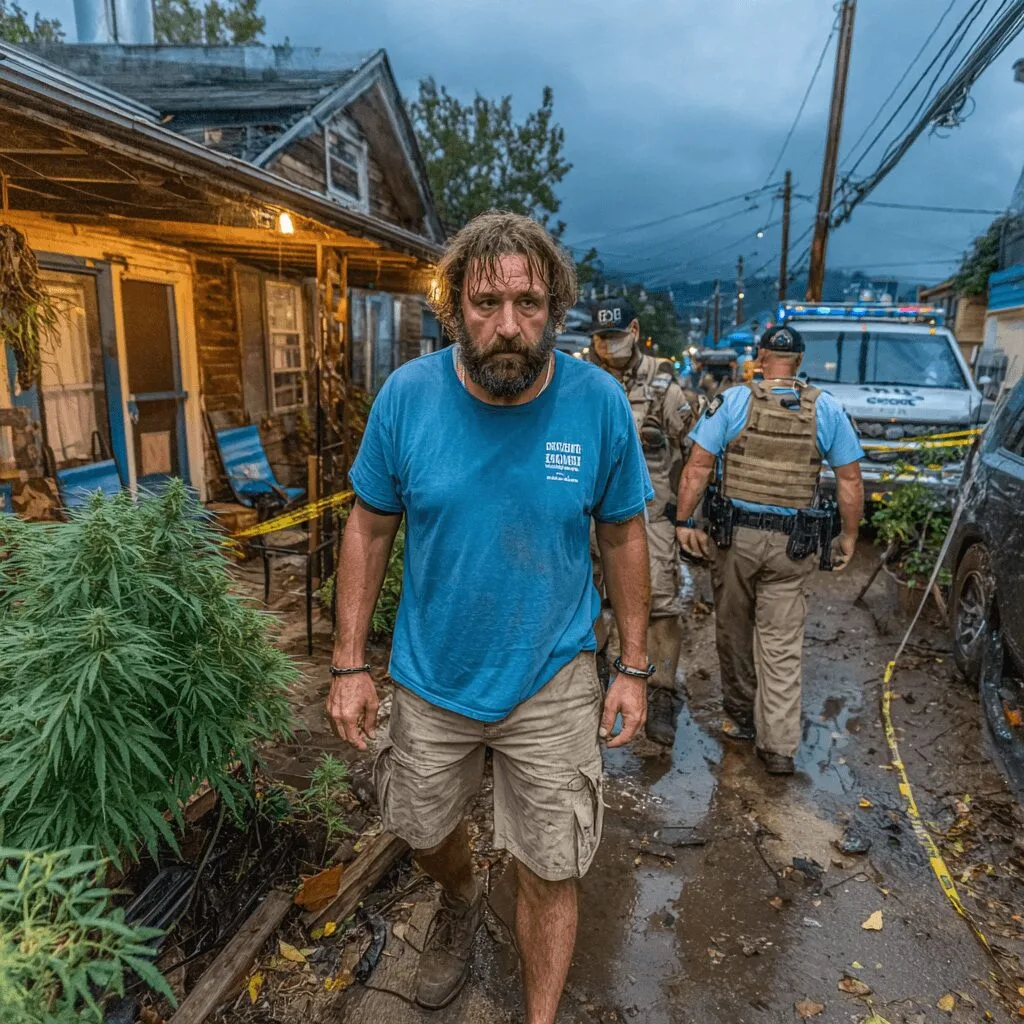
According to WLKY News, police raided a modest home in Bullitt County after a lengthy undercover investigation. Authorities apprehended a man in connection with child trafficking Jefferson Bullitt, with evidence suggesting multiple children had been exploited across both Jefferson and Bullitt counties. The bust took place in early June 2024, drawing resources from both county sheriff’s offices and the state attorney general’s special victims unit. During the arrest, plainclothes officers were seen escorting the suspect in handcuffs from the scene, where multiple cannabis plants were found in plain view on a porch. A similar case in the region, involving an illegal marijuana dispensary bust and seizure, shows how enforcement sometimes intersects with broader community safety initiatives. Officials were cautious to state that while cannabis was present, no direct link between the plants and the trafficking operation had yet been proven. Law enforcement cited collaboration between local and federal agencies, signaling an intensification of anti-trafficking operations across Kentucky. Families in the neighborhood described the scene as unsettling, highlighting mixed reactions, relief at the arrest, but anxiety over what such crimes mean for small-town life. The investigation remains ongoing, with police encouraging anyone with information to contact a 24/7 confidential hotline. Advocacy groups hope this case will become a turning point in local and statewide efforts against human trafficking.
Expert Insights: Unpacking the Impact for Cannabis & Community
There’s a lot to process from these latest child trafficking Jefferson Bullitt developments. As someone who’s worked across cannabis advocacy and compliance, I see the danger in conflating cannabis, especially home grows, with deeper criminal issues. According to Marijuana Moment, states with more regulated, transparent cannabis markets have actually seen decreases in associated crime, contrary to old stigmas. In the words of NORML Deputy Director Paul Armentano: “Linking regulated cannabis activity to unrelated criminal enterprises only distracts from the need to address the real issues, exploitation, underfunded social services, and lack of enforcement resources.” For parents wanting accurate info, recent research summarized in studies about cannabis effects on young brains highlights why nuanced discussion matters. Cannabis plants found at the scene might make for eye-catching headlines, but the core problem remains systemic child exploitation, not personal cultivation or legalization efforts. As these legal details unfold, it’s vital to separate genuine threat from cannabis-tinged panic, especially since prohibition itself often fosters illicit shadow markets, making communities less safe overall. A transparent discussion helps ensure bad actors face justice without scapegoating responsible cannabis users or growers.
Looking Forward: Solutions, Advocacy, and Cannabis Industry Progress
There’s hard work ahead as Kentucky faces the reality of child trafficking Jefferson Bullitt and works to protect families. But let’s be real: the cannabis sector has an opportunity—sometimes a responsibility—to model what ethical business and community partnership should look like. By supporting education, proper regulation, and harm reduction, the cannabis community can distance itself from criminal activity and help dismantle old stigmas. Progress is happening. For example, Leafly News reports that responsible cannabis policies can reduce low-level crime and foster community resilience. As Kentucky modernizes its approach to both cannabis and public safety, every positive action makes it a little harder for abusers to slip through cracks. With persistent advocacy, factual reporting, and a transparent policy environment, this state can become safer for kids, consumers, and cannabis supporters alike. That’s something we can all light up about—for the right reasons.
Originally reported by: wlky.com