



Shocking Truth About Child Meth THC Exposure Revealed
Right now, there’s growing buzz around child meth THC exposure, and for good reason. Recent headlines have sparked debates about household safety, parental responsibility, and how cannabis intersects with other substances. With evolving state regulations and shifting cultural attitudes, it’s more important than ever to understand what’s happening—and why. Today, we dig into the facts, background, and larger industry trends behind the recent news making waves nationwide. If you care about families, cannabis, or just keeping up with major legal shifts, this one’s for you.
The Regulatory and Social Backdrop of Child Meth THC Exposure
The cannabis industry continues expanding at full tilt, with new state-legal programs rolling out every year. But as legalization spreads, so do the conversations around safe storage and accidental exposure, especially where minors are concerned. In many states, lawmakers have updated packaging and childproofing requirements to address concerns around child meth THC exposure (NCSL Cannabis Overview). The ongoing conversation is influenced by regulatory bodies like the CDC and FDA, both of which offer detailed safety recommendations for substances in homes with children. Since recent legal battles have shaped how certain hemp-derived products are regulated, it’s also important to follow updates such as the major changes resulting from the Ohio hemp lawsuit TRO, which continues to impact packaging and consumer access.
At the same time, communities are confronting hard realities about overlapping substance use, methamphetamine remains illegal nationwide and carries severe criminal penalties (U.S. Justice Department). The result is a patchwork of legal gray areas and public health campaigns, all aiming to prevent tragedies while respecting the autonomy of responsible adults. The child meth THC exposure debate now sits right at the intersection of social stigma, drug education, and the fast-changing cannabis market.
Key Developments: The Incident That Sparked a National Conversation
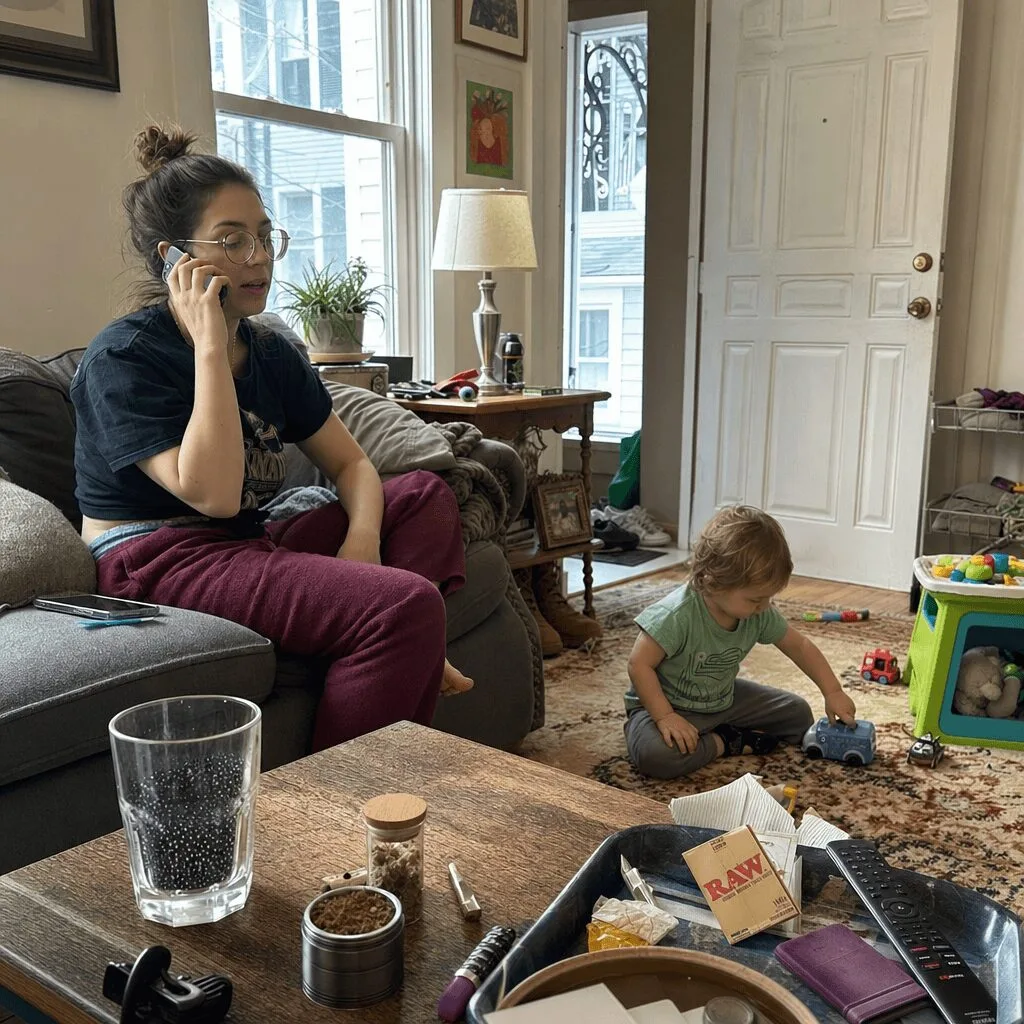
According to trusted news outlet Local 3 News, a story out of Tennessee has everyone talking (Local3News). In early 1781618733, a mother was arrested after her one-year-old child tested positive for both methamphetamine and THC. Law enforcement responded quickly when suspicions of child endangerment surfaced, healthcare providers confirmed the exposure after routine checks. Police reportedly found both cannabis paraphernalia and meth-related materials in the woman’s home.
The situation triggered not only criminal charges but fresh debate at community and legislative levels. The case highlights how, while legal cannabis is subject to strict rules in many states, meth’s legal status remains unchanged: zero tolerance, harsh penalties. The local Department of Children’s Services (DCS) stepped in and assumed custody of the child, reinforcing how authorities prioritize protecting minors whenever child meth THC exposure is detected. A moment like this can serve as a turning point for how communities address cannabis-related child safety, somewhat similar to the way high-profile events have changed cannabis regulation in places such as Arroyo Grande with its transformative cannabis tax. This high-profile story has circulated through both local and national news, intensifying scrutiny of parental substance use and home safety protocols in 1781618733.
Industry Voices: Understanding the Real Risks, and What’s Overblown
Let’s set the record straight: cannabis and meth are not created equal. The distinction matters, not just legally but socially and scientifically. While accidental child meth THC exposure is a legitimate concern, industry veterans argue for responsible cannabis access and education. According to Dr. Amanda Reiman, a policy expert with over two decades in the field, “Most cases of cannabis exposure in children result in mild, manageable symptoms that rarely require hospitalization. Cannabis is not meth, and conflating them oversimplifies a complex issue.” (Leafly).
Leading reports from sources like the CDC’s Morbidity and Mortality Weekly Report reveal that while incidents of THC exposure have risen as legalization expands, severe long-term harm remains exceptionally rare with cannabis alone. Still, child meth THC exposure involving dual-substance ingestion leads to much greater danger, requiring immediate medical response. The cannabis industry keeps pushing for more robust packaging and clearer consumer guidance, which aligns with recommendations from the National Organization for the Reform of Marijuana Laws. When considering local legal cases with overlapping substances, the complexities resemble legal stories such as Wisconsin’s recent OWI and THC incidents, making clear the pressing need for sound parental safety practices to protect vulnerable children.
As an industry advocate, I’ll admit: any household with young kids needs airtight protocols, stash it high, lock it tight, and mind the cross-contamination risks, especially with illegal substances in the mix.
Where We Go From Here: Safer Homes, Smarter Laws, Brighter Future
The national conversation on child meth THC exposure is evolving fast, and for good reason. Public safety and child welfare matter just as much as personal liberty and the right to responsible cannabis use. The best path forward? Realistic—and realistic—education, better safeguards, and more investment in family-oriented harm reduction programs. Prominent organizations like the National Organization for the Reform of Marijuana Laws (NORML) are calling for a clear distinction between legal cannabis and far more dangerous substances, insisting that one-size-fits-all policies are outdated.
With every legislative session, the cannabis industry gains stronger footholds in mainstream society while learning from high-profile incidents like this one. As more states refine their policies and as parents get savvier about home safety, we can expect even fewer cases of dangerous child meth THC exposure moving forward. There’s real hope on the horizon—because with smarter laws and communities that care, we can build a future where both freedom and safety win.
Originally reported by: local3news.com