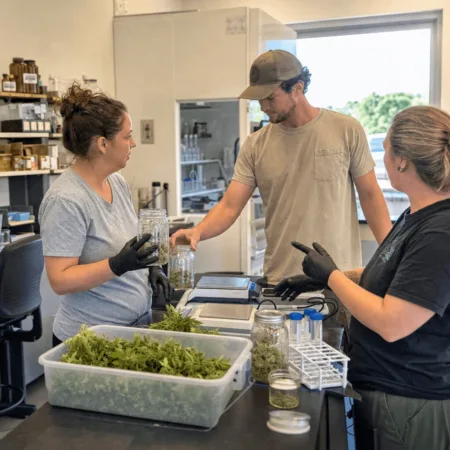





CannaCruz cultivation relocation: Monterey to Watsonville Update
The CannaCruz cultivation relocation is shaking up California’s cannabis landscape in a year defined by shifting regulations and evolving industry pressures. As the market gets tighter, any move by a heavy hitter like CannaCruz sends ripples throughout the cannabis community. This headline-grabbing relocation highlights shifting opportunities and regulatory challenges, giving us a prime example of how legalization’s next wave is reshaping where and how top-tier cannabis is grown.
Industry Background & Regulatory Context
The CannaCruz cultivation relocation story isn’t just about moving from Monterey County to Watsonville, it’s part of a much bigger shift in California’s legal cannabis market. In recent years, local regulations have presented dramatic hurdles for cannabis operators. Monterey County has grown stricter on cultivation permits, introducing new fees and complex zoning requirements that have squeezed out many mid-size growers. Industry analysts at CalMatters report these local dynamics make it harder for cultivators to find stable ground, a challenge that mirrors developments seen in states like Texas where evolving hemp and THC laws have reshaped what operators can or can’t do—here’s how recent changes in the Texas hemp market are informing similar regulatory changes elsewhere. Meanwhile, Watsonville emerges as a cannabis-friendly city, having streamlined permit processes to attract operators fleeing more restrictive locales. Social perspectives are also evolving, as public support leans pro-legalization, but neighborhood concerns over odor and security continue to make every license application subject to intense scrutiny. All told, the CannaCruz cultivation relocation spotlights both the grind and the invention required to thrive in California’s patchwork of cannabis regulations.
Key Developments: The Move from Monterey to Watsonville
According to a recent KSBW8 news report, CannaCruz—a staple of California’s legal cannabis market—has confirmed the relocation of its cultivation from Monterey County to Watsonville. This shift follows a tightening of Monterey County regulations and increased taxes, making continued operations less sustainable for the company. CannaCruz cited new licensing hurdles and a previously thriving, now oversaturated cultivation market in Monterey as key push factors. On the other hand, Watsonville has actively encouraged licensed growers through better zoning, quicker approvals and generally more welcoming policies, a business-friendly approach echoed in cannabis ERP compliance practices seen across compliant markets—read how operators are staying ahead with regulatory software tools. This change is already seeing CannaCruz’s team setting up shop in a modern greenhouse facility, with operations designed to maximize efficiency and compliance with Watsonville’s newer cannabis codes. The move has created local news buzz, employee transitions and careful navigation of transportation and licensing requirements between counties.
Expert Analysis & Insights: CannaCruz Cultivation Relocation as a Case Study
The CannaCruz cultivation relocation underlines a critical adaptation strategy that savvy cannabis businesses must adopt in 2024. As Marijuana Moment frequently reports, California’s regulatory patchwork rewards operators who remain nimble—moving cultivation facilities isn’t just about chasing lower taxes, it’s fundamentally about survival and finding a regulatory home that enables innovation. This move illustrates a growing divide between regions that welcome cannabis and those tightening regulations. From an industry insider’s view, this is a case of creative resilience: “When the climate, or the county, changes, smart growers evolve right along with it,” says Amanda Rivera, a regulatory policy consultant quoted by Ganjapreneur. She adds, “Operators like CannaCruz who lead these transitions often set the standard others follow.” Notably, the shifting regulatory landscape has led to more grassroots advocacy and community action, much like the activism seen in Michigan’s cannabis movement—recent grassroots action has helped reshape regional attitudes. For legacy growers and new startups alike, these pivots are shaping not only where, but how, the best legal cannabis gets produced as the market matures.
Future Outlook & Positive Evolution
Looking ahead, the CannaCruz cultivation relocation is more than a logistical shuffle—it’s a strong code for the broader cannabis industry’s ability to adapt and flourish. As more cities realize the economic and social upsides of regulated cannabis, expect the trend of strategic relocations to accelerate. Regulatory evolution continues, and the working relationship between operators and local agencies is improving year by year, as documented by Leafly’s industry reports. Social stigma is dropping, and every successful relocation like this signals progress. As customers become more sophisticated and the cannabis workforce grows more diverse, moves like CannaCruz’s help define what quality and resilience look like for the future. The California cannabis industry can bank on creativity, agility, and unwavering passion—qualities embodied by this latest CannaCruz cultivation relocation.
Originally reported by: ksbw.com