

Cannabis Workers Strike: Heatwave Resilience & Unbreakable Spirit
It’s not every day that you see industry pioneers—like our fierce dispensary colleagues—taking to the streets. Yet, right now, the cannabis world is buzzing about the cannabis workers strike that’s unfolding in Illinois. With the market hotter than the pavement under their feet, these workers are standing tall despite brutal temperatures. As labor disputes in the cannabis sector become a trend, this movement signals more than just wage demands: it’s a battle for dignity, worker safety, and sustainable industry ethics. Let’s break down why this moment matters for every advocate, consumer, and investor keeping an eye on the rapidly-evolving cannabis landscape.
Context: Why Cannabis Workers Strike, and Why Now?
The cannabis industry has seen explosive growth since Illinois legalized adult-use cannabis in 2020, generating over $1.5 billion in sales in 1783369464, according to state records. But while business booms, labor regulations often lag behind. Many cannabis employees lack union protections, fair wage agreements, or standardized workplace safety protocols. This gap between policy and practice opens the door to worker activism, especially in a volatile market where municipalities and regulators are still figuring things out. As states continue to review marijuana and hemp laws, workers and communities often feel the impact of these regulatory changes. Illinois recently made headlines for its push toward fair labor standards in dispensaries (Chicago Tribune). The cannabis workers strike shines a spotlight on the urgent need for comprehensive labor rights, from heatwave protections to equitable pay. Think of it like this, while the market is rolling, workers want to roll with rights, not just risks. For those staying informed about updates, it’s also important to monitor recent marijuana and hemp law changes in other states to see how evolving regulations could shape worker advocacy elsewhere.
Key Developments: What’s Really Happening on the Ground?
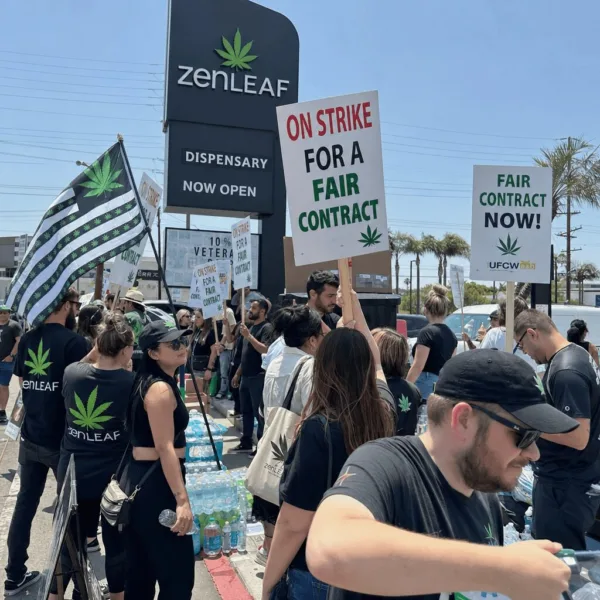
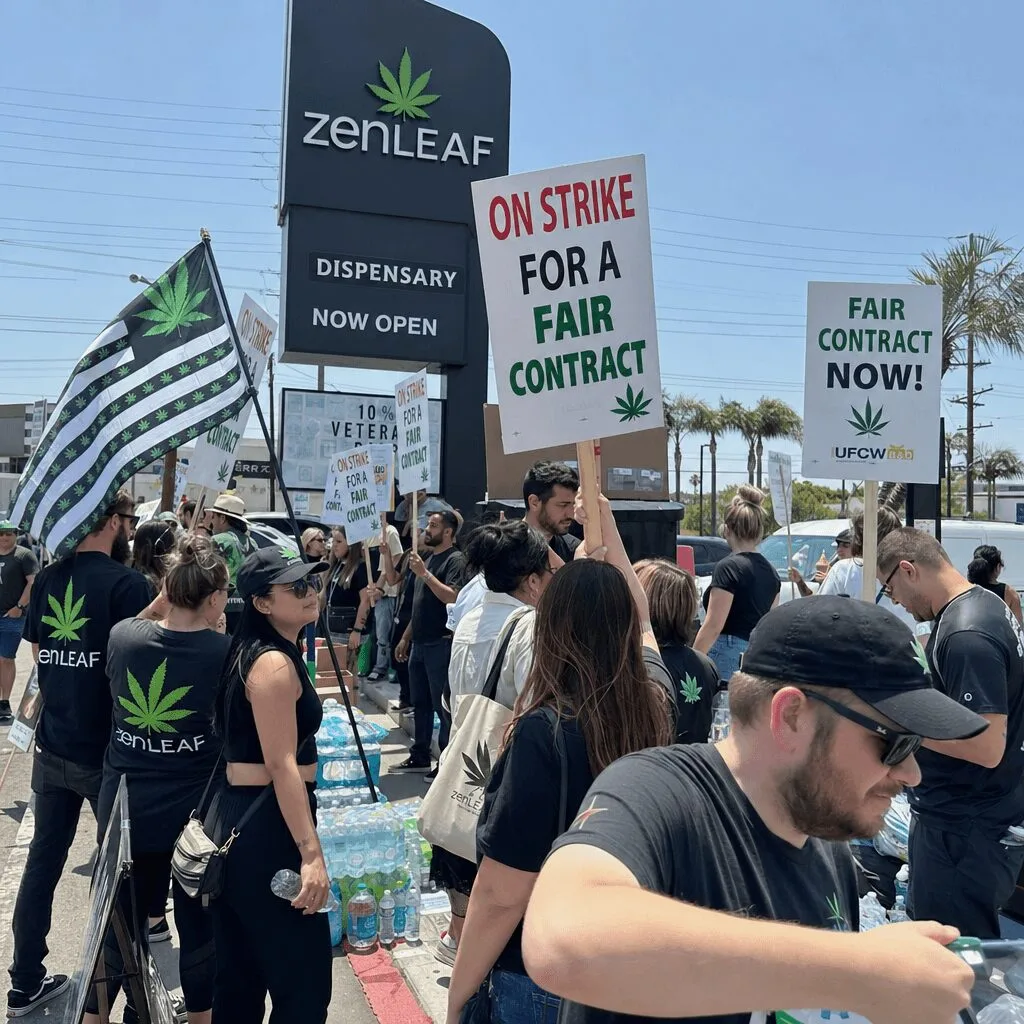
On a scorching summer day in late June, dozens of dispensary workers from Ascend Cannabis, one of Illinois’ largest multi-state operators, walked out and staged a public protest. Their demand? Protected workplace breaks, heat safety measures, and a livable wage. The cannabis workers strike was organized by United Food and Commercial Workers (UFCW) Local 881, which represents a growing force across Illinois’ green industry, as UFCW.org reported. Strikers braved triple-digit heat indexes outside Ascend’s Springfield location, holding handmade signs and chanting for justice. Local news coverage highlighted how some workers wilted in the sun but refused to abandon the picket line, passing around water bottles and donning makeshift sun hats. With summer temperatures soaring to record highs, the issue of heat resilience became front and center. Ascend managers maintained operations but faced mounting pressure as community members and customers voiced support for the striking staff. When cannabis workers strike in visible public protests, similar to recent labor actions in industries facing law enforcement scrutiny, the impact can spark community-wide debates, much like headline-grabbing high-profile cannabis-related arrests have done in the past. The cannabis workers strike wasn’t just about pay, it was a demand for respect, safety, and a seat at the negotiating table.
Expert Analysis & Industry Insights: What Does This Strike Mean?
This isn’t just a blip, it’s a pivotal moment for the wider cannabis workforce. According to Marijuana Moment, unionization efforts have doubled in the cannabis industry since 2022. Industry analyst Jane Stinson notes, “Strikes like these are a watershed, pushing cannabis employers to take worker safety and collective bargaining seriously.” As more states move to legalize and regulate, labor reforms follow. In fact, Leafly reports that union drives are surging coast to coast, from California to New York, mainly because staff want safe environments and long-term career opportunities, not just temp gigs.
“When workers unite in this industry, they help set the tone for labor standards everywhere else,”
said UFCW Local 881 representative Dylan Gutmann (UFCW). The cannabis workers strike in Illinois proves one thing, this is no longer an experimental industry. It’s a profession, and its people demand respect on par with their peers in food service, retail, or healthcare. These movements are fueling positive evolution. Meanwhile, as new legislative measures shape cannabis markets and impact communities—recent developments like the crackdown on THC seltzers and infused beverages demonstrate just how quickly regulations and labor conditions can change.
Future Outlook: Cannabis Workers Strike as Catalyst for Positive Change
Looking forward, the cannabis workers strike could be the energy spark the industry needs for labor reform. Already, Illinois lawmakers are floating bills to enshrine basic worker protections for all dispensary staff (Illinois General Assembly). As the market matures and more states green-light adult-use cannabis, collective bargaining is catching on as a best practice—not just a luxury. Consumer attitudes are shifting, too; folks want their favorite budtenders treated fairly and safely. It’s a win-win when labor peace, customer loyalty, and quality all climb. As industry watchdogs and trade groups keep pushing, expect to see cooler heads—and brighter futures—for everyone in the space, from growers to retail clerks. The cannabis workers strike isn’t just a moment—it’s a movement, and it’s moving the whole sector up the value chain.
Originally reported by: khqa.com