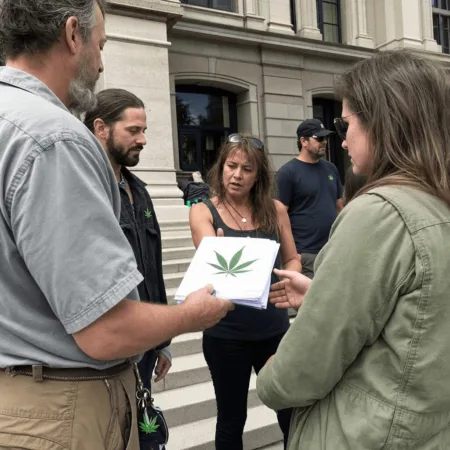
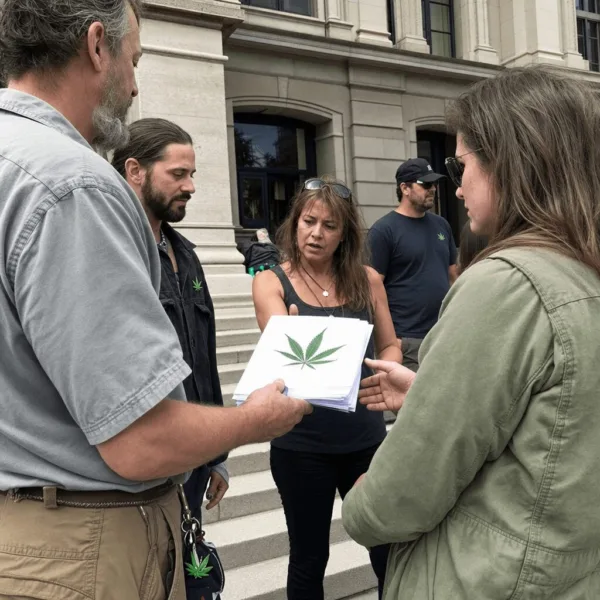




DEA cannabis rescheduling hearing: What Really Happened?
It’s a wild moment in cannabis history, with the DEA cannabis rescheduling hearing making serious headlines. Everyone from legacy growers to Wall Street suits is glued to the action. Legal shifts and medical research are building pressure for change, and this hearing could redefine everything. As the government weighs federal cannabis rules in 2026, understanding what’s at stake at the DEA cannabis rescheduling hearing is crucial. We’ll break down the facts, questions, and impact on the future of weed in America.
How Did We Get Here? Regulatory and Market Backstory
The fight over cannabis policy has always been a rollercoaster. Cannabis has spent decades on the DEA’s Schedule I list, right next to heroin, officially considered super dangerous and useless for medicine. But that narrative is fading, as medical science and public opinion shift fast. Powerful voices in Congress, the American Medical Association, and even some retired federal law enforcement are pushing for change. Market-wise, state-licensed cannabis is now a $30 billion business, according to Bloomberg. Meanwhile, the legal gray zone is squeezing both operators and law enforcement. The Croptober surpluses, constant interstate stash headaches, and ongoing discrimination against cannabis consumers make reform more urgent. Some states, such as those in Germany, are looking to medical cannabis trends, and this shift is causing patients and pharmacies to pay close attention, as reflected in recent discussions about the German cannabis market. The DEA cannabis rescheduling hearing isn’t just about moving a plant between schedules, it’s about finally facing how outdated laws hurt medical patients, legitimate businesses, and social equity.
Key Developments & Core Issues from the DEA Hearing
The DEA cannabis rescheduling hearing held on July 6, 2026, drew a mixed crowd: regulators, scientists, legal eagles, and industry leaders all made their voices heard. According to a detailed report from Marijuana Moment, testimony focused on medical efficacy, legal logistics, and the messy patchwork of state laws. One explosive moment came when a coalition of patient advocates presented hard evidence from CDC data showing positive outcomes from medical cannabis regimes. Meanwhile, anti-cannabis lobbyists raised concerns over addiction risk, impaired driving, and youth access, nothing we haven’t heard for decades, but delivered with their usual conviction. Representatives from major cannabis players such as Curaleaf and Cresco Labs described the nightmare of operating in legal limbo, and even referenced IRS hurdles like the infamous 280E tax restrictions. These federal-level challenges were echoed in recent legislative actions, much like bans seen in other emerging markets, such as the crackdown on popular THC seltzers. The DEA confirmed they’re gathering more clinical data before finalizing any rescheduling decision. With nearly 40 states now allowing some form of cannabis, the hearing spotlighted the gaping disconnect between state progress and federal prohibition.
Expert Analysis & Insights: What It All Means for the Industry
Stepping back, it’s clear this hearing is no routine policy shuffle. If the DEA cannabis rescheduling hearing paves the way for federal reclassification, the repercussions for medical users, entrepreneurs, and social justice advocates will be huge. As Leafly’s policy editor Bruce Barcott put it, “This is more than a policy tweak, it’s a turning point for how America treats cannabis in the eyes of science and law.” Lowering cannabis from Schedule I could finally open the doors for clinical trials, banking access, and fairer taxation in the licensed industry. However, the expert mood is cautious. Most analysts agree the DEA is under pressure from all sides to make a balanced, science-based call. Some areas, like psilocybin regulation in Oregon, show how changes in federal law can significantly impact state-level industries as seen when license fee increases challenge survival for similar sectors. “If the feds get real with reform, we’ll see safer products, less criminalization, and a major cash injection for public health research,” explained Dr. Sue Sisley, a leading cannabis scientist, in a recent interview for Forbes. The hearing offers hope, but so far, classic bureaucratic slowdown is keeping folks in suspense.
Future Outlook: Where Does Legalization Go from Here?
The DEA cannabis rescheduling hearing is more than a tick on the policy calendar—it’s a signal the fed is actually listening. Industry insiders predict that whatever happens, this hearing will set new standards for cannabis safety, science, and access. According to The Brookings Institution, national cannabis reform will take incremental steps but is all-but-inevitable as public support grows. Whether or not the DEA moves quickly, the open debate and high-profile testimonies have already pushed the needle. With more states going legal, social attitudes chilling out, and businesses lobbying for clarity, expect a future where the marketplace—medical and recreational—feels way less like a legal minefield and way more mainstream. Advocates and entrepreneurs should keep hustling, stay aware, and remember: the green wave is still rising. The best chapter of this story is just around the corner.
Originally reported by: marijuanamoment.net