


Cannabis Use Older Adults: Expert Insights from Angela Bryan
The landscape is changing fast when it comes to cannabis use older adults, with researchers, advocates, and policymakers finally catching up to what many already know: older adults are joining the green wave. Whether for pain relief, sleep, or just catching a buzz with friends, this demographic is sparking new conversations. Right now, the topic matters more than ever, thanks to new studies, shifting public attitudes, and icons like Angela Bryan leading the way at CU Boulder. We’ll explore why cannabis use older adults is a hot issue, what’s driving these trends, the latest findings, and what it all means for the industry’s future.
Background & Context: Older Adults and Cannabis Culture
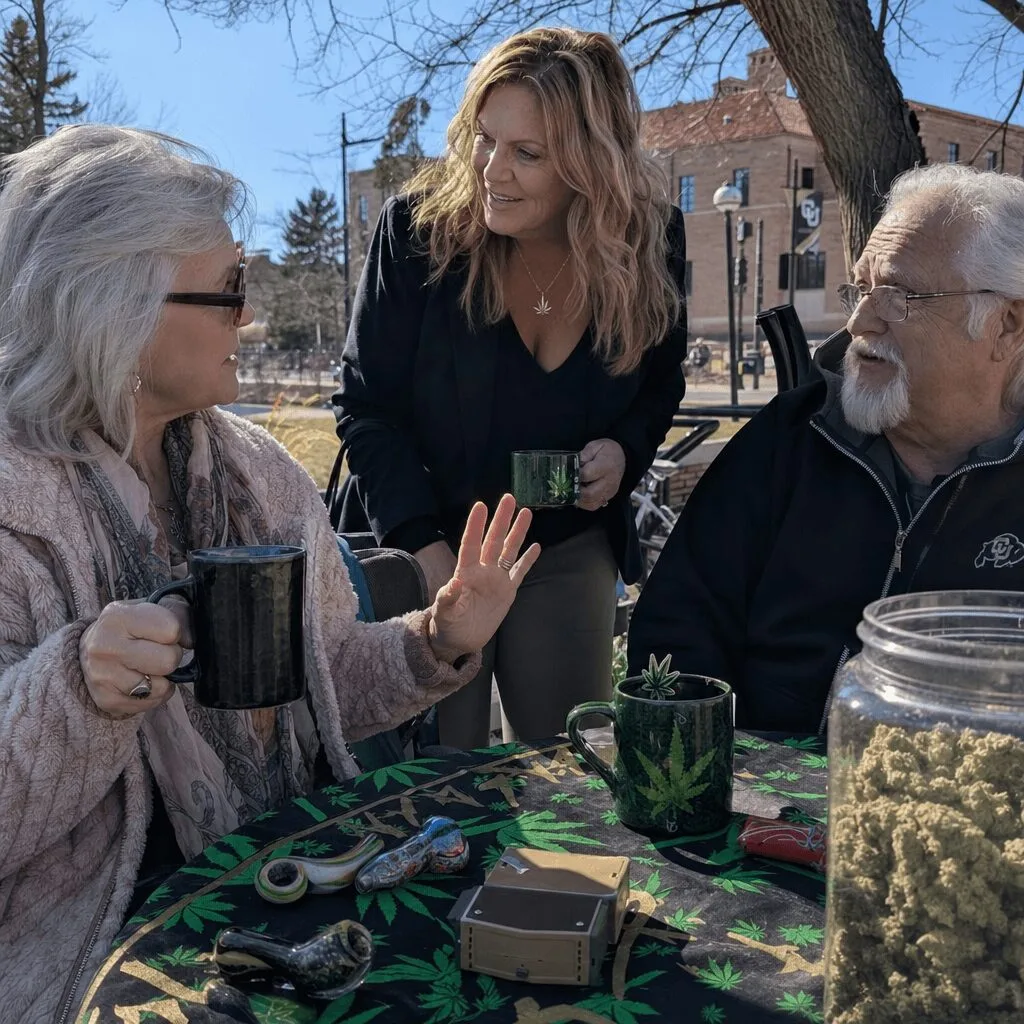
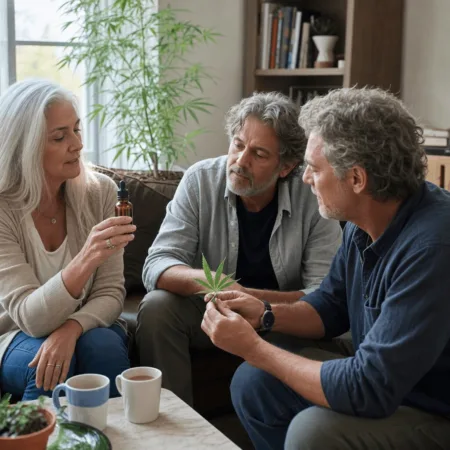
Cannabis use older adults has seen a notable rise, driven by both curiosity and necessity. According to Pew Research Center, seniors are the fastest-growing group of new cannabis consumers in the U.S. Current state laws, like those in Colorado and California, allow both medical and recreational access for adults, with legal frameworks steadily expanding. Here, notable legislative changes have kept the focus on consumer safety, much like the Minnesota cannabis law changes and new hemp regulations that are shaping markets in other states. Stigma has faded since the days of “Reefer Madness”, as public polling now shows widespread support for regulated cannabis use among older adults. Medicare and insurance still lag behind in coverage, but dispensaries and caregivers are closing the gap, helping older adults navigate safe, lab-tested products. Social factors, like increased openness about plant medicine, have encouraged family conversations and deconstructed old taboos. All in all, the ecosystem for cannabis use older adults is richer, safer, and more welcoming than ever before.
Key Developments: Angela Bryan, CU Boulder, and the Latest Research
The original feature, Angela Bryan Discusses Cannabis Use Older Adults, spotlights groundbreaking work at CU Boulder. Dr. Angela Bryan, a prominent psychologist, is digging deep into how older adults experience cannabis in real-world settings. Her research team uses surveys, interviews, and biological measurements to map out everything from pain management to daily habits. This hands-on approach produces data that both state policymakers and industry players depend on. In May 2026, CU Boulder highlighted the importance of older adults in shaping dispensary guidelines, helping train budtenders to recognize age-specific needs, and guiding communities to adopt safer best practices. As research like this develops, there is increasing discussion about broader regulatory changes and their economic impact, mirroring nationwide shifts in policy such as those discussed in how federal cannabis rescheduling is shaping the future economy. Bryan’s projects also attracted attention from national outlets like NPR, which confirm a “boom” in cannabis use among older Americans. Her work has influenced everything from educational brochures at clinics to continuing education for physicians. The key factor, cannabis use older adults isn’t just a curiosity, it’s shaping safety standards, research priorities, and even the design of new consumption methods aimed at arthritis or insomnia relief.
Expert Analysis & Insights: Shifting the Conversation on Cannabis Use Older Adults
It’s no secret that cannabis use older adults comes with unique challenges and massive opportunity. For example, Angela Bryan notes, “This is the first generation aging with legalized cannabis, and we have to listen to their voices in both research and policy” (CU Boulder). The cannabis industry has an unprecedented chance to tailor strains, products, and education to fit the needs of older adults. Recent trends also highlight how new regulations—such as changes to marijuana scheduling and their impact on daily life—can directly influence how products are marketed and accessed by seniors. Industry trend reports from New Frontier Data show that brands investing in transparent labeling, softgels, and customer education see significant growth among older age brackets. Medical experts remind us that older bodies may process cannabinoids differently, so dosing, interactions, and delivery methods matter. Socially, the “grey market” of home growers has evolved into a vibrant part of dispensary culture, with retired adults often leading advocacy for legalization in their neighborhoods. Humor helps, but the stakes are real, it’s about pain relief, autonomy, and dignity. The cannabis use older adults trend isn’t a blip, it’s a reckoning with how we treat aging, medicine, and personal choice in America.
Future Outlook & Conclusion: A Greener Tomorrow for Seniors
The future looks bright for cannabis use older adults. With researchers at CU Boulder and beyond pushing the conversation, we can expect smarter policy, safer products, and even more support for older consumers. The wider industry is catching on—tailoring products, training staff, and addressing age-specific health concerns. According to a recent industry report by MJBizDaily, the aging U.S. population is propelling cannabis market expansion and forcing regulators to rethink outdated restrictions. As acceptance grows, we’ll see older adults not just joining the cannabis movement—they’ll be leading it. That’s a win for everyone who believes in access, choice, and a little less judgment around the green stuff.
Originally reported by: colorado.edu
2 Comments
Pingback: Parlier marijuana grow bust: Inside the massive seizure
Pingback: Cannabis and Diabetes Risk: Surprising Mouse Study Findings