

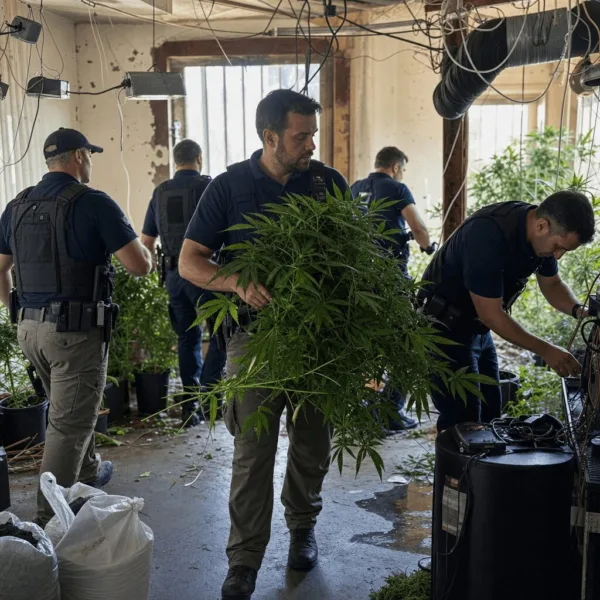




Cannabis Protections Fire Rescue: Critical Safety Concerns Revealed
There’s never been a more crucial moment to dive into the crossroads of cannabis protections fire rescue. Tightening regulations, evolving medical marijuana laws, and new safety protocols are putting both the cannabis workforce and front-line rescue teams in the spotlight. As emergency responders and cannabis protections intersect, recent debates are firing up concerns over worker safety, liability, and the future of cannabis industry policies. Let’s break down what’s making waves, why it matters, and what’s coming next in this high-impact policy conversation.
Behind the Smoke: Regulatory and Social Backdrop for Cannabis Protections Fire Rescue
The relationship between cannabis protections fire rescue and state-level cannabis reforms is heating up. As more states legalize medical and adult-use cannabis, the National Conference of State Legislatures tracks a surge in workplace protection disputes and liability questions. Firefighters and EMS professionals are increasingly protected under progressive cannabis labor laws. However, these same protections raise eyebrows among risk-averse policymakers, worried about accidents or impairment on the job. According to the National Fire Protection Association, departments nationwide are grappling with the practicalities of upholding safety standards, testing for impairment, and maintaining trust between leadership and rank-and-file staff. As public acceptance of cannabis grows, rescue teams face social and legal shifts that challenge old paradigms. In some regions, local cannabis tax measures have influenced community discussions (see local tax measures in California), but the path forward remains full of regulatory fog. This climate sets the stage for today’s urgent policy debates over cannabis protections fire rescue.
Major Moves: Latest Developments Shaking Up Cannabis Protections Fire Rescue Policy
On February 25, 2026, the Maryland Association of Counties (MACo) publicly raised the alarm about potential gaps in cannabis protections fire rescue safety protocols. According to Conduit Street, MACo highlighted serious liability risks associated with expanding medical cannabis protections for fire and rescue personnel. The concern, loosening rules could expose municipalities and fire departments to lawsuits, especially if on-duty accidents occur. MACo urged lawmakers to tighten provisions around impairment testing and clarify the boundaries of what’s permissible for fire rescue workers who use medical cannabis. These concerns echo recent policy debates in states from California to Illinois, where rescue unions and municipal leaders have disagreed on balancing patient protections with public safety. In communities grappling with new cannabis dispensaries opening, as seen in Perry Township, the line between therapeutic use and operational risk grows blurrier by the day, driving urgent calls for updated legal guidelines in the cannabis protections fire rescue space.
Expert Analysis & Counterpoints: Clearing the Air on Cannabis Protections Fire Rescue
It’s time for a real talk about the perception versus the science of cannabis use among fire rescue professionals. Most research, like the reports from NORML, points out that off-duty medical cannabis use, when managed responsibly, rarely correlates with on-duty impairment. Ed Silverman, a respected cannabis policy commentator, noted in STAT News: “Blanket policies create more confusion than clarity. What fire and rescue teams need are clear impairment protocols, not broad restrictions.” The majority of fire rescue unions agree that fair, science-backed policies should protect workers who rely on medical cannabis while also ensuring zero tolerance for impairment during emergency calls. The bigger issue, focusing resources on comprehensive screening and education, not outdated myths. Lessons from states preparing for cannabis reform, such as the situation in Idaho, show how industry leaders and local governments can develop common-sense approaches to cannabis protections fire rescue, ensuring both worker rights and public safety are never left high and dry.
Blazing a Safer Path Forward: The Future of Cannabis Protections Fire Rescue
The evolution of cannabis protections fire rescue is far from finished. New technologies for rapid impairment testing, greater medical understanding of cannabinoid therapies, and the rising professionalism of the cannabis industry all point toward solutions—not dead ends. If lawmakers act with nuance, drawing on credible research from sources like Leafly Politics, they can create policies that support worker health and public safety. With greater transparency, open communication, and a serious commitment to both science and social responsibility, the cannabis protections fire rescue landscape is set to become a model for other industries facing similar challenges. It’s not about creating loopholes or ignoring risk; it’s about embracing smart standards for a workforce that deserves both compassion and accountability. Stay tuned—this high-stakes story is just getting started.
Originally reported by: conduitstreet.mdcounties.org


3 Comments
Pingback: Michigan marijuana sales decline: Why are numbers dropping fast?
Pingback: What You Need to Know About Marijuana Odor Law Arizona
Pingback: Vito's dispensary raid: Massive marijuana and mushroom bust