




How Cannabis Poverty Saint Vincent Is Changing Lives Today
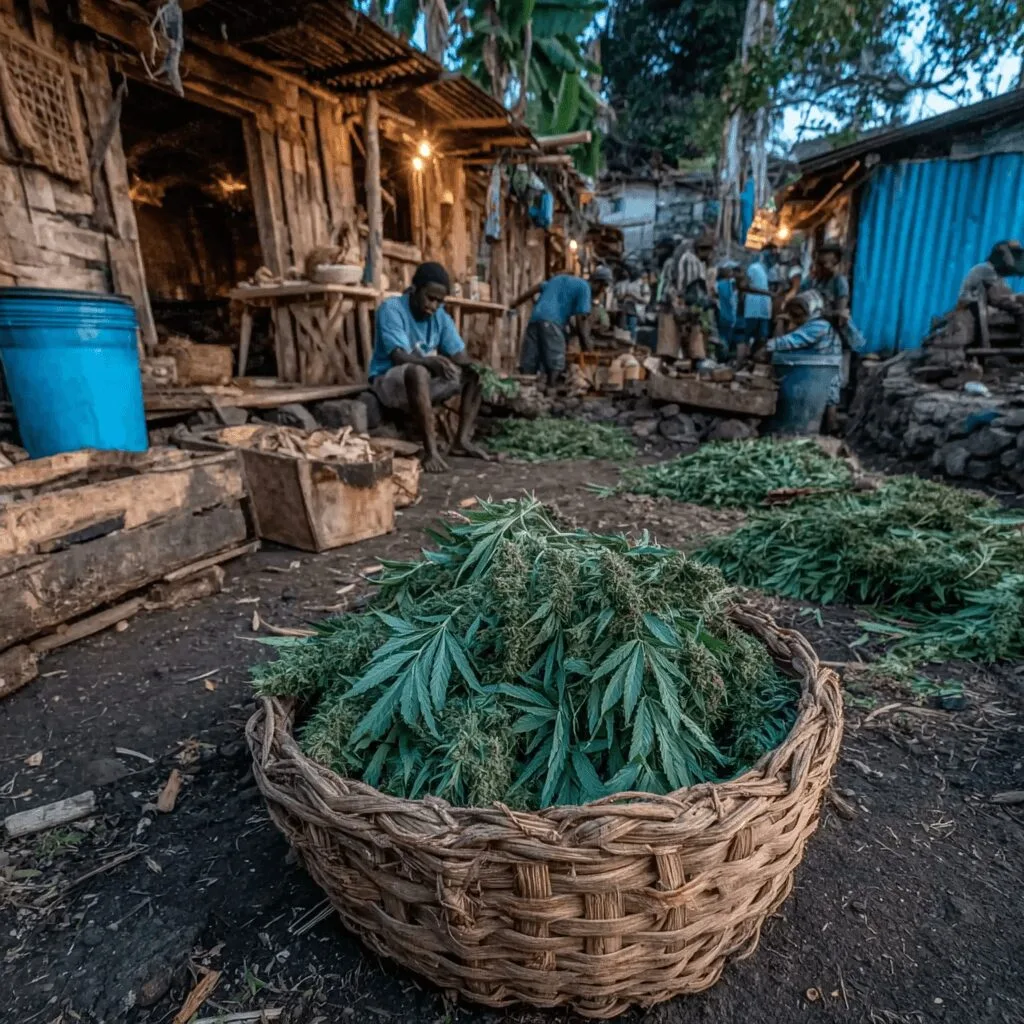
Cannabis poverty Saint Vincent is in the global spotlight for all the right reasons. An island nation long defined by agricultural challenges and limited resources, Saint Vincent and the Grenadines is now seeing dynamic change. The legal and market environment for cannabis has shifted, and the impact is real—especially for rural communities. In this article, we break down why cannabis poverty Saint Vincent matters right now, spotlight recent policy moves, and share how locals are taking charge of their own destinies through cannabis.
Understanding the Roots: Regulatory Shifts and Social Forces
For decades, cannabis poverty Saint Vincent reflected deep-rooted struggles. Historically, strict colonial drug policies criminalized cultivation, blocking access to legitimate markets for local growers. In 2018, the government made a bold move, legalizing cannabis for medicinal and religious purposes (Cannabis Business Times). This major policy change has parallels to broader regulatory shifts seen around the world, such as the recent updates to cannabis control oversight in neighboring regions (recent legal regulation efforts). This shift opened doors, but challenges persist, with patchy regulations, limited local finance, and slow infrastructure growth. Socially, cannabis remains central to rural Vincentian identity, especially among the Rastafarian community, who fought for its decriminalization. However, poverty in Saint Vincent meant that risks stayed high, with small growers vulnerable to exploitation and environmental threats. Transitioning to legal cannabis promised an exit out of shadow economies and toward sustainable livelihoods, according to ongoing analysis by the Brookings Institution.
Pivotal Developments: From Illicit to Opportunity
The last five years mark a turning point for cannabis poverty Saint Vincent. Following the 2018 law, the government launched the Medical Cannabis Authority (MCA), an agency overseeing licensing and compliance. Hundreds of traditional cultivators have transitioned, joining the legal economy and organizing into collectives. The MCA issued the first licenses in March 2020, paving the way for smallholders to supply legal dispensaries and export channels. According to Reuters, more than 2000 Vincentian farmers registered with MCA by mid-2021. The growth of community organizations and regulatory authorities here mirrors recent efforts by towns that have debated whether to allow dispensaries, as seen in news about restrictions facing Niles Township (example of evolving local policy). International companies—such as Aphria (now Tilray) and United Kingdom investors—have begun partnerships with local stakeholders. Still, not all is rosy: issues around fair pricing, land access, and persistent poverty continue, as outlined by The Borgen Project. But industry-watchers highlight growing local control and collective bargaining strength as vital advances for cannabis poverty Saint Vincent.
Insights from the Field: Real-World Impact and Lessons
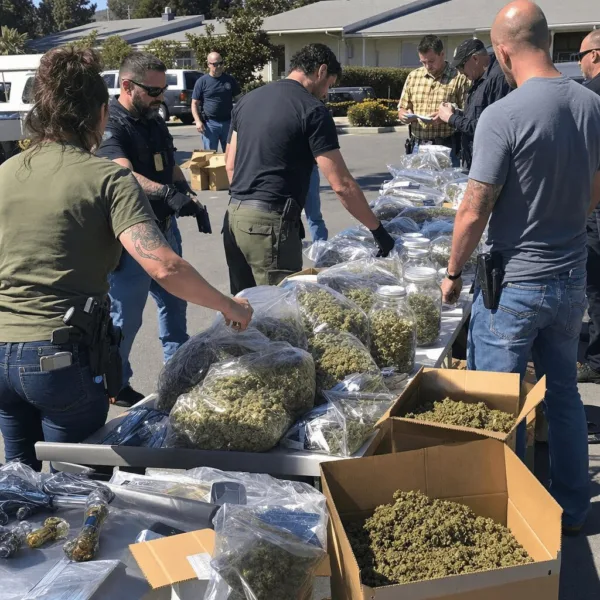
So, what does this mean on the ground for folks battling cannabis poverty Saint Vincent? Community leaders say legal cannabis has empowered small farmers and reduced rural unemployment. According to Marijuana Moment, “Saint Vincent is charting a path that’s both humble and globally significant, giving locals unprecedented access to the legal cannabis market,” says medical cannabis advocate Rufus Providence. The evolving regulatory atmosphere here is reminiscent of marijuana enforcement and licensing changes seen elsewhere, where authorities face unique challenges managing compliance and local impact (lessons from enforcement and community response). Stats reinforce the point: export earnings from legal cannabis have helped fund village schools, roads, and agricultural training. Progressive regulatory moves have also drawn cautious praise from the United Nations Office on Drugs and Crime (UNODC), which reports declining illicit trade but urges continued vigilance against foreign exploitation. From an industry perspective, cannabis poverty Saint Vincent is a case study in balancing local empowerment with smart policy, that elusive sweet spot everyone in cannabis reform chases.
Looking Forward: Hope, Opportunity, and Evolving Acceptance
Despite ups and downs, the future for cannabis poverty Saint Vincent looks promising. With legalization only a few years old, the nation’s farmers and policymakers are still learning—which, let’s be honest, is pretty standard in any new cannabis market. Increased social acceptance, innovative cooperatives, and evolving export agreements are pushing rural Vincentian communities toward greater independence. According to a recent Leafly analysis, market transparency could put Saint Vincent and the Grenadines on the map as a model for ethical, small-scale cannabis farming. If progress continues, cannabis poverty Saint Vincent might soon represent not just survival, but real hope and high spirits for rural people everywhere.
Originally reported by: borgenproject.org

2 Comments
Pingback: Linus Torvalds linux interview: Insights From the Icon
Pingback: Nicholas Ritter marijuana possession: The Full Story Revealed