



Cannabis Mental Health Risks: What Users Must Know Now
Cannabis is everywhere these days—dispensaries on every block, fresh brands dropping weekly, and more states rolling out legal access. With this booming popularity, the conversation around cannabis mental health risks is heating up. New studies and shifting policies are making it crucial for users to know what’s actually at stake. If you’re lighting up or considering it, you’ll want today’s facts, clearer than ever, on what cannabis does—and doesn’t do—to your mental health.
The Evolving Landscape: Regulation, Access, and Social Shifts
Cannabis isn’t the taboo it once was. Over thirty U.S. states now have some form of legal cannabis, according to NORML’s legal database, with recreational and medical markets seeing explosive growth. This openness does more than fuel sales, it pushes real conversations on cannabis mental health risks into the mainstream. As stigma fades, more research funding flows, and regulatory agencies like the CDC step up health guidance. However, local policy changes and sudden bans can disrupt access for businesses and patients—for example, in North Texas, hemp bans have forced shops to close, highlighting how quickly state laws can impact the cannabis community (see community response). But the social acceptance runs into ongoing federal prohibition, making consistent messaging tricky. Consumers are more informed, but the patchwork of state laws means risk awareness can be wildly uneven depending on where you live.
Rising Concerns: Research Insights and Industry Realities
Recent years have seen a spike in studies examining how cannabis affects the brain. According to Psychology Today’s breakdown, there’s a growing list of findings people should know: Early and heavy cannabis use, especially with high-THC products, can increase vulnerability to mental health issues like anxiety and, in rare cases, psychosis for some predisposed users. Researchers note that adolescents and young adults may be at more risk if they use heavily—recent study trends even reflect the links between memory and substance use in this population (explore the shocking science). The article also flags spikes in emergency room visits tied to overconsumption of edibles or concentrates. University-led brain imaging studies, like those cited in JAMA Psychiatry, confirm that high-potency strains may correlate with short-term paranoia or long-term emotional blunting in at-risk groups. For industry players, this means balancing commercial opportunity with shaping responsible messages and supporting consumer education campaigns. As more licensed producers bring new products to market, transparency around cannabis mental health risks is becoming a competitive differentiator, not just an obligation.
Expert Views and Cannabis Community Commentary
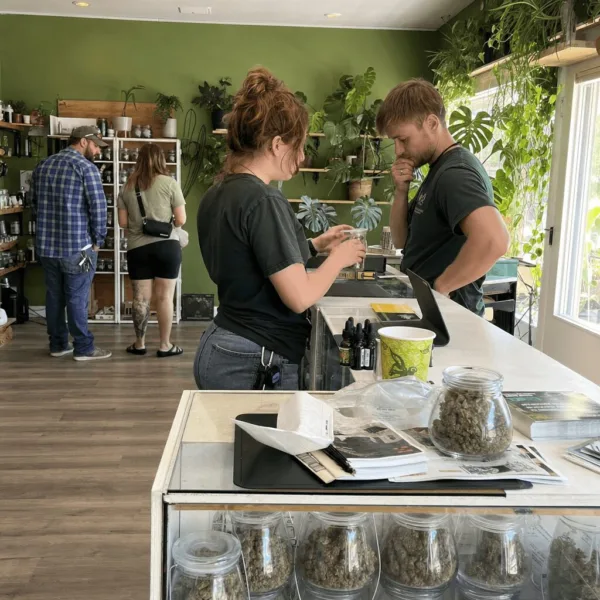
Sure, the science is getting sharper, but context is everything. As Dr. Ethan Russo, one of the most cited cannabis researchers, puts it: “Cannabis is neither evil nor a panacea. Context, dose, and personal background determine almost everything about potential mental health outcomes.” (Leafly expert interview). Most mental health professionals and cannabis industry voices agree, with the vast majority of adults able to use cannabis responsibly without major fallout. For those seeking clarity on safe access strategies and changing regulations, Minnesota’s recent cannabis law updates offer a useful example of how legislation shapes community conversations and retailer behavior (learn more here). Pros are really talking about a middle ground: See the risks, know your limits, and seek out lab-tested, clearly labeled products. At dispensaries, budtenders routinely field questions on cannabis mental health risks, signaling a culture shift toward better, science-backed self-awareness. Responsible brands now routinely invest in educational resources, partnering with groups like Americans for Safe Access to empower consumer safety without fear-mongering.
Looking Ahead: Smarter Conversations, Stronger Industry
The future for cannabis is looking bright—and more balanced than ever. The industry’s move toward honesty about cannabis mental health risks shows real maturity, just like alcohol and tobacco before it. Consumers are demanding transparency at every point, and smart companies are rising to meet that call. Health authorities, like the Substance Abuse and Mental Health Services Administration, continue to refine their advice as research evolves. As stigma fades and legal markets expand, the whole conversation around risk and benefit is starting to feel, well, a whole lot more real. If you’re in the cannabis community, this is your moment: stay informed, advocate for smart use, and push for more research. We’re all blazing the trail, so let’s keep it honest, cool, and better for everyone.
Originally reported by: psychologytoday.com