




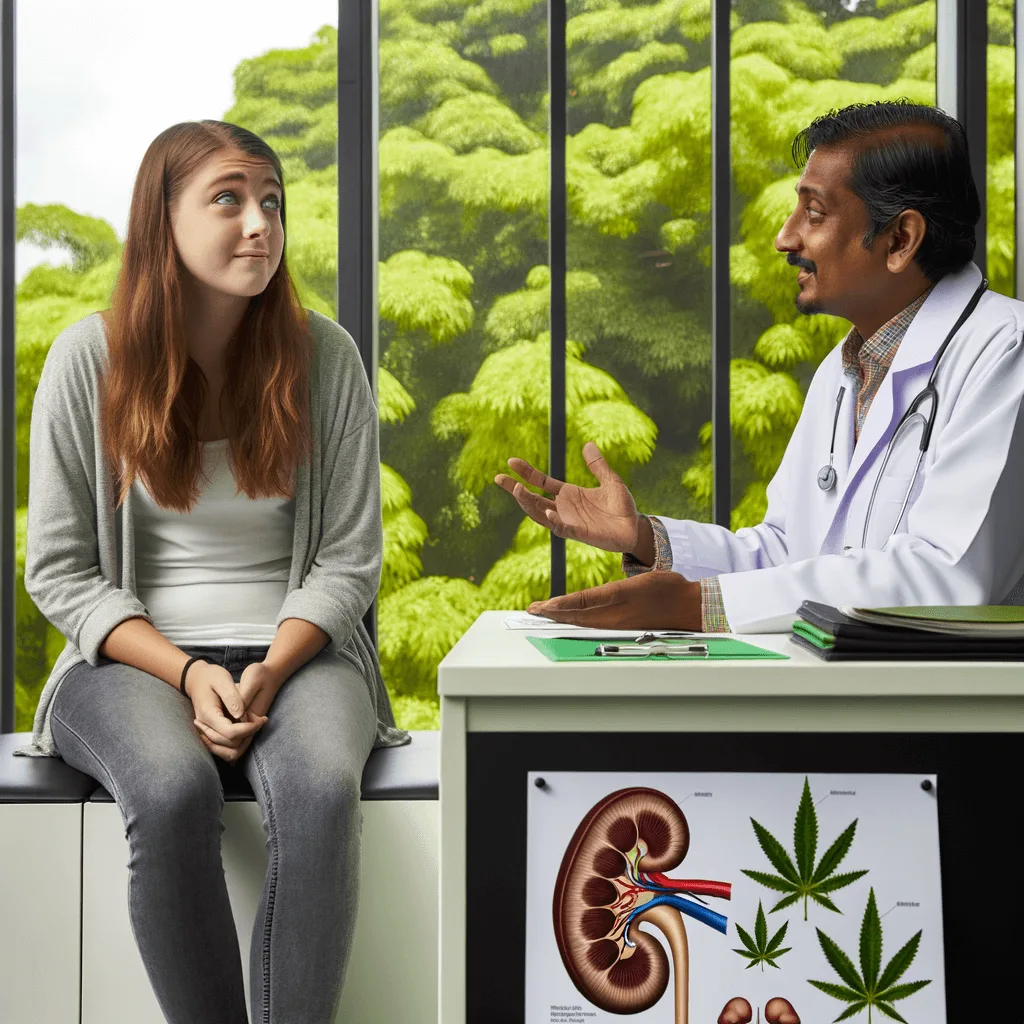
Cannabis Kidney Disease Risk: What Science Really Reveals
If headlines about cannabis and kidney disease risk have you worried, you’re not alone. As legal cannabis gains mainstream acceptance, every health claim—good or bad—gets amplified. Right now, cannabis kidney disease risk is a hot topic, with fresh headlines stirring debate on social feeds and at policy roundtables. So, what’s the real deal: is smoking a bowl putting your kidneys in jeopardy, or is this another misinformed panic? Let’s break down the science, key developments, and what it all means for cannabis lovers, industry insiders, and anyone who cares about the truth behind cannabis kidney disease risk.
Setting the Scene: Regulatory & Social Context
The conversation around cannabis kidney disease risk is unfolding as cannabis regulation remains in flux across the U.S. and globally. In the United States, regulatory bodies like the FDA and CDC continually update guidance on medical cannabis. Meanwhile, states such as California and Illinois have built billion-dollar legal markets, prompting public health agencies to watch for unintended consequences. In places where incidents involving marijuana and law enforcement have arisen, such as recent high-profile citations in Calvert City, these events help illustrate the friction between regulation and local enforcement. Simultaneously, national surveys like those from Pew Research confirm surging acceptance of cannabis, with over 88% of Americans now supporting legalization for adult or medical use. This evolving legal environment means research scrutiny is fierce, fueling both pro-cannabis advocacy and heightened caution from health authorities. Any credible evidence of cannabis kidney disease risk would influence regulations, consumer guidance, and even further research priorities. That’s why clear, evidence-based perspectives matter more than ever.
Key Events & Developments: What Recent Research Actually Says
The worries about cannabis kidney disease risk spiked recently after new studies and news reports caught widespread attention. Most importantly, a headline-grabbing review published in 2024 suggested a possible association between chronic cannabis use and increased kidney disease markers. However, the original research—analyzed by clinical experts and scientists—clarified that no direct link has been established between cannabis use and chronic kidney disease (CKD). According to an in-depth summary by Cannabis Science and Technology in early 2024, large epidemiological studies actually found no elevated risk of kidney disease directly caused by cannabis. In recent years, growing awareness around the privacy of cannabis users has become essential, a topic underscored by notable reports about marijuana card data breaches. Researchers from the federally funded Chronic Renal Insufficiency Cohort (CRIC) study published in JAMA even found that after controlling for confounding factors (like tobacco, alcohol, and comorbid medical conditions), cannabis use alone didn’t predict future kidney disease. Several medical journals and academic institutions, including the National Kidney Foundation, have issued public clarifications: while heavy cannabis use may affect overall health, there isn’t robust evidence labeling cannabis as a direct cause of kidney pathology. High-profile outlets—like a 2022 Forbes report—further amplified the consensus: while overuse of almost anything isn’t ideal for your health, the current science doesn’t back claims that ordinary cannabis use leads to kidney disease. As a result, the panic about cannabis kidney disease risk appears rooted more in sensationalism than actual data.
Expert Analysis & Real Insights: Industry Perspective on the Risk
Let’s get real: when media flares up about cannabis kidney disease risk, genuine expert voices should guide the conversation. According to Dr. Ethan Russo, renowned cannabinoid researcher and neurologist, “There’s simply no compelling clinical evidence linking moderate cannabis use with kidney function decline. If you want to protect your kidneys, focus on avoiding dehydration and high-sodium diets before fearing your favorite flower.” (Project CBD). For individuals especially interested in overall health impacts and the greater picture, recent analysis on potential marijuana health risks brings further clarity to the debate. This echoes analysis from the NORML policy blog, emphasizing that headlines often distort preliminary findings. Industry insiders point out that the 420-friendly public is increasingly savvy, demanding peer-reviewed evidence, not just clickbait. Importantly, even the National Kidney Foundation stresses that people with pre-existing kidney disease should consult with healthcare providers before using cannabis—just like any other supplement or medication. But for the average healthy adult, concerns surrounding cannabis and kidney disease remain a mostly theoretical issue, not a demonstrated hazard. Overall, the scientific community and policy watchdogs agree, any potential risk is vastly overstated in most mainstream coverage, with actual data showing only negligible effects.
The Future: Science, Stigma, and a Brighter Cannabis Outlook
As the dust settles and more research emerges, the cannabis industry is entering a new era—one defined by key facts and balanced health guidance, not fear. Trusted sources like the CDC and major peer-reviewed journals continue to urge ongoing study, but so far, the much-hyped cannabis kidney disease risk hasn’t materialized in the data. Smart regulations and patient empowerment—rooted in science—are shaping tomorrow’s industry. For industry veterans, medical patients, or recreational consumers, that’s good news: legalization won’t grind to a halt because of unfounded scares. In fact, the forward momentum is undeniable. As public understanding deepens, consumer education will lead to more informed choices and robust policy. Cannabis, once criminalized and demonized, is now at a crossroads—one where truth, transparency, and human wellness matter most. Here’s to a future where the cannabis kidney disease risk headline is replaced by real talk, real science, and real progress.
Originally reported by: cannabissciencetech.com