
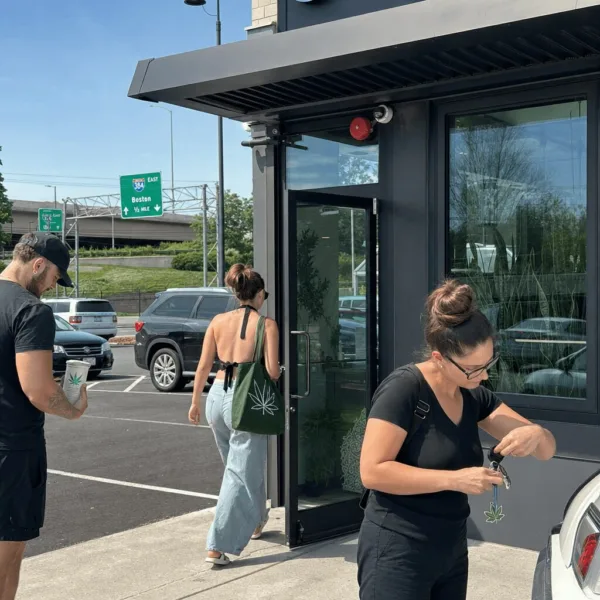



Cannabis Impaired Driving Tests: Are You Really Safe on NY Roads?
New York’s roads are buzzing with a conversation long overdue—how safe are cannabis impaired driving tests? With legalization booming and more folks lighting up than ever, the state faces a hotbox of questions about justice, accuracy, and public safety. Lawmakers are dialing up the pressure for improved roadside detection methods, aiming for tools that actually keep everyone safe. If you’re a toker, traveler, or just cruising the Long Island Expressway, these changes hit close to home. Stay tuned as we break down what’s behind the newest push for reforms, who’s involved, and why our cannabis community should pay attention.
Cannabis, Law, & The Road: Background & Social Context
The wild ride toward legal cannabis in New York has been full of legal U-turns and rapid lane changes. After recreational use was legalized in 2021, concerns quickly sparked over public safety and how to draw the line between consumption and impairment. Unlike alcohol, where a clear BAC limit sets the standard, the science behind cannabis impaired driving tests is still catching up. According to NORML and the New York Times, there’s enormous regulatory pressure to balance public safety with fair law enforcement, and not to mention the influence of public opinion, which has trended toward supporting responsible use. At the same time, false positives and unreliable field sobriety tests stir anxiety for both drivers and officers. The stakes are personal: a weak test could mean an innocent driver is punished, or a dangerous one slips through. Communities across the US, such as Butler County, experience their own unique clashes as legalization moves forward and policies evolve. In the haze of these legal ambiguities, calls for reform, backed by consumer advocates and lawmakers, are louder than ever.
What’s Happening Now: Key Developments & Issues
The heart of the current debate comes from recent demands for better cannabis impaired driving tests, particularly highlighted by lawmakers in Suffolk County and Nassau, per LiLiPolitics (original article). Officials cite increased concerns around cannabis-involved crashes since legal sales began in late 2022. Sheriff’s departments across Long Island report anecdotal upticks in roadside stops where cannabis odor plays a part, but with no conclusive results from current field kits. Calls for adopting new saliva-based tech are on the rise, as these could offer faster results than traditional urine or blood tests. In January 2024, lawmakers proposed funding expanded roadside pilot programs to sift through scientific accuracy before launching state-wide. The push includes manufacturers like Hound Labs and Dräger, who claim their devices measure recent use rather than just the presence of THC metabolites. Legal experts caution, though, that most existing tests still can’t definitively prove impaired driving at the roadside, raising big questions about due process for cannabis consumers. In fact, these debates mirror ongoing cannabis regulations and shifting enforcement elsewhere, such as the recent debates in Nebraska over medical cannabis regulations.
Expert Analysis, Broader Trends & Pro-Cannabis Counterpoints
Let’s talk blunt facts: unlike booze, cannabis impairment doesn’t come with a one-size-fits-all window. The body processes THC differently depending on your metabolism, tolerance, and even the method of intake. This makes cannabis impaired driving tests a gnarly puzzle for scientists and regulators. As Dr. Staci Gruber, Director of the Marijuana Investigations for Neuroscientific Discovery program at Harvard, points out in a Leafly interview: “Current roadside tests are notoriously unreliable for cannabis. We risk criminalizing responsible adults while failing to identify truly unsafe drivers.” The cannabis industry is pushing hard for science-driven solutions and better officer training, arguing that flawed detection tools only harm both consumers and public safety. These arguments are particularly important as more parents and communities engage in dialogue about the realities of access and risks, much like what was discussed in recent forums on teen marijuana risks for parents. Advocates reference Smart Approaches to Marijuana data showing no statistically significant increase in cannabis-involved crash fatalities post-legalization in places like Colorado. What’s needed, the pros say, is a holistic approach, better education for everyone on the road (and behind the badge), investment in research, and tech that reflects real-world cannabis use, not Reefer Madness myths. Until then, it’s up to the industry and responsible users to keep the conversation real and rooted in evidence.
The Road Forward: Signs of Change & Hopeful Horizons
It’s clear: cannabis impaired driving tests are shifting from the shadows into the spotlight. As New York fine-tunes its rules, there’s cautious optimism that smarter policies are on the horizon. Reports from the MJBizDaily and Forbes highlight a growing consensus among policymakers and the cannabis industry alike—only accurate, transparent, and science-based technology can keep roads safe without sacrificing fairness. For now, there’s work to do: educating users, updating protocols, and demanding rigor from both researchers and regulators. But the direction is clear. As cannabis continues to move mainstream, New York’s approach to testing and safety will set the standard for states across the nation. Stay tuned, stay safe, and keep advocating for that clear-headed, evidence-based future.
Originally reported by: lilifepolitics.com