Cannabis dispensary Google listing: Houston address outrage
If you’ve ever looked up a dispensary on Google, you probably expected to find, well, an actual cannabis shop—not a suburban Houston home. The recent saga over a cannabis dispensary Google listing hijacking a local couple’s address brings real heat to a trending debate: the digital scramble for legitimacy, privacy, and trust in the green industry. As more people turn to Google to find legal weed, these digital slip-ups can cause public confusion and spark legal headaches. Today, we’ll unpack what happened in Houston, why this matters for cannabis businesses and homeowners everywhere, and what it means for the future of cannabis on the map—literally.
Background: How Cannabis Dispensary Google Listings Became a Hot Topic
Ever since legalization hit, finding a legitimate dispensary has relied heavily on digital mapping. For many in Texas, however, that’s been more complicated than it sounds. Despite medical cannabis being legal in limited forms (see The Texas Tribune), recreational dispensaries remain illegal, and the regulatory gray area leaves consumers guessing. With Google Maps and similar platforms acting as the de facto cannabis directory, the accuracy of a cannabis dispensary Google listing determines how and where customers seek out products. Across the country, challenges with regulations—such as those impacting specific regions—mean the compliance landscape is constantly shifting with some areas facing unique regulatory hurdles. A single misplaced pin can create chaos for legal operators and innocent citizens alike. As the industry expands, this aspect of digital compliance is under increasing scrutiny from regulators and advocates, including privacy organizations and consumer watchdogs (Forbes). It’s a wild west, except online, not on some dusty frontier.
Key Developments: Houston Couple Finds Dispensary Listed at Their Home
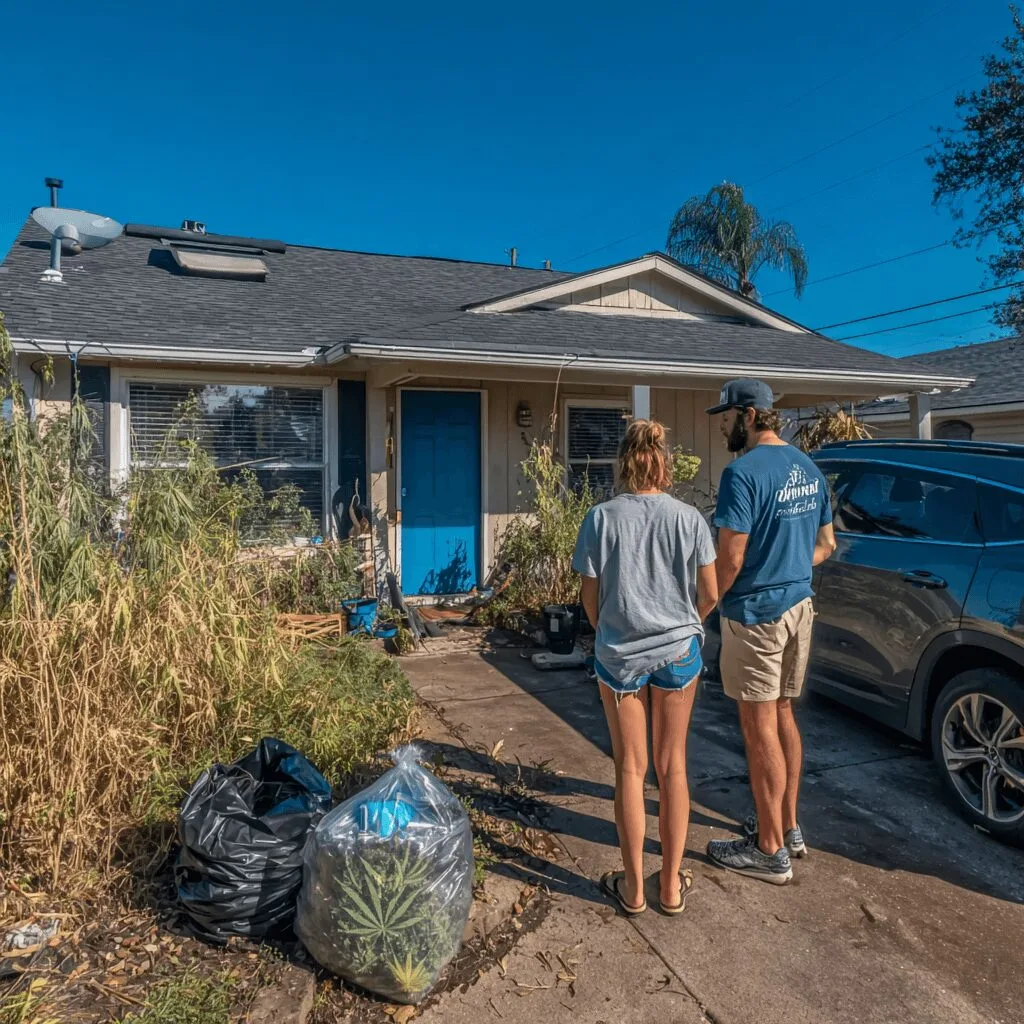
Here’s where things get personal, and weird. In late May, a Houston couple discovered a cannabis dispensary Google listing was displayed at their private address, according to local news reports. The home, described as tidy and family-oriented, was suddenly popping up as the go-to spot for cannabis. Imagine their confusion when strangers began showing up or calling for curbside pickup! The couple flagged the issue immediately, but the listing—which referenced “Houston Green Care Dispensary”—continued to appear. Texas law makes it crystal clear: operating or advertising a recreational cannabis business is illegal (Texas Department of Public Safety). In states where marijuana laws are rapidly changing, such as recent shifts impacting communities in South Lake Tahoe, evolving rules can create extra confusion and risk for both residents and operators who must stay on top of the latest legal updates. The couple, with no connection to cannabis, dealt with a cascade of unwanted attention. After repeated complaints, some platforms—like Google—removed the listing, but not before it created reputational risk and distress for the homeowners. Legal experts told news outlets that such mismatches are rare but can trigger both privacy violations and accidental code enforcement investigations. This situation puts intense pressure on platforms to verify listings and protect both legitimate cannabis operations and private citizens.
Expert Analysis: The Real Risks and Lessons of a Cannabis Dispensary Google Listing
Let’s get real, this isn’t just a funny mix-up for internet memes. The integrity of a cannabis dispensary Google listing is vital for medical patients, legitimate operators, and the next wave of consumers. Mistaken listings can invite privacy nightmares for homeowners and undermine public trust in the industry. As MJBizDaily pointed out, “Digital trust is the new frontline for cannabis legitimacy.” Security experts say platforms must balance helping customers find real dispensaries while locking down on fraudulent or inaccurate submissions. According to legal analyst Amanda Cruz, “If platforms don’t rigorously verify cannabis locations, it undermines both privacy and business integrity.” For operators, being mistakenly linked to a random house not only exposes them to fines, but puts license applications in jeopardy. Looking beyond Texas, there are communities nationwide grappling with how rapid medical cannabis implementation is breaking barriers in everyday life and helping normalize access for those in need. For savvy advocates, this serves as a rallying cry for better digital standards, real-time verification tools, and stronger privacy education. In short, it’s a wake-up call: accurate online maps mean safer access, and fewer awkward knock-knock moments.
Looking Ahead: Reforming How Cannabis Dispensary Google Listings Shape the Industry
This episode is a speed bump, not a roadblock. The cannabis sector keeps maturing, and so must its digital footprint. In states where legalization is advancing, leaders now see the need for verified, transparent cannabis dispensary Google listing processes—a trend spotlighted by NORML and other reform organizations. Smart reforms can empower businesses, protect consumers, and ensure privacy for everyday citizens. The Houston incident makes clear: robust change is not just nice, it’s necessary. Amidst the hiccups, the future remains green. Better tech, smarter regulation, and increased public acceptance are all pushing us closer to a cannabis experience that’s both legit and respectful. As more states join the movement, expect cannabis dispensary Google listings to get sharper, fairer, and a whole lot less confusing. Stay tuned—the digital revolution in cannabis is just beginning.
Originally reported by: abc13.com