





Cannabidiol Antiseizure Interactions: Key Facts & Risks
Let’s be real, it feels like everyone is finally talking about the intersection of cannabis and epilepsy medication. Cannabidiol antiseizure interactions are making headlines, especially as more patients seek alternative treatments and physicians scramble to keep up with emerging science. With new evidence dropping—like that fresh PubMed article at PubMed—it’s crucial for anyone interested in health or cannabis to understand how CBD mixes with traditional antiseizure meds. This isn’t just trending among cannabis insiders; legal regulations and patient safety demand it. If you’re a patient or a budtender fielding these questions daily, this article unpacks what matters most about cannabidiol antiseizure interactions: real risks, potential advantages, and what the future might hold.
Background: Why Cannabidiol Antiseizure Interactions Matter in 2024
The buzz around cannabidiol isn’t new, what’s fresh is its real-world crossover into mainstream epilepsy care. The 2018 FDA approval of Epidiolex, a purified cannabidiol product, officially opened the door for medical cannabis in the U.S. according to FDA press releases. However, the regulatory tangle is far from simple. In 2024, cannabis remains federally illegal, even while dozens of states have medical or adult-use programs and patients rely on both plant-based and pharmaceutical CBD. These patchwork laws have caused businesses to adapt quickly to sudden market shifts, similar to the business impacts seen in recent Missouri cannabis license revocation news. Social momentum favors cannabis, but physicians still navigate insurance challenges, unstandardized dosing, and varied local regulations. The industry is evolving, with millions invested in rare-disease trials and mainstream brands pushing full-spectrum tinctures. Against this backdrop, cannabidiol antiseizure interactions—how CBD interacts with classic anticonvulsants—are critical topics for clinicians, patients, and industry professionals.
Major groups like the International League Against Epilepsy and Epilepsy Foundation now recommend deeper physician-patient conversations about these interactions, since a bad mix could mean uncontrolled seizures or dangerous side effects.
Key Developments: What We Now Know About Cannabidiol Antiseizure Interactions
Cutting-edge research, including a PubMed article, reveals that cannabidiol antiseizure interactions aren’t just theoretical—they’re happening in real patients. These studies highlight risks like increased blood levels of certain anticonvulsants (notably clobazam and valproate) when combined with CBD.
- For example, a 2023 review in The Lancet reported that roughly 30% of patients had significant interaction effects that required dose adjustments.
- Major medical centers found that patients with Dravet and Lennox-Gastaut syndromes, previously considered challenging to treat, experienced greater liver enzyme elevations and drowsiness when taking both CBD and their antiseizure medications.
- Pharmaceutical companies like GW Pharmaceuticals (makers of Epidiolex) are updating prescriber information materials, highlighting the need for careful monitoring as more patients blend cannabis-based therapies with standard prescriptions.
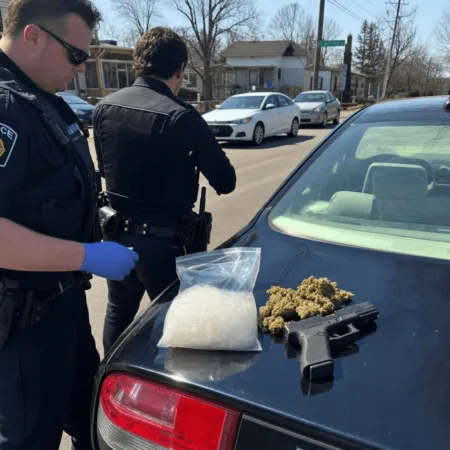
Even the FDA and National Institute of Neurological Disorders and Stroke have issued official guidance stressing where caution is needed—and made it clear these are now mainstream issues. As clinical trials expand, recent news such as the recent felony drug arrest investigation impacting community understanding of drug legislation reminds us that legal and medical contexts around cannabinoids are evolving. Reports from JAMA Neurology and leading epilepsy centers continue to document both the risks and the groundbreaking potential of cannabidiol antiseizure interactions.
Expert Analysis: Real-World Risks, Industry Trends & The Pro-Cannabis Take
Let’s talk real-life impact. For families navigating epilepsy, cannabidiol antiseizure interactions are both a ray of hope and a word of caution. Increasing CBD use in epilepsy care could help more patients manage symptoms with fewer pharmaceuticals—if these interactions are thoroughly understood and managed. Industry analysts, as discussed in MJBizDaily, believe this trend could reshape epilepsy care and expand access to plant-based options. However, if drug interactions go unmanaged, patients could face unexpected toxicity or increased risk of seizures, echoing the importance of clear cannabis use guidance highlighted in regional policies such as Maryland’s updated ignition interlock rules for drivers and cannabis users.
According to Dr. Orrin Devinsky, a prominent neurologist and lead author on several cannabidiol studies, “Physicians and patients need to be extremely mindful of these interactions. The science is evolving, so open communication is critical.” (Epilepsy Foundation). Many experts are calling for the development of universal guidelines, more clinical trials, and mandatory physician education to ensure that CBD is used safely with antiseizure medications.
On the advocacy side, this is more a call to innovate than to stop progress. As regulations catch up with the realities of cannabidiol antiseizure interactions, expectations are growing for clear product labeling, better pharmacist consultations at the point of sale, and evidence-based education from dispensaries. It’s a delicate balance of science, law, and community awareness.
Looking Ahead: Where Cannabidiol Antiseizure Interactions Take Us Next
Here’s where I get stoked: as research intensifies and society demands smarter, safer cannabis access, we’ll see bigger gains in epilepsy care and patient autonomy. Cannabidiol antiseizure interactions, now a mainstream discussion, are bringing us closer to medications tailored for unique bodies, not just averages. The cannabis industry is primed for responsible growth, with ongoing work by both scientists and advocates (see recent roundups on NORML and MJBizDaily).
As regulators and clinicians align, expect more robust, transparent labeling, personalized advice, and true patient-first progress. Sure, there will be bumps on the path. But with the cannabis world’s eyes wide open, a future of collaborative, evidence-based seizure care doesn’t just seem possible—it’s already forming. Stay tuned, stay informed, and keep challenging those old-school assumptions about what cannabis can do.
Originally reported by: pubmed.ncbi.nlm.nih.gov

1 Comment
Pingback: CBD metabolism antiseizure interactions: What You Must Know