



Why California Small Cannabis Farmers Are Struggling Now
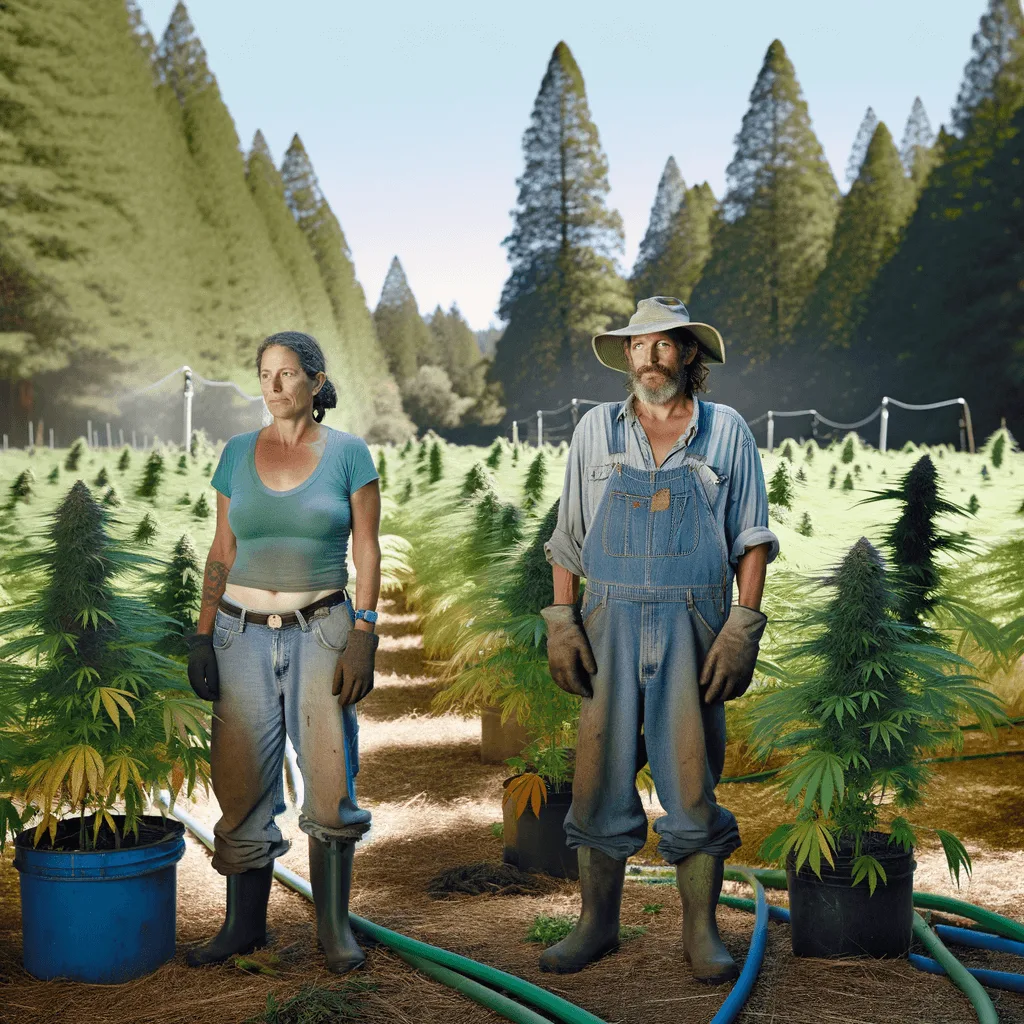
The journey of California small cannabis farmers has never been chill, but right now, they’re facing some of their biggest challenges yet. With the cannabis market’s rapid growth and shifting regulations, these legacy cultivators are being squeezed by high costs, steep competition, and lingering legal headaches. Why does this matter now? Because the fate of California small cannabis farmers reflects the future of craft cannabis everywhere—if they can’t survive, we’re left with bland, corporate weed and a lost culture that literally planted the seeds for legalization. Let’s dig in: why are small growers getting squeezed, what’s really happening on the ground, and is there still hope for survival?
The Deep Roots: Regulatory, Legal, and Market Background
For decades, California small cannabis farmers were the pioneers, risking everything in the Emerald Triangle long before legal dispensaries became the norm. After California voted in adult-use legalization with Proposition 64 in 2016 (California Legislative Analyst’s Office), things were supposed to get easier for the little guy. But here’s the kicker, legalization brought a tidal wave of new fees, permits, and complex compliance rules that hit small growers hardest. A single cultivation permit can cost thousands upfront, and stack that with compliance fees, environmental reviews, and local taxes, it’s enough to harsh anyone’s mellow. Meanwhile, large corporate players have scooped up production licenses, taking advantage of loopholes and economies of scale. It’s David versus several Goliaths in a market where even legacy contributors often struggle to be recognized and valued, similar to the challenges seen when reflecting on key figures in cannabis advocacy, such as those whose contributions have shaped education and opportunity (read more).
On the market side, ever since adult-use sales launched in 2018, oversupply has crashed wholesale prices while operating costs have climbed higher than a seasoned trimmer on break. Socially, small farmers—many with multi-generational roots—have battled stigma, even while their own crops built the backbone of legal supply. Hemp Grower reports that this regulatory complexity and cost structure puts a unique burden on traditional cultivators, often leaving them unable to compete with massive grows funded by venture capital.
Latest Developments & Ongoing Struggles for Small Growers
Now, some harsh realities are setting in for California small cannabis farmers. Since legalization, at least half of the state’s small cannabis farms have shut down, according to recent estimates from California’s Department of Cannabis Control. Industry leaders point to a toxic mix of burdensome taxes, lack of meaningful enforcement against illegal market operators, and a volatile pricing structure where pounds that once fetched $1200 now barely scratch $300. Permitting delays are notorious, sometimes stretching so long that growers lose a full season, as reported by Leafly. While other states like South Dakota face their own unique enforcement actions and reform calls—including aggressive sting operations that have upended parts of their hemp sector (learn about industry pushback and hopes for reform), California’s small cultivators are also battling legislative and enforcement adversities.
Making matters stickier, small cultivators barely have shelf space in dispensaries thanks to vertical integration laws that favor a handful of massive players. Farmers like Tina Gordon of Moon Made Farms have gone public about how state-level excise and cultivation taxes push family-run farms to the brink. In 2022, state lawmakers offered some relief by cutting the cultivation tax (CalMatters), but most farmers say it’s not enough, especially with federal prohibition keeping banking and interstate commerce off-limits.
Let’s not forget the ongoing drought, increasing cost of water, and price-collapsing illicit market. The Golden State’s Office of Cannabis Policy found in 2023 that unlicensed operators still outnumber legal growers by at least two to one, making it extra tough for California small cannabis farmers to stay afloat (California Office of Cannabis Policy).
Expert Analysis: Interpretations and Pathways Forward
The core takeaway is clear—California small cannabis farmers are facing a perfect storm, but they’re not rolling over. As Amber Senter, co-founder of Supernova Women, puts it: “If we want equity, diversity, and real community benefit from this industry, there must be streamlined licensing, fair taxes, and direct market access for legacy growers” (Weedmaps). Looking at the bigger picture, these struggles mirror developments in other legal states, such as Oregon and Michigan, where corporate consolidation has progressively edged out smaller operators. According to MJBizDaily, California’s experience signals a need for regulatory overhaul that actually matches the realities on the ground, or else we risk erasing the diverse genetics and hand-crafted product that made California famous in the first place. This delicate balance between compliance, survival, and market dominance can also be compared to high-profile enforcement actions elsewhere, like major raids on illicit grows in protected areas and the long-term ramifications for industry and policy (read what the raid really means).
It’s easy to play armchair critic, but here’s the honest truth: legal weed must work for everyone, not just billion-dollar investors. “The small cannabis farmer is a cultural asset, not just another license number,” said Amanda Reiman, PhD, of Flow Cannabis Co.. “Losing them means losing the soul of California cannabis.” And she isn’t wrong.
Future Outlook: Green Shoots and the Power of Community
So, will California small cannabis farmers survive? There’s no sugarcoating it—they’re fighting uphill. But there’s reason for hope: industry associations are pushing hard for direct-to-consumer sales and local tax reductions. Some counties, like Humboldt, have built support programs that spotlight local craft cannabis (Project Trellis), while momentum grows nationally for legalization that includes equity and craft protections.
The craft cannabis movement—rooted in sustainable, sun-grown farms—has never just been about business; it’s about community, resilience, and the pride of producing something genuine. As federal attitudes soften, with senators now openly calling for change (SAFE Banking Act), there’s optimism that old-school expertise and fresh activism will keep these legendary farmers in the game. After all, California small cannabis farmers built this industry. It’s only right they have a vibrant future in it, too.
Originally reported by: thenation.com