




California cannabis enforcement: Major crackdowns revealed
California cannabis enforcement is in the spotlight again, and things are getting a little wild out west. With a surge in illicit operations and legal dispensaries struggling to keep up, the Golden State’s authorities are intensifying their efforts to weed out the illegal market. In Q3 2025 alone, task forces have amped up actions, unveiling major crackdowns that could reshape the industry. If you’re curious about why enforcement is accelerating now, stick around—we’re diving deep into what triggered these bold moves, the legal backdrop, and what all this means for growers, sellers, and cannabis advocates alike.
Behind the Crackdown: Regulatory & Social Backdrop
So, why is California cannabis enforcement such a hot ticket right now? For one, the state’s legal cannabis market is massive, but it’s also battling a persistent shadow economy. According to MJBizDaily, California’s illicit cannabis market has historically dwarfed legal sales, putting billions at stake. Regulatory agencies have continuously updated laws since legalization in 2016, aiming to keep up with evolving market trends and consumer habits. Enforcement isn’t just about busting growers in the hills, it’s about leveling the playing field for licensed operators, ensuring fair tax collection per California’s Department of Tax and Fee Administration, and protecting consumers from untested, potentially harmful products. Social attitudes towards cannabis have definitely mellowed out, but the rise in large-scale illegal grows (often funded by organized crime) keeps regulators on their toes. Add drought conditions, environmental impact concerns, and political pushback from local communities, enforcement quickly turns into a complex, never-ending chess game. In states like New Hampshire, similar tensions are reflected as lawmakers debate major legislation—see how other states weigh their regulatory challenges in this update on New Hampshire’s cannabis legislation.
What Happened? Key Developments in California Cannabis Enforcement
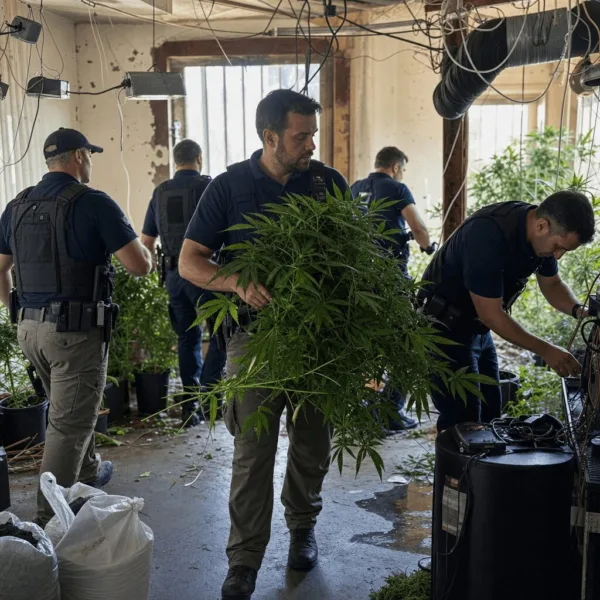
Let’s get into the nitty-gritty. In Q3 2025, California’s multi-agency Cannabis Task Force carried out one of its largest busts to date. Over $222 million worth of illegal cannabis was seized and eradicated, as highlighted by the California Governor’s Office of Emergency Services. These coordinated sweeps spanned several rural counties, focusing on massive outdoor grows, makeshift greenhouses, and clandestine processing operations. Teams from the California Department of Fish and Wildlife, state Highway Patrol, and local sheriff’s offices participated, executing warrants, uprooting plants, and confiscating sophisticated irrigation setups along the way. According to law enforcement press releases, these illegal sites often bypass environmental rules, diverting water from drought-stressed rivers and leaching unapproved chemicals into delicate ecosystems (New York Times). The crackdown aligns with the state’s multi-year effort outlined in the Medicinal and Adult-Use Cannabis Regulation and Safety Act (MAUCRSA), enforced jointly by agencies dedicated to tackling environmental and financial crimes. These actions are similar to wider sustainability debates as seen in the growth and regulation of other expanding cannabis markets. It’s not just about removing plants, authorities are looking to dismantle supply chains, freeze assets, and use civil penalties to hit rogue operators where it really hurts, their wallets.
Expert Insights: What This Means for the Cannabis Industry
Let’s step back and light up some context. These latest efforts show that California cannabis enforcement isn’t letting up, but is this bust a game changer or just another round in a long-term saga? Industry analysts, like Leafly News, emphasize that every major crackdown temporarily shrinks illicit supply, but the underlying economics remain tricky. California’s cannabis veteran Amanda Reiman, PhD, told Marijuana Moment, “Real reform will come not from eradication, but from continuing to adjust licensing, taxation, and consumer access. Trying to farm out all the bad actors only works if you make legal market participation truly viable.” Enforcement does ramp up safety, especially by eliminating contaminated product. However, unless the regulatory structure adapts, enforcement alone can’t fully stamp out the shadow market. As noted by the Drug Policy Alliance, aggressive enforcement has a track record of driving innovation, sometimes nudging creative solutions and smarter compliance tech. This ongoing tension between policy, enforcement, and innovation is further seen as new digital health platforms change the face of cannabis patient care, reflecting trends detailed in how technology is influencing patient experience in cannabis. From the advocates’ side, these events remind us that the balance between regulation and market freedom is still a work in progress.
The Road Ahead: California’s Cannabis Future
Looking forward, expect California cannabis enforcement to stay in the news as the state fine-tunes its approach. Legislative tweaks and smarter collaboration between agencies could help protect legal players and safeguard public health—without returning to prohibition-era mentalities. The big positive? Every crackdown is a reminder that the legal industry is growing up, learning to adapt, and earning broader social acceptance. As reported by the National Organization for the Reform of Marijuana Laws (NORML), record legal sales and shifting political winds suggest the state’s cannabis sector is in it for the long haul. For now, the best thing for the movement is to keep it informed, stay active in policy discussions, and keep supporting reforms that make legal cannabis stronger, safer, and more chill every year.
Originally reported by: news.caloes.ca.gov


