


Burning Man Medical Debt: The Hidden Cost Shocking Attendees
If you thought Burning Man was just about desert parties and wild art, think again. Recently, there’s been a surge in conversations around Burning Man medical debt as attendees discover the festival’s unexpected financial risks. In a world where healthcare costs are already sky-high, the story of festival-goers facing mounting bills adds a whole new layer of reality to the celebration. From emergency helicopter rides to ER visits, the price of participation goes far beyond tickets and costumes. Let’s dig into why Burning Man medical debt is making headlines right now—and what it means for the cannabis community and beyond.
The Real Cost of Burning Man: Social and Regulatory Context
Burning Man’s reputation as a playground for free spirits masks some sobering realities. Out in the Black Rock Desert, the lack of infrastructure exposes attendees to real risks. The festival operates independently, but health care doesn’t. As NPR reports, when things go sideways, medical helicopters and regional hospitals step in, delivering care at big-city prices. U.S. healthcare regulations require hospitals to treat anyone in an emergency (thanks to the Emergency Medical Treatment and Labor Act), but that treatment is rarely free. Insurers often consider festival injuries ‘out of network,’ leaving folks to foot massive bills. This regulatory web leaves many facing unexpected, and mostly preventable, Burning Man medical debt. Recent developments, such as debates over drug policy and cannabis reform sparked by significant arrests and policy shifts in states like Indiana, further highlight the continuing clash between festival culture and broader regulatory trends.
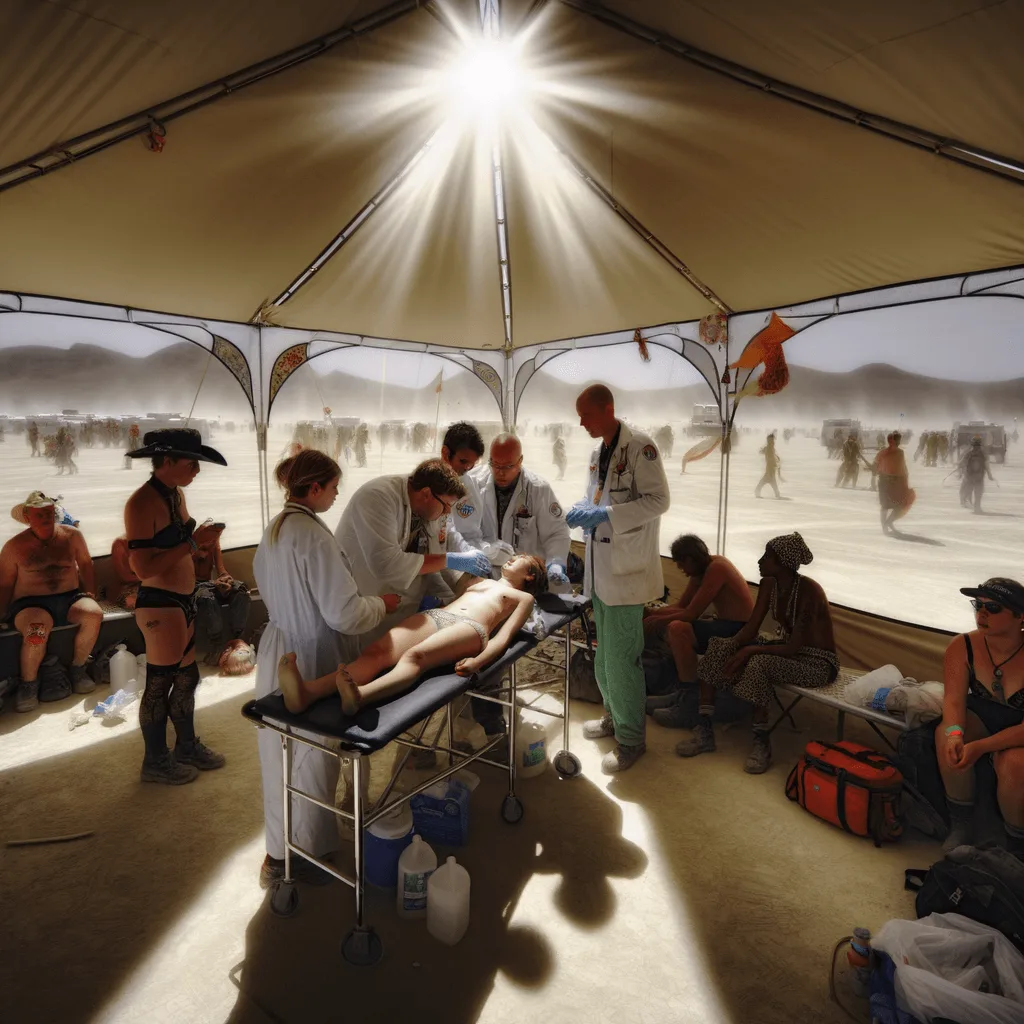
Energy, culture, and cannabis mix freely at the event, but the law still reigns supreme. While Nevada has legalized adult-use cannabis, federal law overrides at Burning Man, which sits on U.S. Bureau of Land Management territory. This tension adds complexity: medical responders can’t operate as freely as at a music festival in Las Vegas. Mix in festival culture’s DIY attitude and the health hazards of remote living, and the stage is set for both innovation and risk. According to STAT News, makeshift clinics exist, but more serious cases are airlifted, at sometimes astronomical cost.
How Burning Man Medical Debt Spiraled: Key Developments & Financial Toll
This year, about 80,000 people flocked to Black Rock City for Burning Man, eager to unplug and get weird. But according to recent reports, a surprisingly high number ended up with urgent health issues. From sprained ankles and dehydration to broken bones and even puncture wounds, festival injuries aren’t rare. The on-site medical tents can patch up a scraped knee, but not a serious break or high fever. For those, the only option is a medevac flight or emergency room transfer, services that start at several thousand dollars and climb from there.
SFGATE, an established local news outlet, revealed that one simple trip to Renown Regional Medical Center in Reno can land patients with $7,000+ in bills. Helicopter extractions, which happen more often than you’d guess, routinely rack up charges between $40,000 and $80,000. Many attendees learn the hard way that their normal insurance might not cover such events, or treats any care as ‘out of network.’ As the SFGATE article points out, participants who leave with Burning Man medical debt face years or even decades of financial strain. Even the gentlest trip can become a nightmare when the bill arrives. In other legal developments, the recent shake-up of Michigan’s marijuana company licensing has left many questioning what comes next for cannabis-related healthcare and patient protections, echoing the unpredictable outcomes seen at large events like Burning Man.
Various companies are entangled in these events. Regional Health Services and AirMedCare, who supply the vital emergency transport, do what’s necessary, but costs reflect tough terrain and private contracts. Meanwhile, the BLM and local hospitals shoulder the regulatory, logistical, and financial burdens.
Expert Analysis, Community Fallout & Cannabis Culture Counterpoints
Burning Man is about radical self-reliance, but when medical emergencies strike, festival-goers find themselves at the mercy of a fragmented system. For those living the high life, sometimes literally, the risk isn’t just a wicked sunburn. It’s a trip to the ER followed by relentless medical bills back in the real world.
Some industry voices, like cannabis policy advocate Amanda Reiman (cited in MERRY JANE), put it this way: “We celebrate freedom, but we can’t ignore the costs of navigating medical emergencies in a broken health system.” She’s got a point, Burning Man is a crucible for innovative thinking, but it’s also a microcosm of how U.S. healthcare leaves folks most vulnerable when they’re least prepared. Notably, as experts continue analyzing the broader neuropsychological effects of cannabinoids and the ways CBD could transform mental health, the transformative potential of CBD as a mental health tool is being studied as a way to offer new kinds of relief for both festival-goers and everyday patients.
This resonates throughout the cannabis community, where mutual aid and collective care are core values. Advocates point out that cannabis can offer harm reduction, as shown by JAMA, but policy restrictions still hamper full integration into medical response at large gatherings. Insurance reforms, better education, and event-specific coverage could help prevent Burning Man medical debt from wrecking wallets and lives.
While it’s easy to joke about Burners trading granola for hospital bills, it’s a grim punchline reflecting systemic gaps. Making healthcare more accessible and cannabis-friendly could lighten everyone’s load, no pun intended.
Looking Ahead: Burning Man, Medical Debt, and the Cannabis Industry
The Burning Man medical debt issue is a wake-up call for festivals, policymakers, and everyone who dreams of mixing art, music, and a little herbal relaxation in the desert. As cannabis legalization gains steam nationwide—already approved for adult use in 24 states, per NORML—the festival scene is at a crossroads. Regulators and event organizers must collaborate to create safer, smarter frameworks for emergency care. Creative solutions, such as harm reduction programs and accessible medical insurance, could help people dance into the sunrise without fearing financial ruin.
Ultimately, cannabis culture teaches us to look out for our communities, create safety nets, and push for positive change. Burning Man’s challenges are real, but they also offer a chance for transformation. Here’s to a future where radical self-reliance—and a little cannabis camaraderie—protect both body and bank account.
Originally reported by: sfgate.com