


Indiana Meth Bust Arrests: Shocking Details Revealed
Whoa, folks—if you thought the war on drugs was cooling off, the recent Indiana meth bust arrests are here to prove otherwise. As headlines light up with tales of raids, clandestine labs, and undercover ops, these arrests put Indiana’s approach to controlled substances under a blazing spotlight. Why does this matter? Well, whether you’re into hemp, CBD, or just keeping tabs on state policies, this bust is a huge deal for how Indiana handles drug-related crimes. We’re breaking down what went down, why it’s heating up policy debates, and how it could shape the future of both law enforcement and cannabis regulation. Ready for some real talk?
Understanding the Backdrop: Indiana’s Drug Laws, Enforcement Trends, and Public Sentiment
Indiana’s tough-as-nails stance on narcotics stems from a long, tangled history of drug criminalization. Methamphetamine, in particular, has haunted the Midwest for decades, driving policymakers to crank up penalties and resource allocation for meth task forces. State regulations, including the Indiana Code on Controlled Substances, bring the hammer down hard on possession, trafficking, and distribution. Socially, many Hoosiers have voiced frustration with rising drug issues, pushing for solutions that are a far cry from the way cannabis laws are slowly warming up across the country. According to the Indiana Judicial Branch, meth-related arrests slide into the top tier of narcotics busts year after year, outpacing most other substances except, of course, for cannabis out West. Meanwhile, regional communities and civic groups demand more effective, holistic solutions, including discussions that resonate nationally as seen in cases like the debate over outdated marijuana laws brought up by ICE detention cases in Massachusetts. Against this backdrop, the Indiana meth bust arrests shed light on persistent public safety concerns, ongoing opioid fallout, and shifting attitudes towards non-violent cannabis offenses.
Major Highlights: The Indiana Meth Bust Arrests and What Actually Went Down
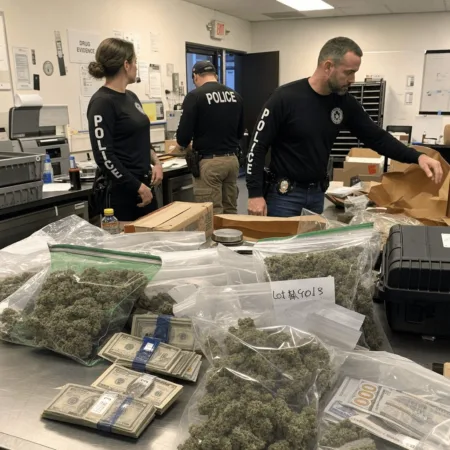
Let’s get into the weeds, pun intended, about what really happened. According to details initially reported by WHAS11 and confirmed by official legal filings, five people were arrested this June as part of a months-long drug investigation in Spencer County. Law enforcement, including the Spencer County Sheriff’s Office and Indiana State Police, carried out the operation as part of a coordinated crackdown on alleged large-scale meth distribution. The investigation reportedly involved surveillance, controlled buys, and multiple search warrants executed across several properties. Authorities seized “substantial quantities” of meth, along with related paraphernalia and firearms. Court documents specify that charges range from felony possession with intent to distribute to maintaining a common nuisance, heavy stuff under the Indiana Drug Code. The deputy prosecutor told local news that these arrests are just one phase in “an ongoing effort to dismantle meth supply chains threatening Spencer County.” This isn’t Indiana’s first time in the spotlight, either, as states periodically make headlines after cannabis cash busts, such as the shocking Bloomington seizure that changed the law enforcement conversation in Indiana. The aftermath? Not just headlines, but renewed calls for stricter law enforcement and drug prevention measures, especially regarding the Indiana meth bust arrests.
Dissecting the Fallout: Expert Insights, Policy Risks, and the Real Cannabis Conversation
So, what’s the real play here? Industry experts and policy heads agree, these headline-grabbing Indiana meth bust arrests highlight two diverging paths. On one hand, Indiana’s response is all gas, no brakes, reinforcing old-school drug war tactics. But, according to cannabis thought leaders, it also exposes glaring inconsistencies in controlled substance policy. “We’re cracking down on meth, but meanwhile, a non-violent cannabis charge can still upend someone’s life in Indiana. It’s high time we rethink priorities,”
says longtime advocate and NORML director Erik Altieri. The cannabis industry itself is flourishing just across state lines, with places like Illinois and Michigan raking in tax revenue from legal recreational sales—while Indiana clings to prohibition-era laws. Experts from MJBizDaily note how cannabis reforms are linked to lower opioid overdose and meth usage rates, which resonates with what’s unfolding nationally, for example in neighboring states where surprising shifts in marijuana law are stirring up broader cannabis conversations. Pointedly, the contrast between punitive meth busts and evolving cannabis acceptance exposes how the criminal justice system desperately needs calibration, not just brute enforcement. It’s a reminder that enforcing the same-old policies isn’t always a win for public safety or community healing.
Legal circles are also taking notice. The Brookings Institution argues that modernizing drug policy, especially cannabis law, could help states like Indiana redirect resources toward rehabilitation and prevention efforts, not just jail time. With more voices calling for smart, compassionate approaches, the Indiana meth bust arrests could spark overdue changes in how Hoosiers view all controlled substances.
The Road Ahead: A Brighter Outlook for Sensible Drug Policy and Cannabis Reform
In the wake of the latest Indiana meth bust arrests, there’s plenty to unpack—and even more to hope for. While the state’s meth crisis is serious, it shines a light on the urgent need for fresh policy ideas. The cannabis industry, with its proven benefits and lower social harms, stands out as a model for sensible reform. According to industry forecasts from New Frontier Data, states that embrace measured cannabis legalization see boosted economies and healthier communities—a goal Indiana shouldn’t shrug off. As lawmakers weigh their next moves, advocates are pushing for more nuanced strategies: harm reduction, public education, and a modern approach to both cannabis and hard drugs. The hope? Smarter drug enforcement, deeper social acceptance, and a more balanced playing field for both public safety and patient rights. Stay tuned, because the momentum toward positive change is just getting started.
Originally reported by: whas11.com